If you have ever poured yourself a glass of water in Tallahassee Florida and wondered why it tastes a little off or leaves spots on your glassware, you are not alone. Water quality concerns affect families and businesses across the region, shaping everything from appliance longevity to personal comfort. Digging into the heart of these concerns, two solutions commonly come up: water softeners and water filters. At first glance, they might seem interchangeable, but in reality, they address distinct water quality issues and serve different needs. Understanding the difference is the first step toward seeing that you have the right water solution for your home or business in Tallahassee or nearby areas such as Woodville Florida.
Water softeners and filters both aim to improve water, but their methods and purposes are worlds apart. Water softeners specifically target hard water, which contains high concentrations of calcium and magnesium. These minerals do not pose a direct health risk, but they wreak havoc on plumbing, cause unsightly stains, leave buildup on fixtures, and can shorten the life of appliances. In Tallahassee and throughout much of Florida, hard water is a recurring issue due to the region's geology.
On the other hand, water filters take on a much wider variety of contaminants including chlorine, bacteria, sediment, and sometimes even heavy metals or chemicals. The type of filter you choose depends on what you need to remove from your water supply. This distinction is critical: while a water softener will handle that stubborn limescale on your shower door, it will not eliminate the musty smell caused by decaying organic matter in your well. For that, you will need a filter.
The decision is not always one or the other. Many homes and businesses in Tallahassee Florida rely on a combination of water softening service and filtration solutions to achieve the safest, best-tasting water possible. This comprehensive approach not only preserves the condition of pipes and appliances but also provides the health and satisfaction of everyone who turns on the tap.
As we further explore the world of water softeners and filters, we will break down the science behind each system, examine their pros and cons, and look at how they impact different sectors across Tallahassee and neighboring areas like Woodville. Whether you are a homeowner frustrated by soap scum or a business manager worried about waterborne bacteria, this guide is tailored to help you make an informed choice about your water softening service.
What Are Water Softeners?
Water softeners are specialized devices designed to tackle one specific problem: hard water. Hard water contains elevated levels of calcium and magnesium ions, two minerals that are not dangerous, but are notorious for causing trouble around the house. If you have ever noticed your soap does not lather well or your dishwasher leaves glasses with a cloudy film, hard water is likely to blame.
How Do Water Softeners Work?
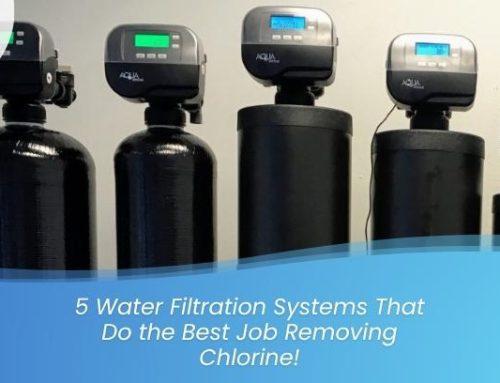
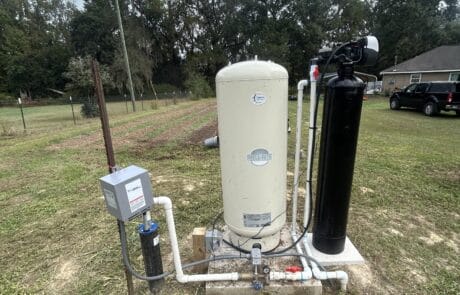
Most home water softeners use an ion exchange process. In simple terms, water flows through a tank filled with resin beads that attract and trap calcium and magnesium ions, replacing them with sodium or potassium ions. The softened water that emerges is gentler on pipes, appliances, and your skin.
Why Is Hard Water Such a Problem in Tallahassee and Woodville Florida?
The geology of northern Florida means that well water often carries a hefty load of minerals picked up as it flows through underground limestone. That is why residents in Tallahassee and Woodville regularly turn to water softening services as an essential part of home maintenance and comfort.
Benefits of Using Water Softeners
- Protect Your Home's Infrastructure: Hard water causes scale buildup, which can clog pipes, reduce appliance efficiency, and increase energy bills. Softeners help prevent these costly issues.
- Better Cleaning: Softer water means more suds, cleaner dishes, and spot-free fixtures - no more scrubbing away limescale.
- Longer Appliance Serviceable Life: Water heaters, dishwashers, and washing machines last longer with soft water running through them.
- Gentler on Skin and Hair: Many people find that soft water feels silkier and is less likely to cause dryness or irritation.
Limitations of Water Softeners
While water softeners excel at removing minerals, they cannot filter out sediment, bacteria, chlorine, or chemicals. That is where water filters come into play, addressing a different set of water quality concerns.
What Are Water Filters?
Unlike water softeners, water filters come in a host of varieties and each is designed to remove specific contaminants from your water. Their purpose ranges from improving the taste of city tap water to seeing that well water is free of harmful bacteria and chemicals.
Types of Water Filters
- Sediment Filters: These catch dirt, silt, and rust, improving clarity and protecting downstream equipment, including water softeners.
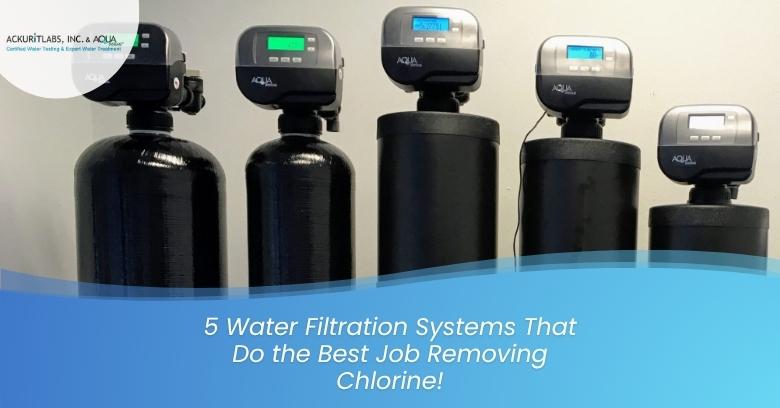
- Carbon Filters: Excellent at removing chlorine, odors, and organic compounds that affect taste and smell.
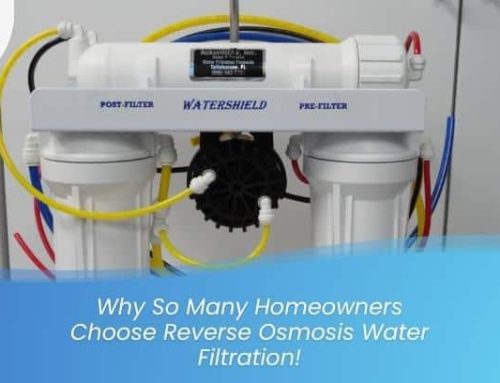
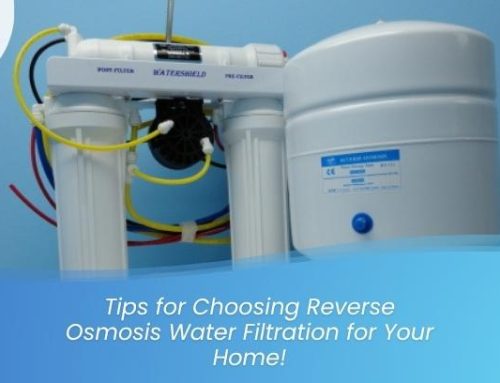
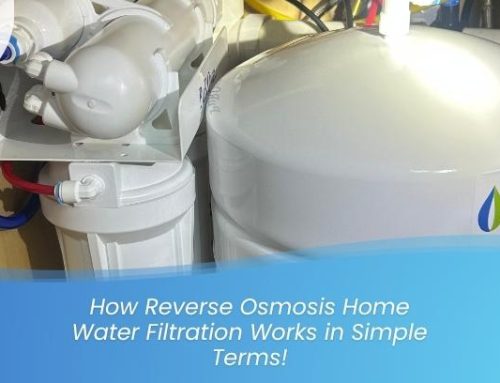
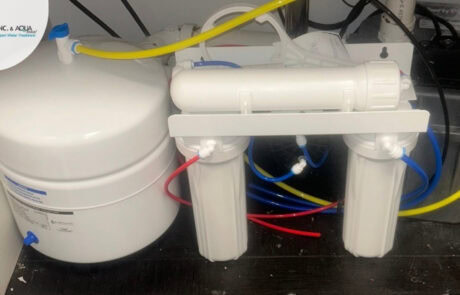
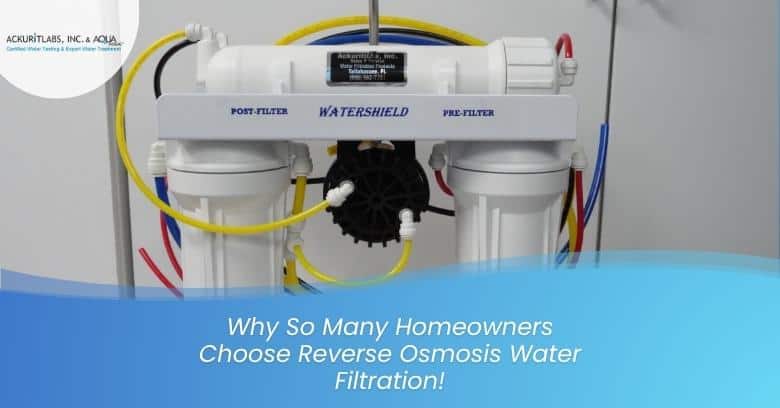
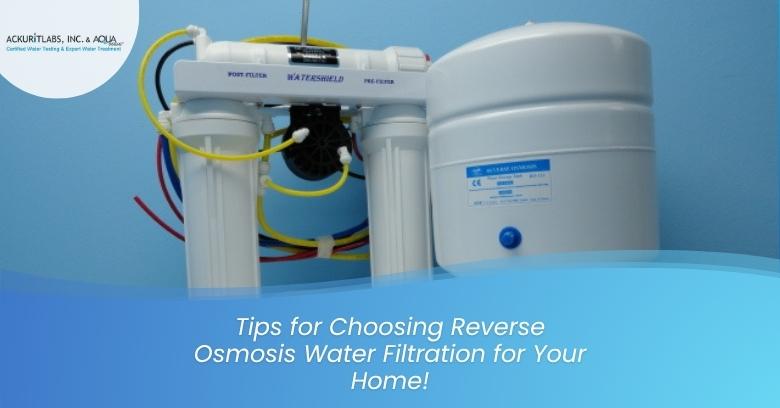
- Reverse Osmosis Systems: Highly effective at removing a wide array of contaminants, including heavy metals, nitrates, and some bacteria.
- UV Filters: Used to disinfect water by destroying bacteria and viruses without chemicals.
The Role of Filters in Tallahassee and Woodville
Municipal water in Tallahassee is typically treated, yet may still contain trace amounts of chlorine, organic matter, or byproducts from aging pipes. Rural areas around Woodville that draw water from wells might face sediment, a sulfur odor, iron, or even dangerous microorganisms. In both cases, water filters become vital for protecting health and having great-tasting water.
Pros and Cons of Water Filters
Pros:
- Remove a wide range of contaminants, including those that softeners cannot touch.
- Improve the taste, odor, and color of water.
- Essential for having safe drinking water, especially with well sources.
Cons:
- Does not address hard water mineral content or prevent scale buildup.
- Require periodic maintenance and filter replacement.
- Some systems, like reverse osmosis, may waste several gallons of water for every gallon filtered.
Water Softener vs Water Filter: When Each Is Needed
Understanding when you need a water softener, a water filter, or both depends on what is in your water. For example:
- If your biggest complaints are spots, scale, and/or soap scum, a water softener is your best bet.
- If you are concerned about taste, chlorine, or health risks from bacteria, turn to a water filter.
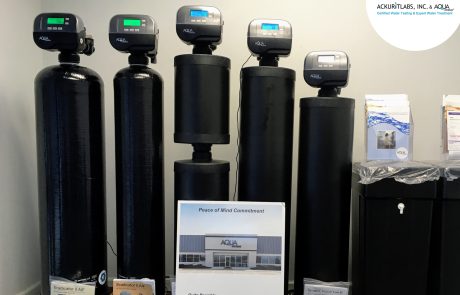
- If you have both hard water and other contaminants, combine a water softener with the right filtration system.
Many reliable water softening service providers in Tallahassee Florida offer water testing to analyze your water supply and recommend the right combination of treatments. Some companies even offer all-in-one systems that soften and filter in tandem for maximum water quality.
Choosing the Right Water Solution for Tallahassee and Woodville
The unique water qualities in Tallahassee and Woodville Florida make local knowledge invaluable. A company familiar with regional water conditions can guide you towards the best system, considering:
- Source of Water: Well water often needs both softening and advanced filtration.
- Contaminants Present: Each water supply is different. Comprehensive testing is the key first step.
- Household Needs: Drinking, cooking, bathing, laundry all benefit differently from water treatment products.
- Budget and Maintenance Preferences: Some people prefer low-maintenance salt-free softeners or under-sink filters; others opt for whole-house solutions.
No matter which system you choose, regular service and filter changes are crucial for keeping your equipment running smoothly and your water at its best.
Implications for Residential and Business Sectors
- For Homeowners: Implementing water softeners and filters can lead to immediate improvements in daily life, from shinier hair to longer-lasting towels. Water softening services in Tallahassee are recognized for extending appliance serviceable lives and reducing cleaning time, saving families money in the long run. Meanwhile, filters can make water safe for the youngest and oldest family members, offering peace of mind every time you fill a glass.
- For Businesses: Restaurants, hotels, and healthcare providers in Tallahassee and Woodville rely on water quality, not just for taste but to uphold sanitation standards. Hard water can leave equipment stained, reduce heating efficiency, and escalate detergent costs. Contaminants such as sediment or bacteria, if left unchecked, can lead to costly health violations or reputational damage.
By partnering with a reliable water softening service, local businesses gain access to tailored solutions that keep their operations running smoothly, ensure compliance, and elevate customer satisfaction.
The Growing Importance of Water Quality in Florida
Florida's expanding population and aging infrastructure put extra strain on municipal water sources. Climate change and periodic droughts only add to water quality concerns, making proactive water treatment more than a nice-to-have as it is becoming a necessity. In both Tallahassee and Woodville, advanced water softeners and filtration systems equip households and businesses to adapt to evolving water challenges.
Professional water softening services not only install and maintain your system, they offer regular testing, expert advice, and prompt solutions tailored to the shifting landscape of Florida's water supply.
Conclusion
Navigating the world of water softeners and filters does not have to be confusing. Though both aim to deliver better water, they target fundamentally different problems. Water softeners fight hard water, protecting your pipes and appliances from damaging minerals. Water filters go after a broader range of contaminants, from chlorine and sediment to harmful bacteria and more. Both are vital for different reasons and in many cases, work best when used together.
In places like Tallahassee and Woodville Florida where water quality can vary dramatically from one neighborhood to the next, the right combination is essential for safeguarding your home's infrastructure, prolonging appliance serviceable life, and confirming health and satisfaction for every tap in your home or business. If you are dealing with chalky residue, odd tastes, or concerns about your family's health, do not hesitate to reach out to a professional water softening service. They can test your water, explain your options, and help you enjoy the best water possible, whether you are in Tallahassee, Woodville, or anywhere in between.
Ready to take the next step? Contact a local water softening service expert to schedule your water test today and discover the transformative benefits of high-quality water softeners and filters for your property!
Key Takeaways
- Water Softeners Tackle Hard Water Issues: Water softeners are designed to remove excess calcium and magnesium from your water, preventing limescale buildup, reducing appliance maintenance, and providing cleaner laundry and plumbing.
- Water Filters Remove a Range of Contaminants: Unlike softeners, water filters address issues such as sediment, chlorine, bacteria, and other potentially harmful substances, enhancing taste and safety.
- Most Homes in and Around Tallahassee Florida, Need Both Systems: Due to the region's hard water and possible organic or chemical contaminants, homeowners in Tallahassee and Woodville often benefit from combining water softening service with robust filtration.
- Regular Maintenance Is Key: Both systems require ongoing care such as resin replacement for softeners and filter changes for filtration units to continue performing optimally.
- Professional Water Testing Is the First Step: The only way to determine your specific water challenges is to have your supply professionally tested. Local specialists in Tallahassee and Woodville can diagnose your needs and tailor a solution.
- Protects Home Value and Health: High-quality water not only enhances your enjoyment but also preserves your property's value and supports the health of everyone who uses it.
- Businesses and Homes Alike Depend on Water Quality: From spotless dishware in restaurants to compliant sanitation in healthcare, proper water softening and filtration are crucial for smooth, safe operations.
- Modern Solutions Are More Efficient Than Ever: Today's water softeners and filters use less salt, waste less water, and often combine multiple technologies into one unit for maximum efficiency.
- Customization Is Vital: Every property's water source is unique. Tailored recommendations from a respected water softening service means you will not overpay for features you do not need or leave contaminants untreated.
- Peace of Mind Comes Standard: With the right system in place, you can relax, knowing that every drop from your tap is safeguarding your family, staff, or customers.
FAQs
1. What is the main difference between a water softener and a water filter?
A water softener addresses hard water by removing excess calcium and magnesium minerals, preventing scale buildup. On the other hand, a water filter removes a broader range of contaminants including chlorine, sediment, bacteria, and organic matter to enhance water taste, odor, and safety.
2. Do I need a water softener or a water filter in Tallahassee or Woodville Florida?
Most homes in Tallahassee& Florida and surrounding communities can benefit from both a water softener and a filter due to the area's typical hard water and potential contaminants such as chlorine and sediment. Water testing by a professional water softening service is recommended to determine your exact needs.
3. How do I know if I have hard water?
Signs of hard water include chalky white buildup on fixtures, soap scum in sinks and tubs, dull laundry, and reduced water heater efficiency. If you notice these symptoms in Tallahassee or Woodville, you likely need a water softener.
4. Are water softeners safe for drinking water?
Standard water softeners add a small amount of sodium or potassium to your water during the softening process, which is generally safe for most people. If you have health concerns, consult with your water softening service for alternative solutions.
5. How often should a water filter be changed?
Water filter replacement frequency depends on the type and model. Most need to be changed every 3 to 6 months, but some can last up to a year or longer. Regular changes are critical to maintain filtration effectiveness.
6. Can a water softener remove chlorine or bacteria?
No, water softeners only remove calcium and magnesium. To address chlorine, bacteria, or other contaminants, a water filter or combination system is necessary.
7. What kind of maintenance do water softeners require?
Water softeners need periodic refills of salt or potassium, occasional cleaning, and sometimes professional servicing to keep them running smoothly, especially in regions like Tallahassee Florida where hard water is prevalent.
8. What does a water softening service provide?
Professional water softening services offer testing, system installation, regular maintenance, and tailored advice suited to the specific water needs of your home or business in Tallahassee and Woodville.
9. Can I install both a water softener and a filter in my home?
Yes, many Tallahassee and Woodville homeowners use a dual approach of a softener for mineral removal and filter for comprehensive contaminant protection for optimal water quality.
10. Is it expensive to maintain water softeners and filters?
Costs vary by system and usage, but maintenance is generally affordable, especially compared to the expense of repairing limescale-damaged plumbing or the cost of waterborne illnesses from untreated water.