Shopping for Residential Water Filtration for a Property in Gadsden County Florida?
Equipment gets chosen to fix a measured problem, and the fix is only as good as the diagnosis behind it; the sections below put the options in plain language.
Call Ackuritlabs And Aqua Systems at 850-616-2634 to ask which questions come before any equipment.
The Step Ahead of the Purchase: Naming the Target
Taste and appearance narrow the field, though only a lab report settles it; most reputable providers ask for results before quoting a system. Anyone without a recent report can usually be pointed to a suitable panel first; patience at this stage tends to save money later.
Taking Out Hardness – What It Fixes and What It Leaves
The beads in a softener hold hardness minerals until they are rinsed clean, and the stored brine is topped up with salt as needed. Softened supply leaves less scale on fixtures, glass and heating elements; it is not meant to filter out bacteria or chemicals.
Scale Control Without Salt: What They Do and Do Not Do
These devices work on how scale sticks, and they do not strip the minerals out; people choose these devices to avoid salt, brine discharge and a drain connection. A conditioner will not give the slick feel that a softened supply has in the shower; asking for a plain description of the outcome avoids disappointment.
Taste and Odor Control: Matching Carbon to the Target
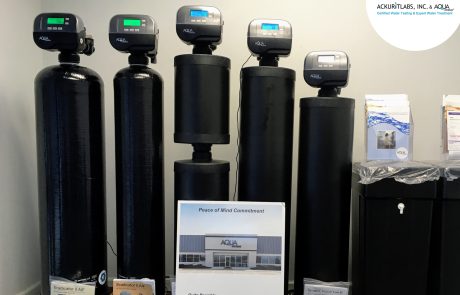
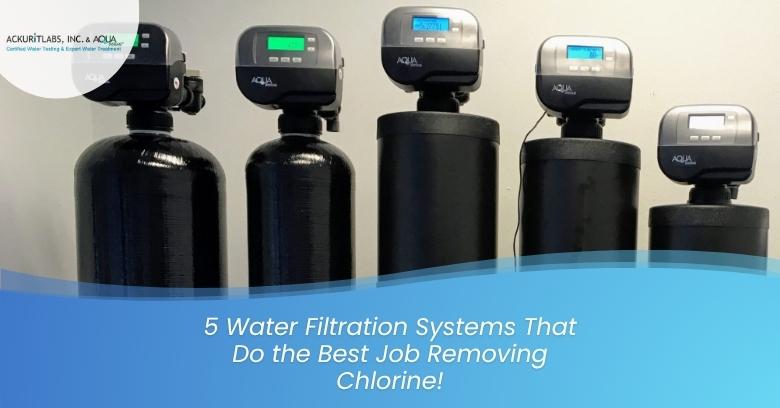
Carbon holds onto certain compounds as supply passes through, which cuts chlorine taste and some odors; a catalytic grade is often used where chloramine is the disinfectant. Capacity depends on how much is in the supply and how much a household uses, and the maker's change interval is a guide, not a promise.
Spun, Pleated and Wound Media – Why Order Matters
Sediment cartridges screen out sand, rust flakes and silt before they reach appliances, which lets each cartridge last longer. A carbon cartridge installed in the same housing style handles taste while the sediment unit handles grit; replacements are sold by size, so note the model.
Membrane Systems – Dissolved Solids Reduced
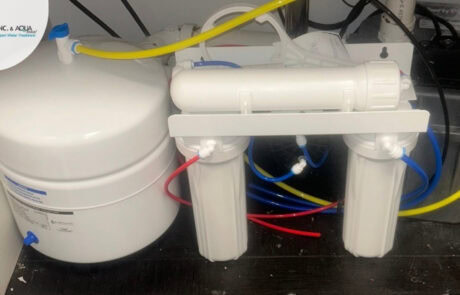
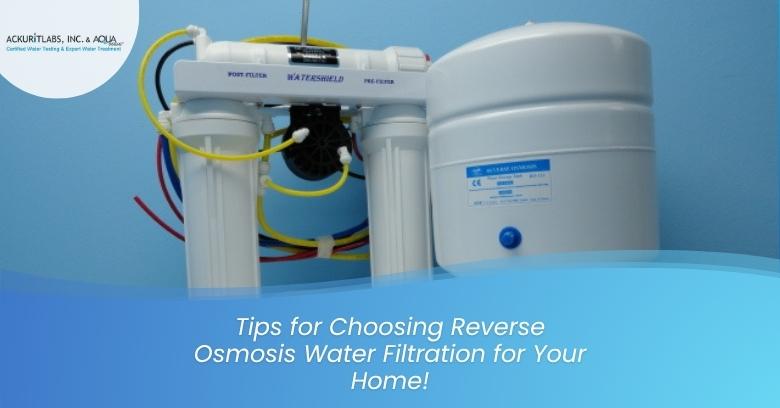
Pressure pushes the supply against a semipermeable membrane, and most dissolved material is held back, while larger units serve whole buildings. The reduction achieved depends on membrane condition, pressure and what is in the feed; a leak sensor is a sensible add-on.
Feeding Chlorine Into the Line – the Carbon Stage Afterward
A metering pump feeds sodium hypochlorite into the flow, and a tank gives it time to react; the chlorine oxidizes iron and sulfide into forms that can be filtered out. The final stage polishes taste and removes what remains of the disinfectant; a wrong dose helps nobody.
Whole-House or Single-Tap – One Tap, One Sink, One Appliance
Point-of-entry installations deal with problems that affect the entire plumbing system; scale, iron and chlorine are the usual reasons to go this route. Single-tap filters and membranes work where only drinking supply needs the extra step, and it shows which walls and lines are involved.
Choosing a Capacity: What Undersizing Looks Like
Treating the household's peak demand, not its average, keeps pressure from dropping; a bigger tank may be the practical answer. Equipment that is too small works harder and wears out sooner, and an installer should explain why a particular size was chosen.
What the Job Requires – Planning for Service Access
Most systems need a bypass valve so the plumbing can keep flowing during service; the installer plans the route up front. Whoever does the installation should be able to say what the local rules ask for; measure before ordering.
Supply Source Matters: Planning Around the Source
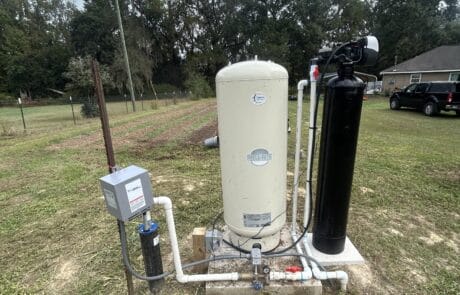
A well has no utility between it and the tap, so equipment often handles more of the load; wells also bring a pump and a pressure tank into the plan. The provider needs to know which source feeds the house before suggesting anything; each property gets its own plan.
After an Outage – Resetting the Clock and the Valve
A unit left without power may skip a scheduled recharge, which leaves the media tired when flow resumes; checking the time and the settings after power returns takes a minute. Equipment that sat in floodwater needs inspection before it goes back into service; keep manuals and settings notes together.
Day-to-Day Presence – Placement Decisions That Last
Most residential units are quiet, and the sounds they make are short bursts when a valve cycles or a recharge runs, and the location is chosen to keep lines short and service easy. A tidy installation labels valves, supports the plumbing and keeps the area dry; measure doors and hallways as well.
Replacement and Add-Ons – Reading Old Labels
A house may come with equipment that nobody remembers installing, so a look at the labels is the first step, and the readings guide whether to repair, keep or replace. Mixing parts from different makers is possible, though compatibility needs checking; nothing is replaced without a reason.
Commercial Systems – Keeping Service Running
Commercial installations are usually specified on paper, with flow rates and targets spelled out, and a drawing of the proposed layout is a reasonable request. Staff who run the building need to know where the valves are and what each one does, and the provider can supply those if asked.
Keeping Equipment in Shape – Small Tasks That Protect Big Parts
Every type of equipment has a consumable: salt for softeners, cartridges for filters, membranes for osmosis units; keep the paperwork in one place. Any change from how the system used to behave is the cue to check it, and a retest confirms the numbers.
Confirming the Result: Before and After Side by Side
The most reliable verification is a fresh panel run on the same items as before, which matters for cartridges and media that wear. If a reading is still high, the report guides the next adjustment, and keeping both reports together tells the story.
Limits to Keep in Mind: Questions for Any Seller
Each technology removes some things and leaves others, so a layered setup is common; ask how that is demonstrated. A provider unwilling to discuss limits is one to think twice about, and the same standard applies to anything written on this page.
Comparing Proposals: Details That Separate Good Plans
- Does the plan name the substances it targets, rather than speaking in general terms; vague answers deserve a follow-up.
- Who installs the equipment, and who services it after the job is done; ask for a copy of the manuals too.
- What does a retest look like, and when is it scheduled, and what does it say about future servicing.
A Call Before a Purchase: Bring What You Know
Speak with Ackuritlabs And Aqua Systems at 850-616-2634 to ask what a sensible first step would be for your supply.
The Short Version – the Sequence That Works
Good outcomes come from habits worth repeating: testing first, buying second and checking afterward, and everything above about Residential Water Filtration in Gadsden County Florida is general background, not a verdict. The number to call is 850-616-2634, and the conversation is the first step; the call goes quickly.
Verified

Verified
Verified
Verified
Verified