Looking for Residential Water Softener Installation in Quincy Florida?
Equipment gets chosen to fix a measured problem, and the fix is only as good as the diagnosis behind it, and the sections below explain how the common options differ.
Call Ackuritlabs And Aqua Systems at 850-616-2634 and say whether the supply is a well or a city line.
Before Any Equipment: Why Skipping It Backfires
Equipment bought off a shelf may handle a different problem than the one at the tap, which keeps the proposal tied to evidence. Anyone without a recent report can usually be pointed to a suitable panel first, and a short delay beats replacing the wrong unit.
Taking Out Hardness – Swapping Minerals for Sodium or Potassium
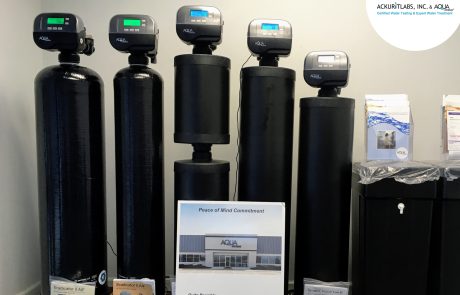
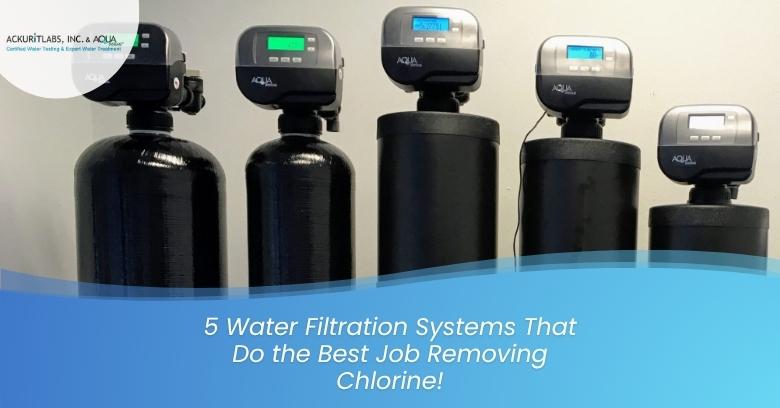
A conventional softener passes the supply through a bed of resin beads that grab calcium and magnesium; a control valve decides when to regenerate by clock or by usage. Scale buildup on heaters, kettles and shower heads slows down where hardness has been removed, though a softener does little for iron staining beyond a modest level.
Scale Control Without Salt: What They Do and Do Not Do
Nothing is exchanged, so the lab number for hardness reads the same before and after; people choose these devices to avoid salt, brine discharge and a drain connection. Expect scale to be reduced rather than eliminated, and expect no change in how soap lathers, and a good provider explains that before the purchase.
Activated Carbon: Matching Carbon to the Target
Surfaces inside the carbon grab onto particular chemicals, leaving a cleaner taste behind; it helps to know what the utility adds. A saturated filter can release what it captured, which is why change schedules matter; a taste that creeps back is the usual reminder.
Canisters on the Line: Keeping Spare Elements
A housing on the line holds a cartridge that screens out particles above a chosen size, which lets each cartridge last longer. Pressure falls as an element loads up, which is the practical signal to swap it; keep a spare cartridge on a shelf.
Reverse Osmosis – Dissolved Solids Reduced
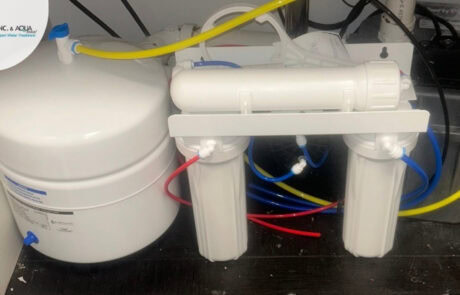
Pressure pushes the supply against a semipermeable membrane, and most dissolved material is held back; most home units sit under a sink and serve one tap. A lab test before and after is the reliable way to know what a particular system achieves; a leak sensor is a sensible add-on.
Treating Iron, Sulfur and Microbes – Time, Dose and Cleanup
The setup pairs a feed pump with a retention tank so the chlorine has time to work; time in the tank is what makes the reaction complete. A backwashing filter often follows, clearing the particles the reaction produces, and the setup should be checked after the first weeks.
Whole-House or Single-Tap: Planning the Pipe Run
Point-of-entry installations deal with problems that affect the entire plumbing system; the flow at the entry is worth measuring before ordering. Where only one fixture matters, a compact installation avoids treating the whole house; the provider can sketch where each unit would go.
Sizing – People, Fixtures and Usage
The size of the housing and the volume of media set how much a system can handle; the number of bathrooms and people is part of the calculation. An undersized system forces flow past the media too fast, which weakens the result; ask to see the numbers behind the recommendation.
Plumbing, Power and Drain Needs – Codes and Neighbors
Good installations include a way to route flow around the unit when needed, and electrical needs vary from a plug-in transformer to a dedicated circuit. Checking with the local office is sensible before anything is cut or glued; measure before ordering.
Two Starting Points: Planning Around the Source
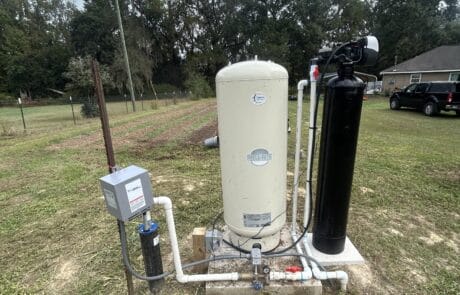
Raw well supply brings the chemistry of the ground straight to the plumbing; sediment and iron tend to be the early concerns. Equipment picked from a neighbor's experience may not suit a different source; mention the source on the first call.
When the Lights Go Out: Planning Before the Season
A unit left without power may skip a scheduled recharge, which leaves the media tired when flow resumes; checking the time and the settings after power returns takes a minute. Anything touched by flooding, including a well pump and chemical feed gear, deserves a professional look; photographs taken before the season make later comparisons easier.
Where Everything Goes – Reaching the Controls
Compressors and pumps are the noisiest parts of larger systems, and they normally sit in a mechanical space; clear floor space around a tank makes salt loading simple. Some owners build a small enclosure, though it must not block air or access; measure doors and hallways as well.
An Older System in the Garage: Test Before Deciding
Many properties already have a tank, a filter housing or an under-sink unit, and the question is whether it still suits the supply; a fresh lab panel shows whether the present system is still doing its job. A sediment screen or a carbon stage can often be added without replacing everything; photographs of the current setup speed up the first conversation.
Commercial Systems: Written Specifications
Business equipment is sized for higher flows and often arranged in pairs so one tank can work while the other recharges, and a drawing of the proposed layout is a reasonable request. A property manager benefits from a maintenance plan that lists tasks, intervals and who does them; a log of salt, media and filter changes helps.
Service Schedule – Small Tasks That Protect Big Parts
Treatment is not a one-time purchase, since something wears out or runs low on every system; a simple calendar reminder prevents most lapses. Any change from how the system used to behave is the cue to check it, and a service call beats a failed system.
The Second Sample: When to Retest
Measurements taken after setup show the change in black and white; a retest a few months in shows whether the system is holding. If a reading is still high, the report guides the next adjustment; dates on everything keep the record clear.
Honest Limits: No Single Device Fixes Everything
Marketing language tends to be broader than what a product actually does; ask for the specific substances a product addresses. If a proposal does not mention the lab results, ask how it was reached; nothing here replaces advice for your property.
Before You Sign – Everything in Writing
- Which lab results is the proposal based on, and which items does it address; a specific answer is what you want.
- Which local rules apply to this installation, and who handles them; ask for a copy of the manuals too.
- How will you know the equipment is working a few months from now; each of these is worth asking.
A Call Before a Purchase – One Call Sorts Out Next Steps
Dial Ackuritlabs And Aqua Systems at 850-616-2634 to find out how a system would be planned and sized.
Pulling the Threads: Test, Choose, Install, Confirm
Good outcomes come from habits worth repeating: testing first, buying second and checking afterward, because each property in Quincy Florida has its own story, whatever any page says about Residential Water Softener Installation. Questions are welcome at 850-616-2634, where Ackuritlabs And Aqua Systems can lay out the options; the call goes quickly.
Verified

Verified
Verified
Verified
Verified