Weighing Options for Salt-Free Water Softener Throughout Quincy Florida?
Matching the device to the finding is what separates a useful installation from a blind guess; the sections below put the options in plain language.
Phone Ackuritlabs And Aqua Systems at 850-616-2634 and say whether the supply is a well or a city line.
The Order of Operations: a Lab Number Beats a Guess
A smell, a stain or a taste is a symptom, and the symptom alone rarely identifies the cure; most reputable providers ask for results before quoting a system. Anyone without a recent report can usually be pointed to a suitable panel first; skipping ahead is where most mismatches begin.
Resin Tanks: How the Resin Works
A conventional softener passes the supply through a bed of resin beads that grab calcium and magnesium, and a salt or potassium brine recharges the bed on a schedule. Softened supply leaves less scale on fixtures, glass and heating elements; the lab result still decides what else belongs in the plan.
Template-Assisted Units – Changing How Scale Forms
Nothing is exchanged, so the lab number for hardness reads the same before and after, which suits some households and some local rules. A conditioner will not give the slick feel that a softened supply has in the shower, and a good provider explains that before the purchase.
Carbon Filtration: Why Cartridges Run Out
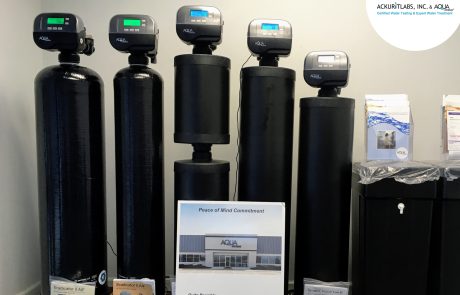
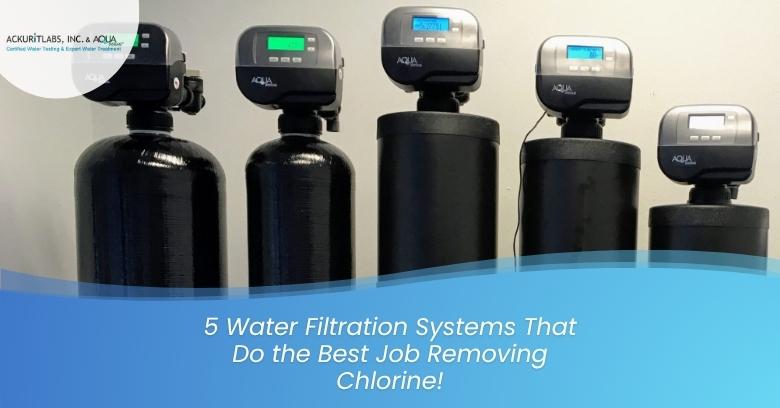
Surfaces inside the carbon grab onto particular chemicals, leaving a cleaner taste behind; each type of carbon targets specific compounds, so the media is picked to suit the finding. Capacity depends on how much is in the supply and how much a household uses; keeping a date on the housing is a good habit.
Canisters on the Line: Reading the Micron Number
A housing on the line holds a cartridge that screens out particles above a chosen size, and the sequence is part of the design. A carbon cartridge installed in the same housing style handles taste while the sediment unit handles grit; keep a spare cartridge on a shelf.
Drinking Supply Upgrades: Fair Expectations
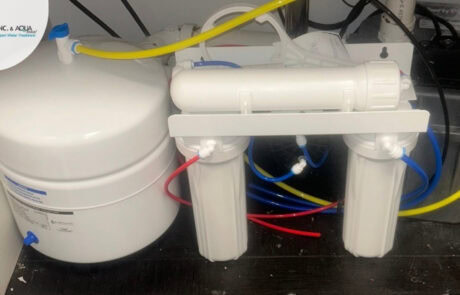
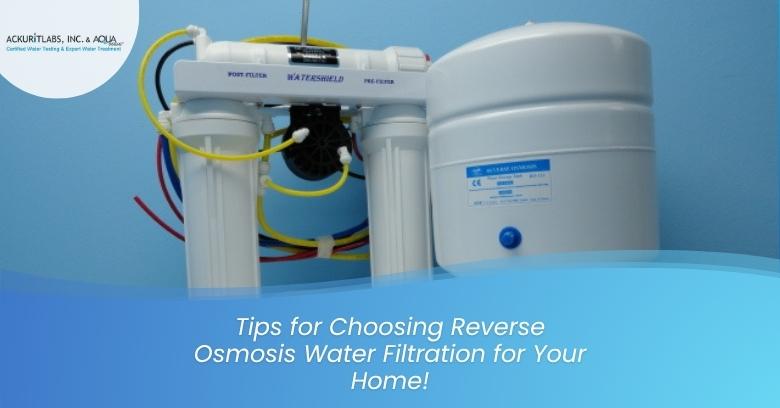
Pressure pushes the supply against a semipermeable membrane, and most dissolved material is held back; most home units sit under a sink and serve one tap. A lab test before and after is the reliable way to know what a particular system achieves; a leak sensor is a sensible add-on.
Feeding Chlorine Into the Line: a Metering Pump and a Retention Tank
The setup pairs a feed pump with a retention tank so the chlorine has time to work; time in the tank is what makes the reaction complete. A backwashing filter often follows, clearing the particles the reaction produces; dosing is not a do-it-yourself guess.
Scope of a System – Matching Scope to Need
Everything inside the building sees treated flow when equipment sits at the entry; the flow at the entry is worth measuring before ordering. Where only one fixture matters, a compact installation avoids treating the whole house; a layout on paper avoids surprises.
Choosing a Capacity: What Undersizing Looks Like
A unit has two numbers that matter: a peak flow rating and a capacity between cleanings; a unit that is too small shortens the time between regenerations. Oversizing has drawbacks too, since idle media can foul and extra tanks need space, and a vague one deserves a follow-up question.
Installation Details – Planning for Service Access
Most systems need a bypass valve so the plumbing can keep flowing during service; the walk-through before work matters. Codes affect drain connections, backflow protection and the placement of equipment; a tidy install is easier to maintain.
Supply Source Matters: Planning Around the Source
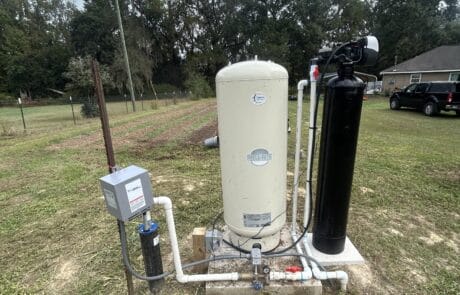
City lines usually deliver a steady, disinfected supply, so the complaints tend to be taste and scale; sediment and iron tend to be the early concerns. A carbon unit that suits a city line may be useless against the main problem of a well; mention the source on the first call.
When the Lights Go Out: Planning Before the Season
A unit left without power may skip a scheduled recharge, which leaves the media tired when flow resumes; checking the time and the settings after power returns takes a minute. Anything touched by flooding, including a well pump and chemical feed gear, deserves a professional look; photographs taken before the season make later comparisons easier.
Where Everything Goes – Reaching the Controls
Noise from a unit tends to come from the drain line and the valve rather than the tanks, and the location is chosen to keep lines short and service easy. A tidy installation labels valves, supports the plumbing and keeps the area dry, and the installer can suggest a layout.
An Older System in the Garage – Keep, Repair or Replace
Equipment bought long ago was chosen for a supply that may have changed since; the model number on the label usually leads to a manual and a parts list. New components usually have to fit the pipe sizes, the pressure and the drain already in place; nothing is replaced without a reason.
Treatment at Business Scale: Duplex Tanks and Bigger Flows
Restaurants, offices and apartment buildings draw far more than a house, and the gear is scaled to match, and a controller can log regeneration cycles. Commercial owners usually want service records, so the system should make them easy to keep; ask what monitoring the equipment offers.
Keeping Equipment in Shape: Salt, Cartridges and Media
Soft supply depends on a brine tank that is kept stocked; keep the paperwork in one place. Warning signs include a return of the old taste, scale reappearing and a drop in pressure, and a retest confirms the numbers.
Confirming the Result – Numbers, Not Impressions
Measurements taken after setup show the change in black and white, which matters for cartridges and media that wear. A result that falls short is information, and it points to what to add or change; dates on everything keep the record clear.
Expectations Worth Setting – Read the Fine Print
No single device removes every substance, and a pitch that one box covers everything deserves doubt; compare the data sheet with your lab report. Anyone selling treatment equipment should be able to explain what it reduces and what it leaves alone, and the same standard applies to anything written on this page.
Questions for a Provider: Points Worth Raising
- Which lab results is the proposal based on, and which items does it address; ask for the reasoning in writing.
- Who installs the equipment, and who services it after the job is done; clear scope prevents surprises.
- Where should the paperwork for the system be stored; write the answers down.
Getting Advice: Questions Are the Starting Point
Phone Ackuritlabs And Aqua Systems at 850-616-2634 to go over the lab report and the symptoms at your tap.
Pulling the Threads: Matching Hardware to the Finding
The reliable path runs from a lab figure, through a sensible choice of equipment, to a retest that shows the change; whatever has brought you to read about Salt-Free Water Softener near Quincy Florida, a short call sorts out where to begin. The number to call is 850-616-2634, and the conversation is the first step; mention whether the supply is a well or a utility line.
Verified

Verified
Verified
Verified
Verified