Need Water Filtration System in Gretna Florida?
Equipment gets chosen to fix a measured problem, and the fix is only as good as the diagnosis behind it, and the sections below explain how the common options differ.
Dial Ackuritlabs And Aqua Systems at 850-616-2634 to ask how an installation is planned.
Before Any Equipment: Why Skipping It Backfires
A smell, a stain or a taste is a symptom, and the symptom alone rarely identifies the cure; most reputable providers ask for results before quoting a system. A first conversation commonly ends with advice on what to sample before the next step, and a short delay beats replacing the wrong unit.
The Salt-Based Softener: a Bed of Beads and a Brine Tank
Hardness minerals stick to a charged resin, which swaps them for sodium or potassium ions; when the beads fill up, a brine rinse flushes the captured minerals to a drain. Where a softener is sized correctly, white crust becomes much less of a chore, though a softener does little for iron staining beyond a modest level.
Salt-Free Conditioners: What They Do and Do Not Do
Conditioners leave the hardness figure unchanged and change the shape of the crystals that form; people choose these devices to avoid salt, brine discharge and a drain connection. A conditioner will not give the slick feel that a softened supply has in the shower, and a good provider explains that before the purchase.
The Charcoal Option: Matching Carbon to the Target
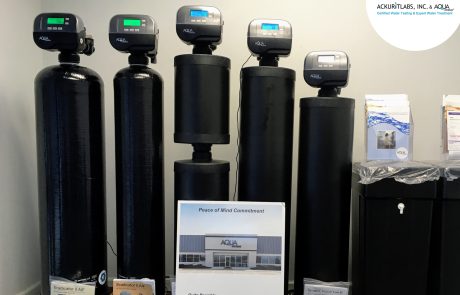
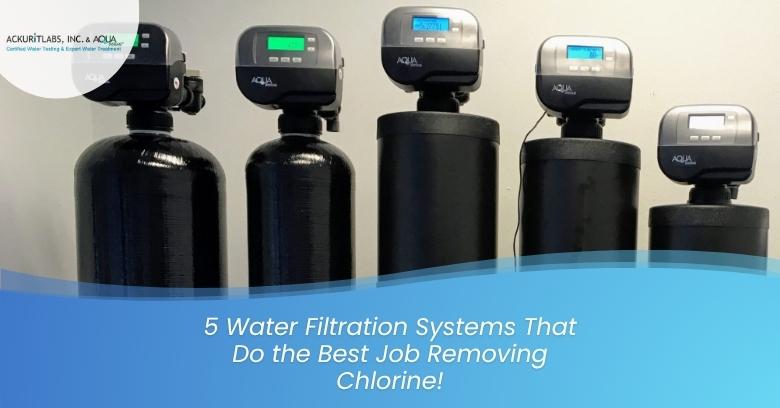
Carbon holds onto certain compounds as supply passes through, which cuts chlorine taste and some odors, and ordinary carbon handles free chlorine more easily than chloramine. Carbon has a limited capacity, and once it is spent, it stops doing its job, and the provider can estimate a schedule.
Cartridges and Sediment Filters: Keeping Spare Elements
Particle filters are the first stage in many systems, catching whatever would clog the rest; the rating, given in microns, states how small a particle the element is built to catch. Putting stages in the wrong order shortens the life of the costlier cartridge; write the swap date on the canister.
Membrane Systems: Fair Expectations
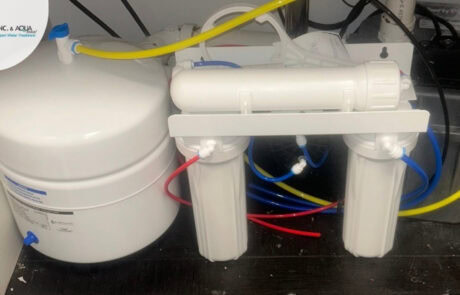
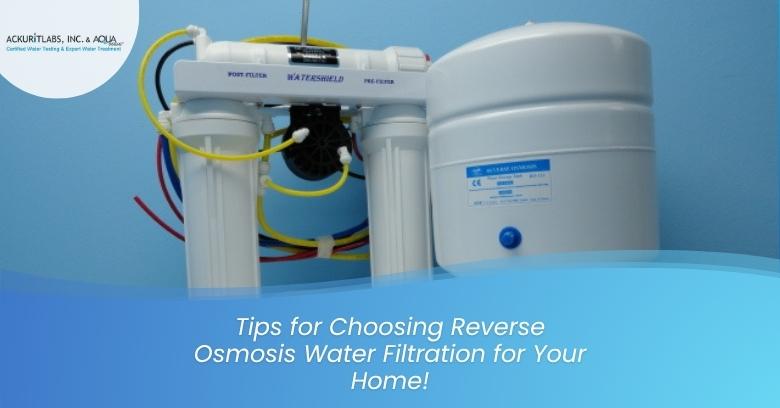
The membrane is the center of the system, flanked by pre-filters and a final carbon stage, while larger units serve whole buildings. A lab test before and after is the reliable way to know what a particular system achieves, and the reject volume is worth asking about.
Feeding Chlorine Into the Line – Time, Dose and Cleanup
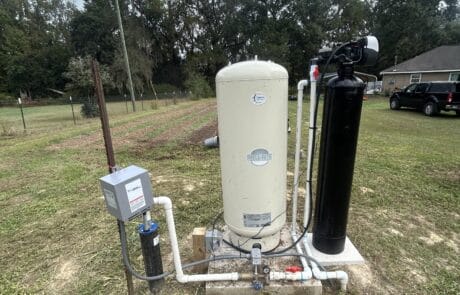
A pump, a tank and a backwashing filter form the heart of a chlorination setup; time in the tank is what makes the reaction complete. The final stage polishes taste and removes what remains of the disinfectant, and the setup should be checked after the first weeks.
Whole-House or Single-Tap – Matching Scope to Need
Point-of-entry installations deal with problems that affect the entire plumbing system; larger tanks and brine cabinets take real room. A point-of-use unit serves a single faucet, usually the kitchen, and suits drinking and cooking; a layout on paper avoids surprises.
Peak Demand Math: Gallons per Minute and Grains
Treating the household's peak demand, not its average, keeps pressure from dropping; the number of bathrooms and people is part of the calculation. Equipment that is too small works harder and wears out sooner; a reasoned answer is a good sign.
Space and Connections: Bypass Valves, Drains and Outlets
A bypass lets the household isolate a unit without shutting off the whole supply; chlorine feed pumps and contact tanks add their own requirements. Codes affect drain connections, backflow protection and the placement of equipment; a tidy install is easier to maintain.
Wells Versus City Lines: Chlorine Added or Not
Private wells deliver untreated groundwater, which can carry iron, sulfur, hardness and microbes, whereas chlorine and chloramine lead the list on a city line. A quick description of the plumbing path is enough to start the right conversation; each property gets its own plan.
After an Outage – Resetting the Clock and the Valve
A unit left without power may skip a scheduled recharge, which leaves the media tired when flow resumes; a quick look at the salt level and the drain line completes the check. Anything touched by flooding, including a well pump and chemical feed gear, deserves a professional look, and the provider can describe what a post-storm check involves.
Noise, Space and Appearance: Tanks, Hums and Cabinets
Most residential units are quiet, and the sounds they make are short bursts when a valve cycles or a recharge runs; a garage, a utility closet or a pump house is the usual home. A tidy installation labels valves, supports the plumbing and keeps the area dry; measure doors and hallways as well.
Working With Existing Equipment – Reading Old Labels
Equipment bought long ago was chosen for a supply that may have changed since; a fresh lab panel shows whether the present system is still doing its job. A sediment screen or a carbon stage can often be added without replacing everything; nothing is replaced without a reason.
Commercial Systems – Keeping Service Running
Boilers, cooling equipment and ice makers can be sensitive to scale, which shapes the design; a duplex arrangement keeps soft supply flowing through each recharge. A property manager benefits from a maintenance plan that lists tasks, intervals and who does them, because early warning beats a repair.
Keeping Equipment in Shape: What Gets Neglected
Filters eventually clog, and carbon eventually saturates, so each has a replacement interval; a label on each housing with the install date helps. Noisy valves, salt bridges in the tank and slow flow are signs worth a look, and a service call beats a failed system.
Closing the Loop: When to Retest
The most reliable verification is a fresh panel run on the same items as before, which matters for cartridges and media that wear. Expect a number lower than before, not necessarily a number of zero; dates on everything keep the record clear.
Limits to Keep in Mind: No Single Device Fixes Everything
Marketing language tends to be broader than what a product actually does; claims about results should point to a published test method. A provider unwilling to discuss limits is one to think twice about; nothing here replaces advice for your property.
A Short Interview: Scope, Parts and Follow-Up
- Does the plan name the substances it targets, rather than speaking in general terms; ask for the reasoning in writing.
- Who installs the equipment, and who services it after the job is done; ask for a copy of the manuals too.
- Where should the paperwork for the system be stored; write the answers down.
Start the Conversation: Questions Are the Starting Point
Dial Ackuritlabs And Aqua Systems at 850-616-2634 to find out how a system would be planned and sized.
The Short Version: Test, Choose, Install, Confirm
A dependable setup follows a sequence: measure the supply, pick equipment to suit, install it carefully and test again, and for Water Filtration System in Gretna Florida the first step is a conversation about the supply and the symptoms. Call 850-616-2634 to reach Ackuritlabs And Aqua Systems and talk over your situation; the call goes quickly.
Verified

Verified
Verified
Verified
Verified