Shopping for Water Filtration System Across Havana Florida?
Equipment gets chosen to fix a measured problem, and the fix is only as good as the diagnosis behind it; the sections below describe what each option does and where it stops.
Phone Ackuritlabs And Aqua Systems at 850-616-2634 to talk through what the tap has been doing.
The Step Ahead of the Purchase – Reading the Problem Correctly
Equipment bought off a shelf may handle a different problem than the one at the tap; having a report on hand speeds everything up. If the history of the supply is unknown, a baseline panel is the sensible opener; skipping ahead is where most mismatches begin.
Taking Out Hardness – Swapping Minerals for Sodium or Potassium
Hardness minerals stick to a charged resin, which swaps them for sodium or potassium ions; a control valve decides when to regenerate by clock or by usage. Where a softener is sized correctly, white crust becomes much less of a chore, and it will not change the taste of the supply on its own.
Scale Control Without Salt: What They Do and Do Not Do
Nothing is exchanged, so the lab number for hardness reads the same before and after; people choose these devices to avoid salt, brine discharge and a drain connection. Expect scale to be reduced rather than eliminated, and expect no change in how soap lathers; being clear on this point prevents disputes later.
The Charcoal Option: Chlorine, Odors and Organic Traces
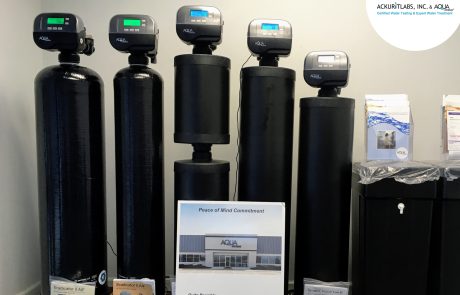
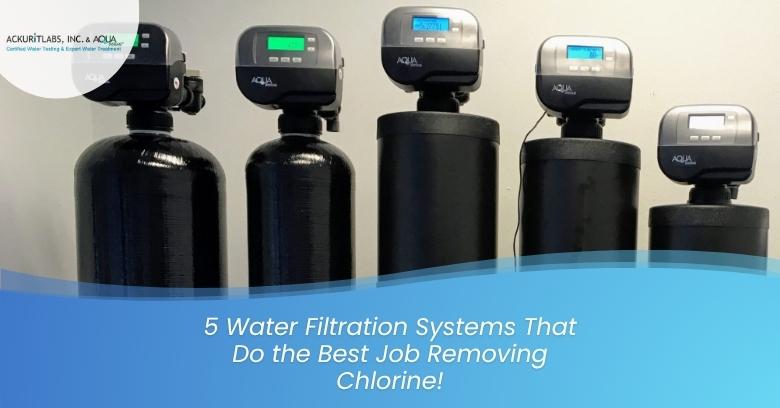
Carbon holds onto certain compounds as supply passes through, which cuts chlorine taste and some odors, and the lab or the utility report can say. Capacity depends on how much is in the supply and how much a household uses; a taste that creeps back is the usual reminder.
Spun, Pleated and Wound Media: Sizes, Ratings and Swaps
A housing on the line holds a cartridge that screens out particles above a chosen size, and a smaller rating catches finer particles but clogs sooner. Pressure falls as an element loads up, which is the practical signal to swap it; replacements are sold by size, so note the model.
Membrane Systems: Where It Sits and What It Wastes
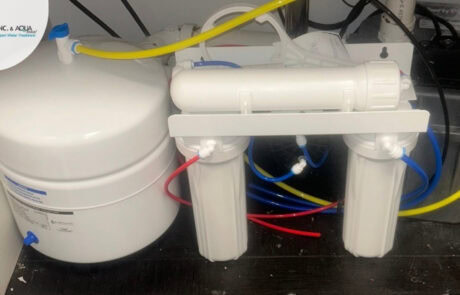
Dissolved solids stay on one side of the membrane and get flushed away, while larger units serve whole buildings. Pre-filters protect the membrane, and replacing them on time protects the system, and the reject volume is worth asking about.
Feeding Chlorine Into the Line: Why Dose Control Matters
The setup pairs a feed pump with a retention tank so the chlorine has time to work, and the dose is set from lab readings. After the contact tank, a carbon stage strips leftover chlorine so the tap smells clean, and chemical equipment is installed and set up with care.
Whole-House or Single-Tap – Matching Scope to Need
Equipment where the supply enters the building protects all the plumbing downstream; a garage or utility closet often becomes the home. Where only one fixture matters, a compact installation avoids treating the whole house; ask for a simple diagram of the plan.
Sizing: What Undersizing Looks Like
Equipment is rated by how fast supply can pass through it and by how much it can treat before servicing, along with the hardness or iron level on the lab report. Equipment that is too small works harder and wears out sooner, and an installer should explain why a particular size was chosen.
Practical Requirements: Tying Into Existing Lines
Good installations include a way to route flow around the unit when needed; chlorine feed pumps and contact tanks add their own requirements. Local plumbing and electrical rules may apply, and the installer is the one to know them; a tidy install is easier to maintain.
Supply Source Matters – Pressure Tanks and Pumps
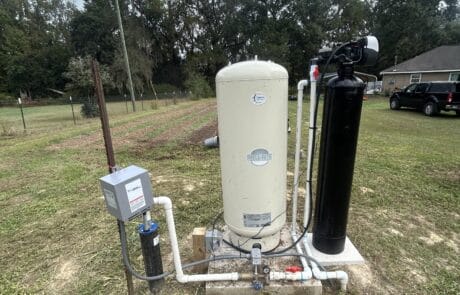
A well has no utility between it and the tap, so equipment often handles more of the load, whereas chlorine and chloramine lead the list on a city line. A carbon unit that suits a city line may be useless against the main problem of a well; photos of the existing equipment help.
When the Lights Go Out – Resetting the Clock and the Valve
Electronic valves keep time with the power, so a clock that resets can trigger recharges at odd hours, and the manual shows how to reset the controller. Anything touched by flooding, including a well pump and chemical feed gear, deserves a professional look; write down the shutoff locations.
Living With the Equipment: Keeping the Area Tidy
Noise from a unit tends to come from the drain line and the valve rather than the tanks; a garage, a utility closet or a pump house is the usual home. Some owners build a small enclosure, though it must not block air or access, and the installer can suggest a layout.
Inherited Hardware: Planning a Sensible Sequence
Many properties already have a tank, a filter housing or an under-sink unit, and the question is whether it still suits the supply, and the provider can often read the date code. Adding a stage to an existing setup requires attention to order, flow rate and pressure drop; ask for a plain list of what changes and what stays.
When a Property Has Many Users: Duplex Tanks and Bigger Flows
Larger buildings may need several tanks and manifolds, not one household unit; the survey of the site comes first. Written procedures and a labeled schematic make handovers between staff smoother, and it supports any later troubleshooting.
Upkeep: What Gets Neglected
Treatment is not a one-time purchase, since something wears out or runs low on every system; adjust to what the supply actually does. Noisy valves, salt bridges in the tank and slow flow are signs worth a look, and a service call beats a failed system.
The Second Sample: When to Retest
Measurements taken after setup show the change in black and white; collecting at the same tap, in the same way, keeps the comparison fair. A result that falls short is information, and it points to what to add or change; store copies where they can be found.
What Equipment Cannot Do: No Single Device Fixes Everything
Each technology removes some things and leaves others, so a layered setup is common; ask for the specific substances a product addresses. A provider unwilling to discuss limits is one to think twice about; clear explanations are the best sign.
Before You Sign: Points Worth Raising
- What does the proposal assume about hardness, iron and chlorine, and where did those figures come from; vague answers deserve a follow-up.
- Where will the drain, the power and the bypass go, and what will be cut or moved; clear scope prevents surprises.
- Which items are checked on a routine visit, and which need special tools; each of these is worth asking.
Start the Conversation: Describe the Problem First
Call Ackuritlabs And Aqua Systems at 850-616-2634 to go over the lab report and the symptoms at your tap.
The Short Version – the Sequence That Works
The reliable path runs from a lab figure, through a sensible choice of equipment, to a retest that shows the change, and for Water Filtration System in Havana Florida the first step is a conversation about the supply and the symptoms. Call 850-616-2634 to reach Ackuritlabs And Aqua Systems and talk over your situation; the details you share shape the advice.
Verified

Verified
Verified
Verified
Verified