Weighing Options for Water Softening Service for a Property in Florida Panhandle?
A treatment system is a tool for one job, so the job has to be named before the tool is picked; the sections below describe what each option does and where it stops.
Call Ackuritlabs And Aqua Systems at 850-616-2634 to talk through what the tap has been doing.
Diagnosis First – Reading the Problem Correctly
Taste and appearance narrow the field, though only a lab report settles it; having a report on hand speeds everything up. Anyone without a recent report can usually be pointed to a suitable panel first; patience at this stage tends to save money later.
Resin Tanks: How the Resin Works
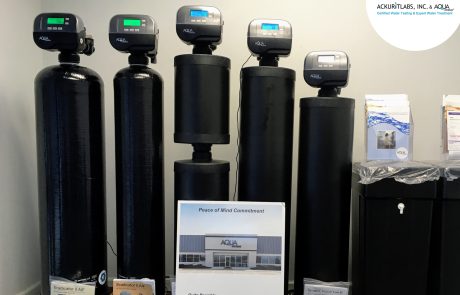
A conventional softener passes the supply through a bed of resin beads that grab calcium and magnesium; a control valve decides when to regenerate by clock or by usage. Laundry and dishes tend to come out cleaner where the minerals have been removed; it is not meant to filter out bacteria or chemicals.
Template-Assisted Units – Changing How Scale Forms
Nothing is exchanged, so the lab number for hardness reads the same before and after, though results vary with the water and the model. Because the minerals remain, soap and shampoo behave as they would on hard supply; ask what the device will not do.
Carbon Filtration – Granular Beds and Blocks
Filters based on carbon are the usual choice for chlorine taste and many household odors, and ordinary carbon handles free chlorine more easily than chloramine. Capacity depends on how much is in the supply and how much a household uses; a taste that creeps back is the usual reminder.
Canisters on the Line: Reading the Micron Number
Grit and flakes get stopped by a pleated or wound element sitting in a clear or opaque canister; the rating, given in microns, states how small a particle the element is built to catch. Pressure falls as an element loads up, which is the practical signal to swap it; replacements are sold by size, so note the model.
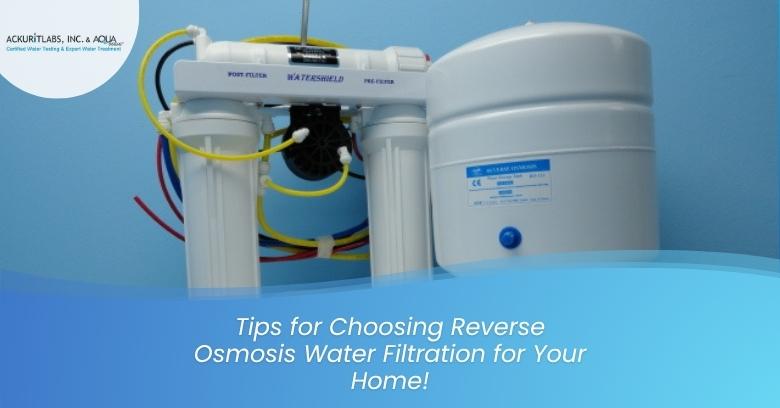
The Under-Sink Purifier – Storage Tank, Faucet and Drain
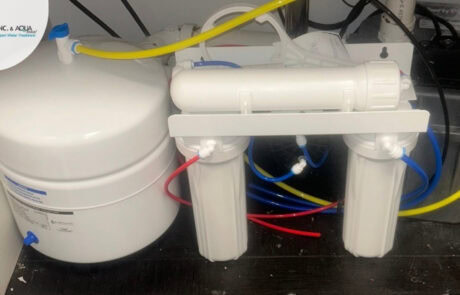
A membrane passes the liquid and rejects a large share of dissolved salts and other solids, and a small storage tank holds finished supply for the dedicated faucet. Some units add minerals back after the membrane to adjust taste, and a membrane may last for a long stretch if it is protected.
Injectors and Contact Tanks: Why Dose Control Matters
A chlorine injector meters a small amount of disinfectant into the line ahead of a holding tank, and the dose is set from lab readings. Where the supply is meant for drinking, the leftover chlorine is filtered off; chemicals are stored and handled according to the label.
Where the Equipment Sits – One Tap, One Sink, One Appliance
Point-of-entry installations deal with problems that affect the entire plumbing system, and the machinery needs floor space near the main shutoff. A point-of-use unit serves a single faucet, usually the kitchen, and suits drinking and cooking; a layout on paper avoids surprises.
Sizing: Gallons per Minute and Grains
Ratings printed on the label describe the equipment, and the installer matches them to the building; a bigger tank may be the practical answer. An undersized system forces flow past the media too fast, which weakens the result; ask to see the numbers behind the recommendation.
Plumbing, Power and Drain Needs: the Checklist Behind a Clean Install
Good installations include a way to route flow around the unit when needed; chlorine feed pumps and contact tanks add their own requirements. Local plumbing and electrical rules may apply, and the installer is the one to know them; a tidy install is easier to maintain.
What Changes by Source: Planning Around the Source
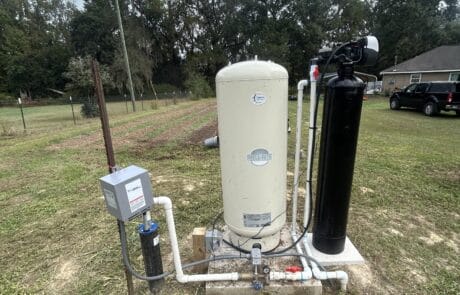
Raw well supply brings the chemistry of the ground straight to the plumbing; sediment and iron tend to be the early concerns. Because the two sources differ, the same product can be a great fit on one and wasted on the other; neighbors on the same aquifer can still differ.
Storms and Power Interruptions – Resetting the Clock and the Valve
A unit left without power may skip a scheduled recharge, which leaves the media tired when flow resumes, since a stuck valve is easier to catch early. Anything touched by flooding, including a well pump and chemical feed gear, deserves a professional look; photographs taken before the season make later comparisons easier.
Where Everything Goes – Placement Decisions That Last
A recharge brings gurgling and flowing noises for a spell, usually at a scheduled hour, and the location is chosen to keep lines short and service easy. Some owners build a small enclosure, though it must not block air or access; a tank that cannot get through a doorway is a common surprise.
An Older System in the Garage – Reading Old Labels
Older units may still work but have worn parts, such as seals, valves, resin or membranes, which helps weigh a repair against a new unit. The simplest upgrade is often a fresh set of cartridges or media, not a new system, and old manuals are worth saving.
When a Property Has Many Users – Coordinating With Maintenance
Commercial installations are usually specified on paper, with flow rates and targets spelled out; a duplex arrangement keeps soft supply flowing through each recharge. Written procedures and a labeled schematic make handovers between staff smoother, and the provider can supply those if asked.
Maintenance Rhythm: Signs a Unit Needs Attention
Soft supply depends on a brine tank that is kept stocked; a label on each housing with the install date helps. Any change from how the system used to behave is the cue to check it; do not wait for a complete failure.
Confirming the Result: Before and After Side by Side
Comparing a new lab report against the original is how a household confirms the hardware did its job; schedule it when the system goes in. Expect a number lower than before, not necessarily a number of zero; a short note on the equipment installed completes the record.
Limits to Keep in Mind: Misuse and Misfit
A softener will not make a supply taste different, and a carbon filter will not soften it; read the data sheet, not just the front of the box. If a proposal does not mention the lab results, ask how it was reached; clear explanations are the best sign.
Questions for a Provider: Details That Separate Good Plans
- Does the plan name the substances it targets, rather than speaking in general terms, and what stays the same afterward.
- How is the unit set up at the start, and what will you be shown before the crew leaves; clear scope prevents surprises.
- What does a retest look like, and when is it scheduled; follow-up is as important as the install.
Talking It Through: Questions Are the Starting Point
Speak with Ackuritlabs And Aqua Systems at 850-616-2634 to ask what a sensible first step would be for your supply.
Bringing It Together: Next Steps
Matching a device to a lab result, sizing it to the building and keeping up with upkeep is the whole recipe; whatever has brought you to read about Water Softening Service near Florida Panhandle, a short call sorts out where to begin. Questions are welcome at 850-616-2634, where Ackuritlabs And Aqua Systems can lay out the options; mention whether the supply is a well or a utility line.