Shopping for Water Softeners Throughout Florida Panhandle?
Each piece of hardware on the market answers a particular complaint, and none answers all of them, and the sections below explain how the common options differ.
Contact Ackuritlabs And Aqua Systems at 850-616-2634 and describe the stains, scale or smells you want gone.
Diagnosis First – Reading the Problem Correctly
Orange stains, chalky scale and a swampy smell can each have a separate cause, and each calls for different gear, which keeps the proposal tied to evidence. Where no result exists yet, a provider can often suggest what to measure, and a short delay beats replacing the wrong unit.
Resin Tanks – What It Fixes and What It Leaves
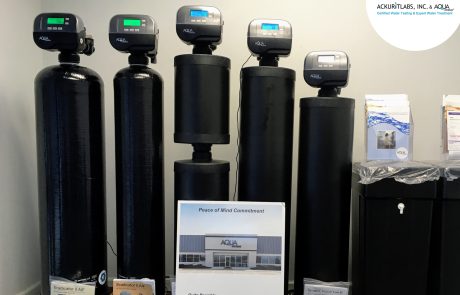
The core of a standard softener is a resin bed that exchanges hardness minerals for a softer ion; the unit needs a drain line and a power outlet. Laundry and dishes tend to come out cleaner where the minerals have been removed; other equipment handles those jobs.
Alternatives to the Brine Tank: No Drain, No Salt, Different Results
Conditioners leave the hardness figure unchanged and change the shape of the crystals that form, which suits some households and some local rules. A conditioner will not give the slick feel that a softened supply has in the shower; asking for a plain description of the outcome avoids disappointment.
Adsorption Media: Matching Carbon to the Target
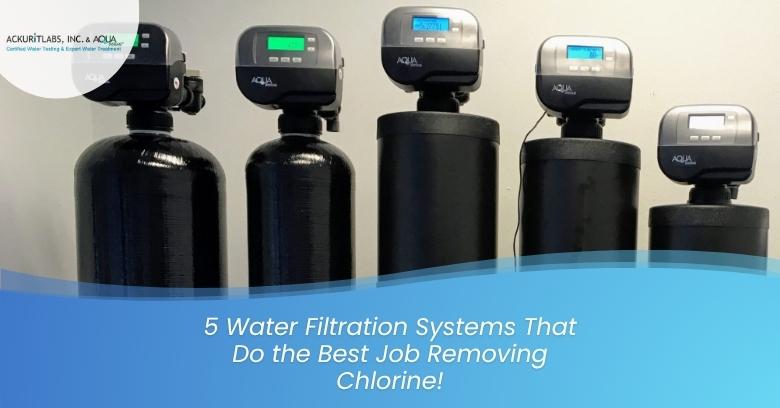
Carbon holds onto certain compounds as supply passes through, which cuts chlorine taste and some odors, and the lab or the utility report can say. Capacity depends on how much is in the supply and how much a household uses, and the maker's change interval is a guide, not a promise.
Canisters on the Line: Keeping Spare Elements
Grit and flakes get stopped by a pleated or wound element sitting in a clear or opaque canister, and the sequence is part of the design. Pressure falls as an element loads up, which is the practical signal to swap it, and a pressure gauge on each side of the housing makes that visible.
Drinking Supply Upgrades: Pressure, Membrane and Reject Stream
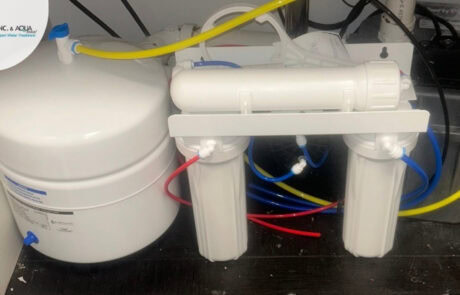
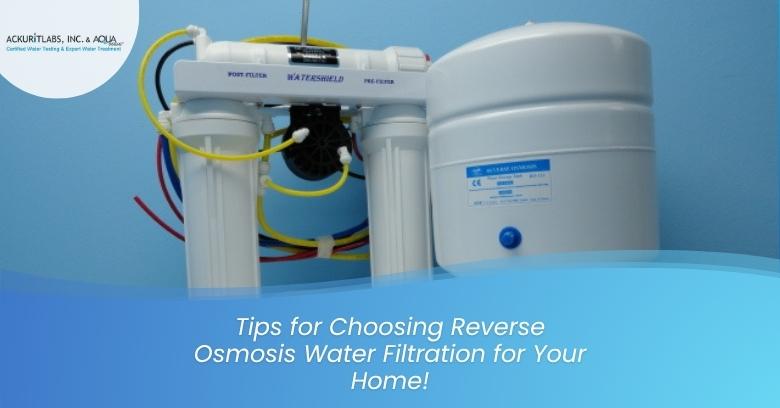
A membrane passes the liquid and rejects a large share of dissolved salts and other solids, while larger units serve whole buildings. Some units add minerals back after the membrane to adjust taste; ask for the maintenance schedule in writing.
Oxidation Systems: a Metering Pump and a Retention Tank
A chlorine injector meters a small amount of disinfectant into the line ahead of a holding tank; time in the tank is what makes the reaction complete. The final stage polishes taste and removes what remains of the disinfectant; a wrong dose helps nobody.
Point of Entry Versus Point of Use: Planning the Pipe Run
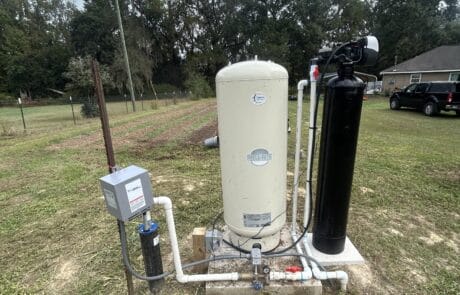
Whole-house layouts put one set of equipment ahead of every fixture; larger tanks and brine cabinets take real room. Single-tap filters and membranes work where only drinking supply needs the extra step; a layout on paper avoids surprises.
Sizing – People, Fixtures and Usage
The size of the housing and the volume of media set how much a system can handle, along with the hardness or iron level on the lab report. Equipment that is too small works harder and wears out sooner; a reasoned answer is a good sign.
Plumbing, Power and Drain Needs – Codes and Neighbors
Valves around the equipment allow it to be taken out of service in minutes; a drain line, an air gap and a nearby outlet come with a softener. Whoever does the installation should be able to say what the local rules ask for, and access for servicing should be planned from the start.
Supply Source Matters: Planning Around the Source
City lines usually deliver a steady, disinfected supply, so the complaints tend to be taste and scale, whereas chlorine and chloramine lead the list on a city line. A quick description of the plumbing path is enough to start the right conversation; photos of the existing equipment help.
Hurricane-Season Readiness – Protecting Gear From Surge and Silt
A unit left without power may skip a scheduled recharge, which leaves the media tired when flow resumes, since a stuck valve is easier to catch early. Equipment that sat in floodwater needs inspection before it goes back into service, and the provider can describe what a post-storm check involves.
Noise, Space and Appearance – Placement Decisions That Last
A recharge brings gurgling and flowing noises for a spell, usually at a scheduled hour, and the location is chosen to keep lines short and service easy. Leaving room to open lids, change cartridges and read gauges makes upkeep a quick job, and the installer can suggest a layout.
Replacement and Add-Ons: Compatibility With Present Plumbing
Older units may still work but have worn parts, such as seals, valves, resin or membranes, which helps weigh a repair against a new unit. The simplest upgrade is often a fresh set of cartridges or media, not a new system; nothing is replaced without a reason.
When a Property Has Many Users – Coordinating With Maintenance
Commercial installations are usually specified on paper, with flow rates and targets spelled out; the existing mechanical room often decides what fits. Training the people on site about shutoffs and alarms prevents small problems from growing, and it supports any later troubleshooting.
Service Schedule – Small Tasks That Protect Big Parts
Soft supply depends on a brine tank that is kept stocked; a simple calendar reminder prevents most lapses. If stains come back, or the taste creeps back, something in the chain has used up its capacity, and a retest confirms the numbers.
Closing the Loop: When to Retest
A sample collected after the system is running shows whether the problem was solved, and the lab can run the identical methods again. A result that falls short is information, and it points to what to add or change; dates on everything keep the record clear.
Limits to Keep in Mind: Misuse and Misfit
Each technology removes some things and leaves others, so a layered setup is common; ask how that is demonstrated. Anyone selling treatment equipment should be able to explain what it reduces and what it leaves alone, and the same standard applies to anything written on this page.
A Short Interview: Details That Separate Good Plans
- What does the proposal assume about hardness, iron and chlorine, and where did those figures come from; vague answers deserve a follow-up.
- Where will the drain, the power and the bypass go, and what will be cut or moved; clear scope prevents surprises.
- Which items are checked on a routine visit, and which need special tools; ask about it before work starts.
Start the Conversation – Share Your Lab Report
Speak with Ackuritlabs And Aqua Systems at 850-616-2634 to go over the lab report and the symptoms at your tap.
In Plain Terms: Next Steps
A dependable setup follows a sequence: measure the supply, pick equipment to suit, install it carefully and test again, and everything above about Water Softeners in Florida Panhandle is general background, not a verdict. Call 850-616-2634 to reach Ackuritlabs And Aqua Systems and talk over your situation; the call goes quickly.