Need Commercial Water Treatment Company Around Wakulla County Florida?
Good installations start from a lab result and work toward a device that suits it; read on for how the pieces fit together.
Phone Ackuritlabs And Aqua Systems at 850-616-2634 and say whether the supply is a well or a city line.
Diagnosis First – Results Decide the Hardware
Three households with the same complaint can need three different systems, because the underlying chemistry differs, and the figure is what a provider uses to size and pick the unit. Anyone without a recent report can usually be pointed to a suitable panel first, and a short delay beats replacing the wrong unit.
Ion Exchange – Swapping Minerals for Sodium or Potassium
Inside the tank, tiny resin beads attract the minerals that cause scale and give up sodium or potassium in return; when the beads fill up, a brine rinse flushes the captured minerals to a drain. Scale buildup on heaters, kettles and shower heads slows down where hardness has been removed, and it will not change the taste of the supply on its own.
Scale Control Without Salt: What They Do and Do Not Do
Nothing is exchanged, so the lab number for hardness reads the same before and after, which suits some households and some local rules. Anyone expecting the soft feel of a true softener should know the two are different things, and a good provider explains that before the purchase.
Activated Carbon – Contact Time and Capacity
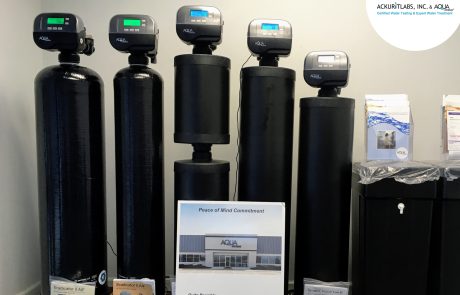
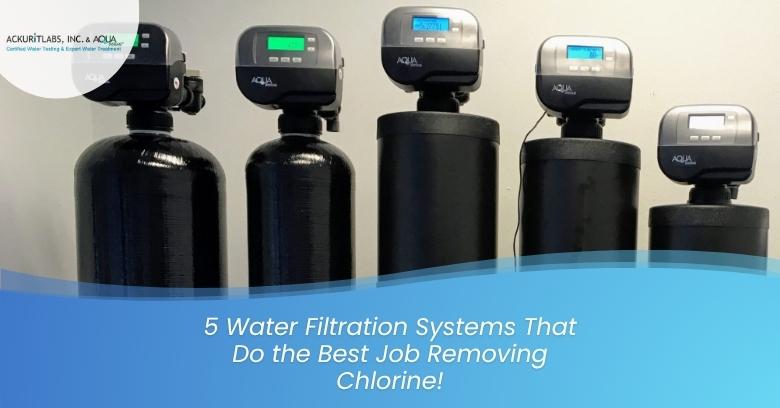
Filters based on carbon are the usual choice for chlorine taste and many household odors; a catalytic grade is often used where chloramine is the disinfectant. A saturated filter can release what it captured, which is why change schedules matter; keeping a date on the housing is a good habit.
Housings and Replaceable Elements: Keeping Spare Elements
Particle filters are the first stage in many systems, catching whatever would clog the rest, and the sequence is part of the design. Putting stages in the wrong order shortens the life of the costlier cartridge; a wrench for the housing is a worthwhile purchase.
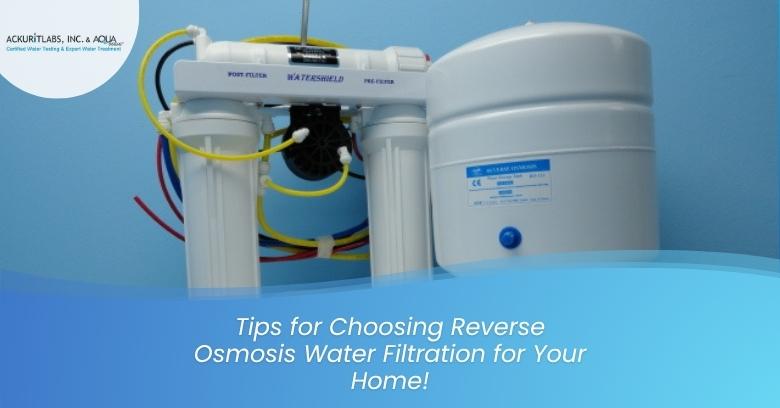
Membrane Systems: Where It Sits and What It Wastes
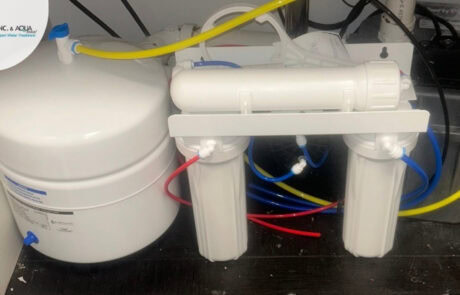
A small pump or the line pressure drives the flow through a membrane with extremely fine pores; the rejected stream runs to a drain, so a connection to the sink drain is part of the installation. Pre-filters protect the membrane, and replacing them on time protects the system, and a membrane may last for a long stretch if it is protected.
Injectors and Contact Tanks: Why Dose Control Matters
A pump, a tank and a backwashing filter form the heart of a chlorination setup; time in the tank is what makes the reaction complete. Residual chlorine has to be removed afterward, and a carbon filter normally takes that job, and chemical equipment is installed and set up with care.
Treating Everything or Just the Faucet – One Tap, One Sink, One Appliance
Whole-house layouts put one set of equipment ahead of every fixture; scale, iron and chlorine are the usual reasons to go this route. Many households combine both: a main-line device for scale and a sink model for taste; ask for a simple diagram of the plan.
Matching the Unit to the House – Pressure Drop and Pace
Equipment is rated by how fast supply can pass through it and by how much it can treat before servicing; high readings use up capacity faster. An undersized system forces flow past the media too fast, which weakens the result, and a vague one deserves a follow-up question.
Practical Requirements – Planning for Service Access
Valves around the equipment allow it to be taken out of service in minutes; the walk-through before work matters. Local plumbing and electrical rules may apply, and the installer is the one to know them; leave room to open the tank lid and swap a cartridge.
Wells Versus City Lines – Pressure Tanks and Pumps
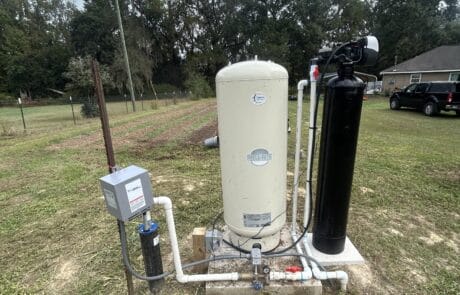
Supply from a public system arrives already disinfected, which changes what is left to fix; wells also bring a pump and a pressure tank into the plan. The provider needs to know which source feeds the house before suggesting anything; neighbors on the same aquifer can still differ.
When the Lights Go Out – Resetting the Clock and the Valve
Electronic valves keep time with the power, so a clock that resets can trigger recharges at odd hours, since a stuck valve is easier to catch early. A flooded system should be shut off and checked before use, since damage is not always visible; ask the installer what to do before a storm.
Living With the Equipment – Reaching the Controls
Most residential units are quiet, and the sounds they make are short bursts when a valve cycles or a recharge runs, which is worth thinking through before delivery. Some owners build a small enclosure, though it must not block air or access; a sketch of the space helps the planning.
Inherited Hardware: Test Before Deciding
A house may come with equipment that nobody remembers installing, so a look at the labels is the first step, and the readings guide whether to repair, keep or replace. Adding a stage to an existing setup requires attention to order, flow rate and pressure drop, and old manuals are worth saving.
Commercial Systems: Written Specifications
Restaurants, offices and apartment buildings draw far more than a house, and the gear is scaled to match; the existing mechanical room often decides what fits. Commercial owners usually want service records, so the system should make them easy to keep, because early warning beats a repair.
Maintenance Rhythm – Setting Reminders
Treatment is not a one-time purchase, since something wears out or runs low on every system; the manual lists intervals, though a heavy load shortens them. Noisy valves, salt bridges in the tank and slow flow are signs worth a look; an annual look at the controls is sensible.
Confirming the Result: When to Retest
Measurements taken after setup show the change in black and white, which matters for cartridges and media that wear. Expect a number lower than before, not necessarily a number of zero; the file is useful for a future sale.
What Equipment Cannot Do: Questions for Any Seller
Marketing language tends to be broader than what a product actually does; claims about results should point to a published test method. A fair provider will tell you when equipment is not the fix, or not the whole fix; nothing here replaces advice for your property.
Comparing Proposals: Details That Separate Good Plans
- Which readings on the report are meant to change, and which are not expected to; a specific answer is what you want.
- How is the unit set up at the start, and what will you be shown before the crew leaves, and how can questions be raised afterward.
- What does a retest look like, and when is it scheduled; ask about it before work starts.
Talking It Through: Bring What You Know
Speak with Ackuritlabs And Aqua Systems at 850-616-2634 and ask what to collect before any equipment is chosen.
What to Remember – the Sequence That Works
A dependable setup follows a sequence: measure the supply, pick equipment to suit, install it carefully and test again, and everything above about Commercial Water Treatment Company in Wakulla County Florida is general background, not a verdict. Questions are welcome at 850-616-2634, where Ackuritlabs And Aqua Systems can lay out the options, and share what the lab report shows.
Verified

Verified
Verified
Verified
Verified