Thinking About Water Filter Installation Around Florida Panhandle?
A treatment system is a tool for one job, so the job has to be named before the tool is picked, and the sections below cover sizing, setup and upkeep.
Dial Ackuritlabs And Aqua Systems at 850-616-2634 and describe the stains, scale or smells you want gone.
Diagnosis First – Reading the Problem Correctly
Equipment bought off a shelf may handle a different problem than the one at the tap; a sample sent to a laboratory turns a guess into a figure. If the history of the supply is unknown, a baseline panel is the sensible opener; skipping ahead is where most mismatches begin.
Ion Exchange – Swapping Minerals for Sodium or Potassium
Inside the tank, tiny resin beads attract the minerals that cause scale and give up sodium or potassium in return, and the stored brine is topped up with salt as needed. Scale buildup on heaters, kettles and shower heads slows down where hardness has been removed; the lab result still decides what else belongs in the plan.
Template-Assisted Units: No Drain, No Salt, Different Results
The minerals stay in the supply, but the device nudges them toward forming less scale on surfaces; they need no electricity in many designs. The results are described best as less crust, not no crust, and a good provider explains that before the purchase.
Activated Carbon: Chlorine, Odors and Organic Traces
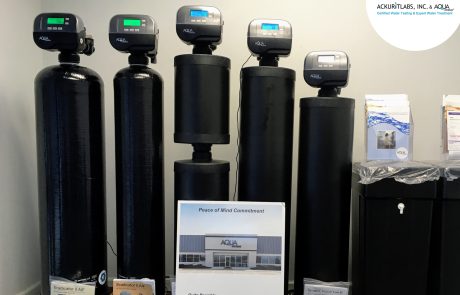
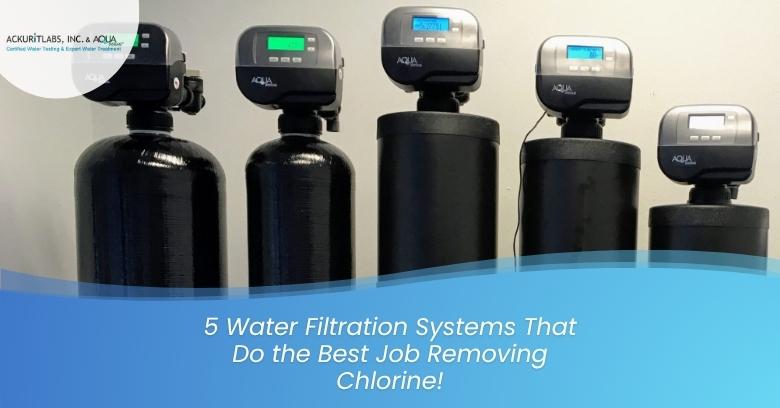
Carbon holds onto certain compounds as supply passes through, which cuts chlorine taste and some odors; it helps to know what the utility adds. Carbon has a limited capacity, and once it is spent, it stops doing its job, and the maker's change interval is a guide, not a promise.
Canisters on the Line – Why Order Matters
Particle filters are the first stage in many systems, catching whatever would clog the rest, and the sequence is part of the design. Carbon cartridges, including carbon block types, often sit downstream of the sediment stage; a wrench for the housing is a worthwhile purchase.
Membrane Systems – Storage Tank, Faucet and Drain
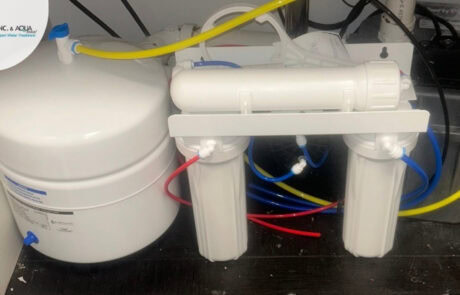
Dissolved solids stay on one side of the membrane and get flushed away; most home units sit under a sink and serve one tap. Some units add minerals back after the membrane to adjust taste; ask for the maintenance schedule in writing.
Chlorination: What the Installer Sets Up
A chlorine injector meters a small amount of disinfectant into the line ahead of a holding tank; time in the tank is what makes the reaction complete. A backwashing filter often follows, clearing the particles the reaction produces; chemicals are stored and handled according to the label.
Where the Equipment Sits: Planning the Pipe Run
Equipment where the supply enters the building protects all the plumbing downstream; the flow at the entry is worth measuring before ordering. Where only one fixture matters, a compact installation avoids treating the whole house, and the two approaches work well together.
Sizing: Room to Grow
Treating the household's peak demand, not its average, keeps pressure from dropping, along with the hardness or iron level on the lab report. When a unit is too small, pressure falls at fixtures during busy mornings; ask to see the numbers behind the recommendation.
Installation Details: Tying Into Existing Lines
Valves around the equipment allow it to be taken out of service in minutes; chlorine feed pumps and contact tanks add their own requirements. Local plumbing and electrical rules may apply, and the installer is the one to know them, and access for servicing should be planned from the start.
Two Starting Points: Chlorine Added or Not
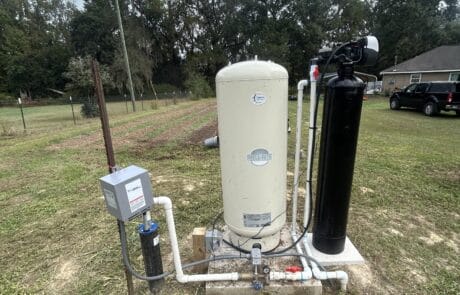
Private wells deliver untreated groundwater, which can carry iron, sulfur, hardness and microbes; wells also bring a pump and a pressure tank into the plan. The provider needs to know which source feeds the house before suggesting anything; neighbors on the same aquifer can still differ.
After an Outage: Controllers, Pumps and Flooding
A unit left without power may skip a scheduled recharge, which leaves the media tired when flow resumes, and the manual shows how to reset the controller. Anything touched by flooding, including a well pump and chemical feed gear, deserves a professional look; ask the installer what to do before a storm.
Day-to-Day Presence: Keeping the Area Tidy
A recharge brings gurgling and flowing noises for a spell, usually at a scheduled hour; clear floor space around a tank makes salt loading simple. A tidy installation labels valves, supports the plumbing and keeps the area dry, and the installer can suggest a layout.
An Older System in the Garage – Keep, Repair or Replace
Inherited hardware is worth examining before anything new is added, and the provider can often read the date code. Mixing parts from different makers is possible, though compatibility needs checking; ask for a plain list of what changes and what stays.
Larger Buildings and Heavier Demand: Duplex Tanks and Bigger Flows
Boilers, cooling equipment and ice makers can be sensitive to scale, which shapes the design; the existing mechanical room often decides what fits. Commercial owners usually want service records, so the system should make them easy to keep; a log of salt, media and filter changes helps.
Service Schedule: What Gets Neglected
Resin beads age slowly, and cartridges and pre-filters age quickly; a simple calendar reminder prevents most lapses. Bad smells from a filter housing mean it has gone too long; the provider can inspect and adjust.
The Second Sample: When to Retest
Comparing a new lab report against the original is how a household confirms the hardware did its job, which matters for cartridges and media that wear. Expect a number lower than before, not necessarily a number of zero; a short note on the equipment installed completes the record.
What Equipment Cannot Do – Matching Promises to Physics
Equipment performs within limits set by its design, the supply and the upkeep; ask for the specific substances a product addresses. A fair provider will tell you when equipment is not the fix, or not the whole fix; nothing here replaces advice for your property.
Comparing Proposals: Scope, Parts and Follow-Up
- Is the recommended size tied to the lab figures and the household's flow, and the proposal should say so on paper.
- Which local rules apply to this installation, and who handles them; ask for a copy of the manuals too.
- How will you know the equipment is working a few months from now; write the answers down.
Talking It Through – One Call Sorts Out Next Steps
Dial Ackuritlabs And Aqua Systems at 850-616-2634 to find out how a system would be planned and sized.
Bringing It Together: Next Steps
Good outcomes come from habits worth repeating: testing first, buying second and checking afterward; this page on Water Filter Installation in Florida Panhandle is a starting point, and the details of each property decide the rest. To get started, reach Ackuritlabs And Aqua Systems at 850-616-2634; the call goes quickly.