Looking for Water Softeners Across Crawfordville Florida?
Equipment gets chosen to fix a measured problem, and the fix is only as good as the diagnosis behind it, and the sections below cover sizing, setup and upkeep.
Call Ackuritlabs And Aqua Systems at 850-616-2634 and say whether the supply is a well or a city line.
Before Any Equipment – Reading the Problem Correctly
Orange stains, chalky scale and a swampy smell can each have a separate cause, and each calls for different gear, which keeps the proposal tied to evidence. A first conversation commonly ends with advice on what to sample before the next step; the equipment decision waits until the numbers are in.
Ion Exchange: a Bed of Beads and a Brine Tank
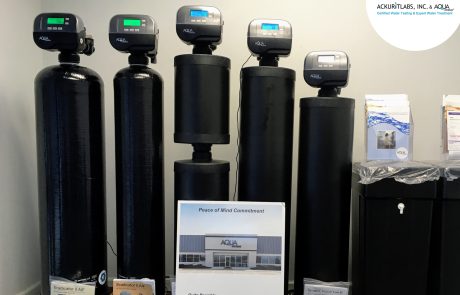
Inside the tank, tiny resin beads attract the minerals that cause scale and give up sodium or potassium in return, and a salt or potassium brine recharges the bed on a schedule. Less mineral reaching the pipes also means less deposit inside them, though a softener does little for iron staining beyond a modest level.
Scale Control Without Salt: an Honest Comparison
These devices work on how scale sticks, and they do not strip the minerals out, which suits some households and some local rules. The results are described best as less crust, not no crust, and a good provider explains that before the purchase.
Adsorption Media – Contact Time and Capacity
Surfaces inside the carbon grab onto particular chemicals, leaving a cleaner taste behind, and ordinary carbon handles free chlorine more easily than chloramine. A saturated filter can release what it captured, which is why change schedules matter; a taste that creeps back is the usual reminder.
Cartridges and Sediment Filters: Sizes, Ratings and Swaps
Particle filters are the first stage in many systems, catching whatever would clog the rest, and a smaller rating catches finer particles but clogs sooner. Carbon cartridges, including carbon block types, often sit downstream of the sediment stage; replacements are sold by size, so note the model.
Drinking Supply Upgrades: Where It Sits and What It Wastes
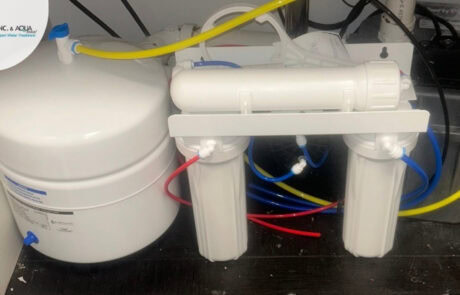
A membrane passes the liquid and rejects a large share of dissolved salts and other solids, and a small storage tank holds finished supply for the dedicated faucet. The reduction achieved depends on membrane condition, pressure and what is in the feed; ask for the maintenance schedule in writing.
Feeding Chlorine Into the Line: Why Dose Control Matters
A metering pump feeds sodium hypochlorite into the flow, and a tank gives it time to react; the chlorine oxidizes iron and sulfide into forms that can be filtered out. The final stage polishes taste and removes what remains of the disinfectant; dosing is not a do-it-yourself guess.
Where the Equipment Sits – Matching Scope to Need
Everything inside the building sees treated flow when equipment sits at the entry, and the machinery needs floor space near the main shutoff. Many households combine both: a main-line device for scale and a sink model for taste; ask for a simple diagram of the plan.
Flow Rate and Capacity: Room to Grow
Ratings printed on the label describe the equipment, and the installer matches them to the building; the number of bathrooms and people is part of the calculation. A well-matched system suits the building rather than the biggest model on offer; a reasoned answer is a good sign.
Plumbing, Power and Drain Needs – Planning for Service Access
A bypass lets the household isolate a unit without shutting off the whole supply; the walk-through before work matters. Whoever does the installation should be able to say what the local rules ask for; measure before ordering.
Supply Source Matters: Different Problems, Different Gear
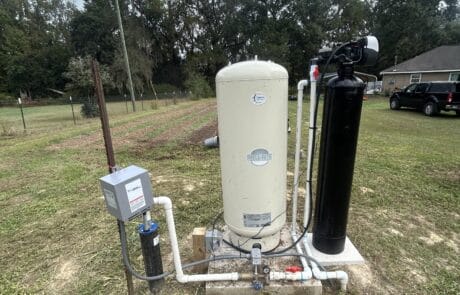
Private wells deliver untreated groundwater, which can carry iron, sulfur, hardness and microbes, whereas chlorine and chloramine lead the list on a city line. A carbon unit that suits a city line may be useless against the main problem of a well, and a lab report removes most of the guesswork.
Weather and the Equipment Room: Planning Before the Season
A unit left without power may skip a scheduled recharge, which leaves the media tired when flow resumes; a quick look at the salt level and the drain line completes the check. Silt in a housing, a wet motor or a corroded joint can turn a repair into a replacement; photographs taken before the season make later comparisons easier.
Day-to-Day Presence – Reaching the Controls
Noise from a unit tends to come from the drain line and the valve rather than the tanks; a garage, a utility closet or a pump house is the usual home. Some owners build a small enclosure, though it must not block air or access; a tank that cannot get through a doorway is a common surprise.
Working With Existing Equipment – Reading Old Labels
A house may come with equipment that nobody remembers installing, so a look at the labels is the first step, and the readings guide whether to repair, keep or replace. The simplest upgrade is often a fresh set of cartridges or media, not a new system; ask for a plain list of what changes and what stays.
Equipment for Operations: Written Specifications
Boilers, cooling equipment and ice makers can be sensitive to scale, which shapes the design; the survey of the site comes first. A property manager benefits from a maintenance plan that lists tasks, intervals and who does them, and it supports any later troubleshooting.
Upkeep: Salt, Cartridges and Media
Filters eventually clog, and carbon eventually saturates, so each has a replacement interval; keep the paperwork in one place. Bad smells from a filter housing mean it has gone too long; do not wait for a complete failure.
Proof After Installation: Tracking Performance
Comparing a new lab report against the original is how a household confirms the hardware did its job; a retest a few months in shows whether the system is holding. If a reading is still high, the report guides the next adjustment; a short note on the equipment installed completes the record.
Expectations Worth Setting – Read the Fine Print
Equipment performs within limits set by its design, the supply and the upkeep; read the data sheet, not just the front of the box. Anyone selling treatment equipment should be able to explain what it reduces and what it leaves alone; nothing here replaces advice for your property.
Questions for a Provider – Written Answers Preferred
- Which readings on the report are meant to change, and which are not expected to, and the proposal should say so on paper.
- Where will the drain, the power and the bypass go, and what will be cut or moved, and how can questions be raised afterward.
- What does a retest look like, and when is it scheduled, and what does it say about future servicing.
Start the Conversation – One Call Sorts Out Next Steps
Contact Ackuritlabs And Aqua Systems at 850-616-2634 to ask what a sensible first step would be for your supply.
Pulling the Threads: Test, Choose, Install, Confirm
Every lasting installation rests on a clear diagnosis, a suitable size and regular care, and everything above about Water Softeners in Crawfordville Florida is general background, not a verdict. Questions are welcome at 850-616-2634, where Ackuritlabs And Aqua Systems can lay out the options; mention whether the supply is a well or a utility line.
Verified

Verified
Verified
Verified
Verified