Thinking About Water Softening Service for a Property in Crawfordville Florida?
Each piece of hardware on the market answers a particular complaint, and none answers all of them, and the sections below explain how the common options differ.
Contact Ackuritlabs And Aqua Systems at 850-616-2634 to ask how an installation is planned.
Before Any Equipment – Reading the Problem Correctly
Orange stains, chalky scale and a swampy smell can each have a separate cause, and each calls for different gear; a sample sent to a laboratory turns a guess into a figure. Where no result exists yet, a provider can often suggest what to measure, and a short delay beats replacing the wrong unit.
Softening: a Bed of Beads and a Brine Tank
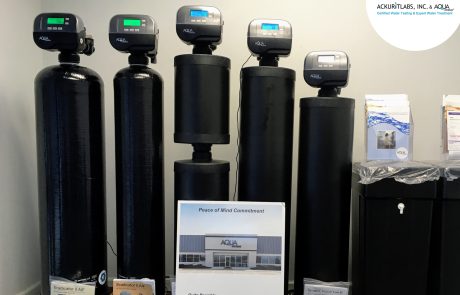
Hardness minerals stick to a charged resin, which swaps them for sodium or potassium ions, and a salt or potassium brine recharges the bed on a schedule. Less mineral reaching the pipes also means less deposit inside them; other equipment handles those jobs.
Conditioning Instead of Softening – Changing How Scale Forms
A salt-free unit does not remove calcium or magnesium; it alters how those minerals behave, and maintenance is limited to replacing the media on a schedule. Expect scale to be reduced rather than eliminated, and expect no change in how soap lathers, and a good provider explains that before the purchase.
Activated Carbon: Matching Carbon to the Target
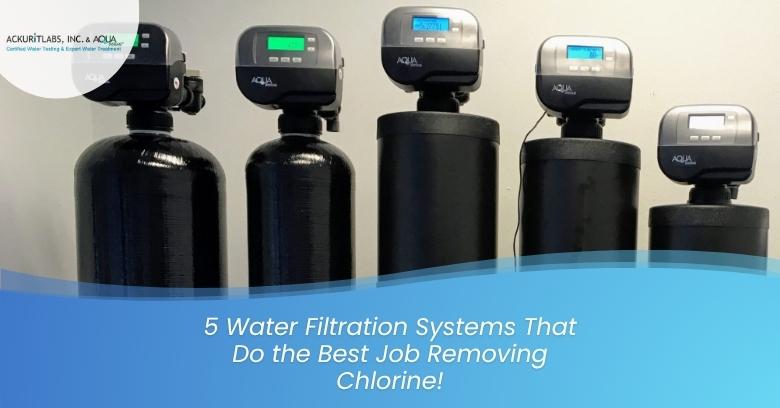
Porous carbon traps many organic molecules and chlorine on its surfaces as flow moves across them, and ordinary carbon handles free chlorine more easily than chloramine. Contact time and flow rate affect results, and a unit pushed too hard performs worse; a taste that creeps back is the usual reminder.
Canisters on the Line: Keeping Spare Elements
The simplest way to protect a pump, a softener or a fixture is usually a sediment screen ahead of it, and the sequence is part of the design. The installer chooses which element goes first, because a clogged first stage starves the rest; keep a spare cartridge on a shelf.
Membrane Systems: Where It Sits and What It Wastes
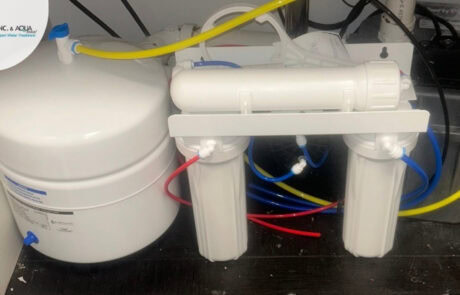
A membrane passes the liquid and rejects a large share of dissolved salts and other solids; the rejected stream runs to a drain, so a connection to the sink drain is part of the installation. A lab test before and after is the reliable way to know what a particular system achieves; a leak sensor is a sensible add-on.
Injectors and Contact Tanks: a Metering Pump and a Retention Tank
The setup pairs a feed pump with a retention tank so the chlorine has time to work; the chlorine oxidizes iron and sulfide into forms that can be filtered out. A backwashing filter often follows, clearing the particles the reaction produces, and the setup should be checked after the first weeks.
Point of Entry Versus Point of Use – Matching Scope to Need
Whole-house layouts put one set of equipment ahead of every fixture; scale, iron and chlorine are the usual reasons to go this route. Smaller units at one sink target what people drink, leaving the rest of the plumbing alone, and the two approaches work well together.
Sizing – Pressure Drop and Pace
The size of the housing and the volume of media set how much a system can handle, along with the hardness or iron level on the lab report. A well-matched system suits the building rather than the biggest model on offer; a reasoned answer is a good sign.
What the Job Requires – Planning for Service Access
Good installations include a way to route flow around the unit when needed; the walk-through before work matters. Local plumbing and electrical rules may apply, and the installer is the one to know them; leave room to open the tank lid and swap a cartridge.
Wells Versus City Lines: Different Problems, Different Gear
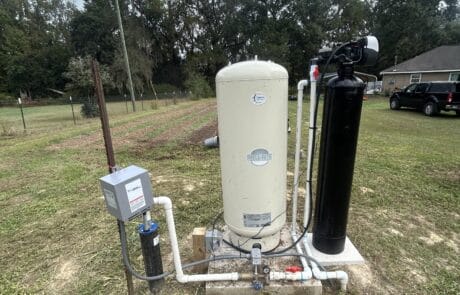
Supply from a public system arrives already disinfected, which changes what is left to fix; wells also bring a pump and a pressure tank into the plan. Because the two sources differ, the same product can be a great fit on one and wasted on the other, and a lab report removes most of the guesswork.
After an Outage: Planning Before the Season
Many controllers keep their program in memory for a short while, and then need to be set again; a quick look at the salt level and the drain line completes the check. Anything touched by flooding, including a well pump and chemical feed gear, deserves a professional look; photographs taken before the season make later comparisons easier.
Practical Details Homeowners Ask About: Tanks, Hums and Cabinets
Most residential units are quiet, and the sounds they make are short bursts when a valve cycles or a recharge runs; clear floor space around a tank makes salt loading simple. Sunlight can damage clear housings and warm the supply, so shade is sensible outdoors, and the provider should ask about access.
Inherited Hardware: Planning a Sensible Sequence
Older units may still work but have worn parts, such as seals, valves, resin or membranes, which helps weigh a repair against a new unit. Mixing parts from different makers is possible, though compatibility needs checking, and old manuals are worth saving.
Equipment for Operations: Written Specifications
Boilers, cooling equipment and ice makers can be sensitive to scale, which shapes the design; the existing mechanical room often decides what fits. Training the people on site about shutoffs and alarms prevents small problems from growing; ask what monitoring the equipment offers.
Routine Care – Setting Reminders
Every type of equipment has a consumable: salt for softeners, cartridges for filters, membranes for osmosis units; a simple calendar reminder prevents most lapses. Warning signs include a return of the old taste, scale reappearing and a drop in pressure; an annual look at the controls is sensible.
Proof After Installation – Numbers, Not Impressions
Measurements taken after setup show the change in black and white; schedule it when the system goes in. If a reading is still high, the report guides the next adjustment; store copies where they can be found.
What Equipment Cannot Do – Read the Fine Print
Equipment performs within limits set by its design, the supply and the upkeep; ask how that is demonstrated. Honest answers sound specific, and vague answers sound like a sales line, and a plain no is sometimes the most useful answer.
What to Ask at the Door: Points Worth Raising
- What does the proposal assume about hardness, iron and chlorine, and where did those figures come from, and what stays the same afterward.
- How is the unit set up at the start, and what will you be shown before the crew leaves; clear scope prevents surprises.
- Which items are checked on a routine visit, and which need special tools; each of these is worth asking.
Planning a System – One Call Sorts Out Next Steps
Phone Ackuritlabs And Aqua Systems at 850-616-2634 to ask what a sensible first step would be for your supply.
Bringing It Together: Next Steps
Matching a device to a lab result, sizing it to the building and keeping up with upkeep is the whole recipe, and everything above about Water Softening Service in Crawfordville Florida is general background, not a verdict. You can speak with Ackuritlabs And Aqua Systems at 850-616-2634 about your plumbing and your goals; the details you share shape the advice.
Verified

Verified
Verified
Verified
Verified