Need Water Softener Installation Across Florida Panhandle?
Each piece of hardware on the market answers a particular complaint, and none answers all of them; the sections below describe what each option does and where it stops.
Speak with Ackuritlabs And Aqua Systems at 850-616-2634 and describe the stains, scale or smells you want gone.
Where Treatment Begins – Reading the Problem Correctly
Taste and appearance narrow the field, though only a lab report settles it, which keeps the proposal tied to evidence. Where no result exists yet, a provider can often suggest what to measure; patience at this stage tends to save money later.
The Salt-Based Softener: a Bed of Beads and a Brine Tank
A conventional softener passes the supply through a bed of resin beads that grab calcium and magnesium; the unit needs a drain line and a power outlet. Less mineral reaching the pipes also means less deposit inside them, and it will not change the taste of the supply on its own.
Conditioning Instead of Softening: an Honest Comparison
The minerals stay in the supply, but the device nudges them toward forming less scale on surfaces, though results vary with the water and the model. Because the minerals remain, soap and shampoo behave as they would on hard supply, and it helps compare options fairly.
Taste and Odor Control: Matching Carbon to the Target
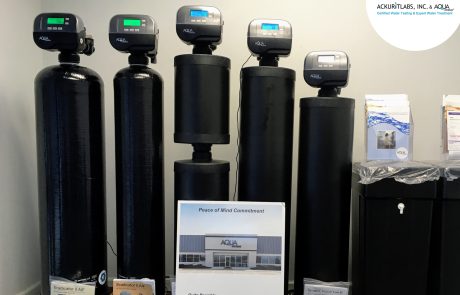
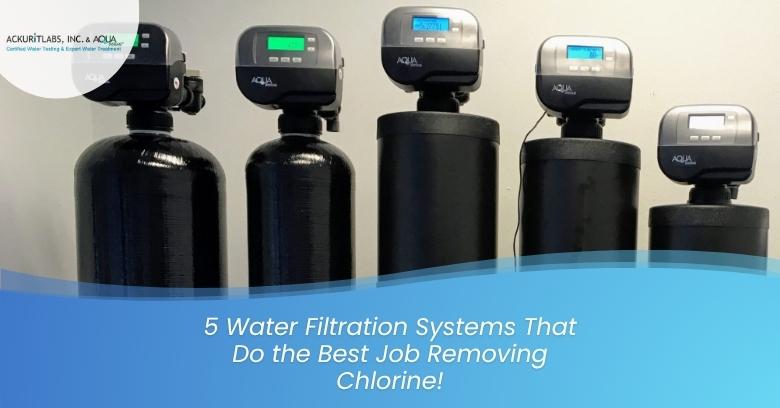
Surfaces inside the carbon grab onto particular chemicals, leaving a cleaner taste behind, and ordinary carbon handles free chlorine more easily than chloramine. A saturated filter can release what it captured, which is why change schedules matter; keeping a date on the housing is a good habit.
Canisters on the Line – Why Order Matters
A housing on the line holds a cartridge that screens out particles above a chosen size; a series of coarse then fine elements spreads the load. A carbon cartridge installed in the same housing style handles taste while the sediment unit handles grit; keep a spare cartridge on a shelf.
High-Pressure Polishing: Where It Sits and What It Wastes
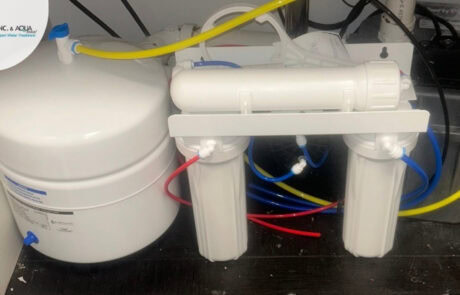
A small pump or the line pressure drives the flow through a membrane with extremely fine pores; most home units sit under a sink and serve one tap. Pre-filters protect the membrane, and replacing them on time protects the system, and the reject volume is worth asking about.
Feeding Chlorine Into the Line: a Metering Pump and a Retention Tank
A pump, a tank and a backwashing filter form the heart of a chlorination setup, and the dose is set from lab readings. A backwashing filter often follows, clearing the particles the reaction produces, and chemical equipment is installed and set up with care.
Point of Entry Versus Point of Use: Choosing the Footprint
A unit at the main line treats every tap, the shower, the washer and the water heater, and the machinery needs floor space near the main shutoff. Smaller units at one sink target what people drink, leaving the rest of the plumbing alone, and it shows which walls and lines are involved.
Matching the Unit to the House: Gallons per Minute and Grains
Treating the household's peak demand, not its average, keeps pressure from dropping; a unit that is too small shortens the time between regenerations. Oversizing has drawbacks too, since idle media can foul and extra tanks need space, and an installer should explain why a particular size was chosen.
Space and Connections: Tying Into Existing Lines
Most systems need a bypass valve so the plumbing can keep flowing during service, and electrical needs vary from a plug-in transformer to a dedicated circuit. Whoever does the installation should be able to say what the local rules ask for; leave room to open the tank lid and swap a cartridge.
Wells Versus City Lines: Different Problems, Different Gear
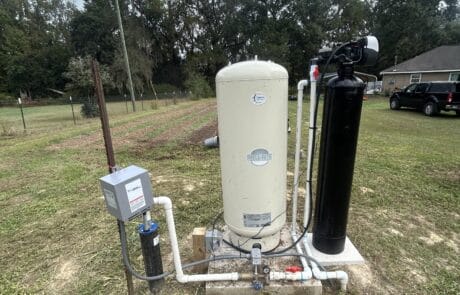
Raw well supply brings the chemistry of the ground straight to the plumbing, whereas chlorine and chloramine lead the list on a city line. A quick description of the plumbing path is enough to start the right conversation, and a lab report removes most of the guesswork.
When the Lights Go Out: What to Check Afterward
Many controllers keep their program in memory for a short while, and then need to be set again; a quick look at the salt level and the drain line completes the check. If floodwater covered the wellhead, the supply itself needs a fresh lab sample; ask the installer what to do before a storm.
Noise, Space and Appearance: Garages, Closets and Mechanical Rooms
Most residential units are quiet, and the sounds they make are short bursts when a valve cycles or a recharge runs, and the location is chosen to keep lines short and service easy. Sunlight can damage clear housings and warm the supply, so shade is sensible outdoors; a sketch of the space helps the planning.
Replacement and Add-Ons – Reading Old Labels
Older units may still work but have worn parts, such as seals, valves, resin or membranes, and the readings guide whether to repair, keep or replace. New components usually have to fit the pipe sizes, the pressure and the drain already in place, and old manuals are worth saving.
Equipment for Operations: Duplex Tanks and Bigger Flows
Commercial installations are usually specified on paper, with flow rates and targets spelled out; the existing mechanical room often decides what fits. Training the people on site about shutoffs and alarms prevents small problems from growing, and the provider can supply those if asked.
Routine Care – Setting Reminders
Treatment is not a one-time purchase, since something wears out or runs low on every system; the manual lists intervals, though a heavy load shortens them. Bad smells from a filter housing mean it has gone too long; an annual look at the controls is sensible.
Closing the Loop – Filing the Evidence
A sample collected after the system is running shows whether the problem was solved; a retest a few months in shows whether the system is holding. Expect a number lower than before, not necessarily a number of zero; a short note on the equipment installed completes the record.
Limits to Keep in Mind: Questions for Any Seller
No single device removes every substance, and a pitch that one box covers everything deserves doubt; ask for the specific substances a product addresses. If a proposal does not mention the lab results, ask how it was reached; nothing here replaces advice for your property.
Comparing Proposals: Scope, Parts and Follow-Up
- Which lab results is the proposal based on, and which items does it address; ask for the reasoning in writing.
- How is the unit set up at the start, and what will you be shown before the crew leaves, and how can questions be raised afterward.
- Which items are checked on a routine visit, and which need special tools; write the answers down.
Start the Conversation: Questions Are the Starting Point
Speak with Ackuritlabs And Aqua Systems at 850-616-2634 and ask what to collect before any equipment is chosen.
In Plain Terms – the Sequence That Works
Every lasting installation rests on a clear diagnosis, a suitable size and regular care, because each property in Florida Panhandle has its own story, whatever any page says about Water Softener Installation. You can speak with Ackuritlabs And Aqua Systems at 850-616-2634 about your plumbing and your goals; mention whether the supply is a well or a utility line.