Shopping for Water Softening for a Property in Greenville Florida?
Matching the device to the finding is what separates a useful installation from a blind guess; the sections below put the options in plain language.
Call Ackuritlabs And Aqua Systems at 850-616-2634 and describe the stains, scale or smells you want gone.
Where Treatment Begins: a Lab Number Beats a Guess
Equipment bought off a shelf may handle a different problem than the one at the tap, and the figure is what a provider uses to size and pick the unit. Even a brief description of the symptoms helps decide which measurements to order; skipping ahead is where most mismatches begin.
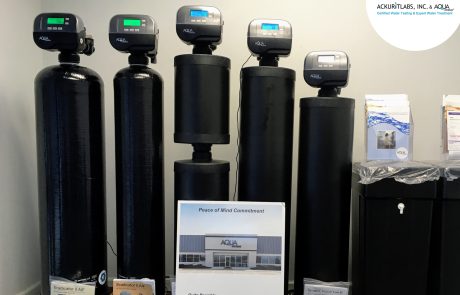
Softening: a Bed of Beads and a Brine Tank
The beads in a softener hold hardness minerals until they are rinsed clean, and the stored brine is topped up with salt as needed. Laundry and dishes tend to come out cleaner where the minerals have been removed, and it will not change the taste of the supply on its own.
Conditioning Instead of Softening – Setting Expectations
The minerals stay in the supply, but the device nudges them toward forming less scale on surfaces; people choose these devices to avoid salt, brine discharge and a drain connection. Expect scale to be reduced rather than eliminated, and expect no change in how soap lathers, and it helps compare options fairly.
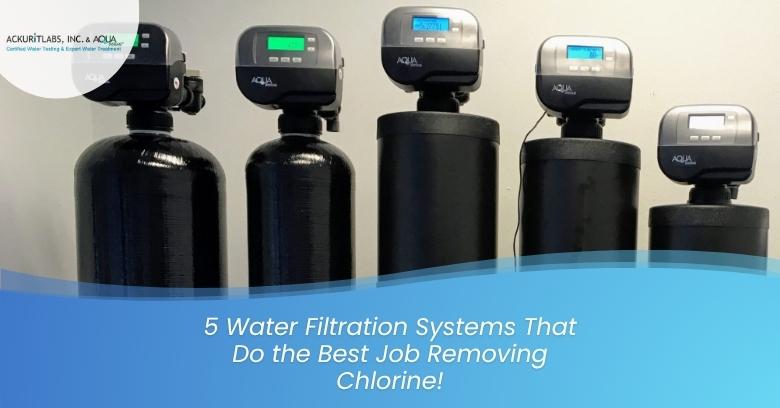
The Charcoal Option: Matching Carbon to the Target
Surfaces inside the carbon grab onto particular chemicals, leaving a cleaner taste behind; each type of carbon targets specific compounds, so the media is picked to suit the finding. A saturated filter can release what it captured, which is why change schedules matter, and the maker's change interval is a guide, not a promise.
The Filter Under the Cap – Why Order Matters
The simplest way to protect a pump, a softener or a fixture is usually a sediment screen ahead of it, and a smaller rating catches finer particles but clogs sooner. Pressure falls as an element loads up, which is the practical signal to swap it; a wrench for the housing is a worthwhile purchase.
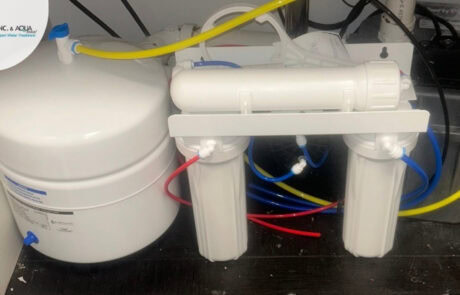
High-Pressure Polishing: Pressure, Membrane and Reject Stream
A small pump or the line pressure drives the flow through a membrane with extremely fine pores; most home units sit under a sink and serve one tap. A lab test before and after is the reliable way to know what a particular system achieves; a leak sensor is a sensible add-on.
Injectors and Contact Tanks: What the Installer Sets Up
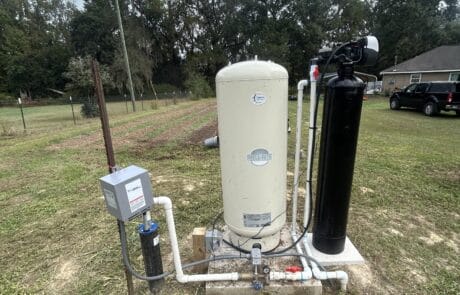
Where a well carries iron, sulfur or microbes, injecting chlorine is a long-established approach; time in the tank is what makes the reaction complete. A backwashing filter often follows, clearing the particles the reaction produces, and chemical equipment is installed and set up with care.
Scope of a System – Matching Scope to Need
Point-of-entry installations deal with problems that affect the entire plumbing system, and the machinery needs floor space near the main shutoff. Single-tap filters and membranes work where only drinking supply needs the extra step; a layout on paper avoids surprises.
Peak Demand Math: What Undersizing Looks Like
The size of the housing and the volume of media set how much a system can handle; the number of bathrooms and people is part of the calculation. When a unit is too small, pressure falls at fixtures during busy mornings; ask to see the numbers behind the recommendation.
Space and Connections: Bypass Valves, Drains and Outlets
Valves around the equipment allow it to be taken out of service in minutes; chlorine feed pumps and contact tanks add their own requirements. Whoever does the installation should be able to say what the local rules ask for, and access for servicing should be planned from the start.
What Changes by Source: Planning Around the Source
A well has no utility between it and the tap, so equipment often handles more of the load, and equipment has to work with the pump's pressure and flow. A carbon unit that suits a city line may be useless against the main problem of a well, and a lab report removes most of the guesswork.
When the Lights Go Out – Resetting the Clock and the Valve
Electronic valves keep time with the power, so a clock that resets can trigger recharges at odd hours, and the manual shows how to reset the controller. A flooded system should be shut off and checked before use, since damage is not always visible; ask the installer what to do before a storm.
Living With the Equipment: Tanks, Hums and Cabinets
Most residential units are quiet, and the sounds they make are short bursts when a valve cycles or a recharge runs; clear floor space around a tank makes salt loading simple. Equipment is easiest to live with when the controls and the drain sit where a person can reach them; a tank that cannot get through a doorway is a common surprise.
Replacement and Add-Ons – Keep, Repair or Replace
A house may come with equipment that nobody remembers installing, so a look at the labels is the first step, and the provider can often read the date code. A sediment screen or a carbon stage can often be added without replacing everything; nothing is replaced without a reason.
Equipment for Operations: Boilers, Ice Machines and Kitchens
Commercial installations are usually specified on paper, with flow rates and targets spelled out, and a controller can log regeneration cycles. Training the people on site about shutoffs and alarms prevents small problems from growing; ask what monitoring the equipment offers.
Service Schedule: Signs a Unit Needs Attention
Every type of equipment has a consumable: salt for softeners, cartridges for filters, membranes for osmosis units; the manual lists intervals, though a heavy load shortens them. Noisy valves, salt bridges in the tank and slow flow are signs worth a look, and a retest confirms the numbers.
Verifying What Changed – Filing the Evidence
Measurements taken after setup show the change in black and white; collecting at the same tap, in the same way, keeps the comparison fair. Some substances respond well and others hardly at all, which the new figures reveal, and keeping both reports together tells the story.
Honest Limits: Questions for Any Seller
Marketing language tends to be broader than what a product actually does; compare the data sheet with your lab report. Honest answers sound specific, and vague answers sound like a sales line, and the same standard applies to anything written on this page.
Before You Sign – Written Answers Preferred
- Which lab results is the proposal based on, and which items does it address, and what stays the same afterward.
- Who installs the equipment, and who services it after the job is done; get the details itemized.
- Where should the paperwork for the system be stored; write the answers down.
Planning a System: Bring What You Know
Phone Ackuritlabs And Aqua Systems at 850-616-2634 to find out how a system would be planned and sized.
In Plain Terms: Matching Hardware to the Finding
The reliable path runs from a lab figure, through a sensible choice of equipment, to a retest that shows the change, because each property in Greenville Florida has its own story, whatever any page says about Water Softening. Call 850-616-2634 to reach Ackuritlabs And Aqua Systems and talk over your situation; the details you share shape the advice.
Verified

Verified
Verified
Verified
Verified