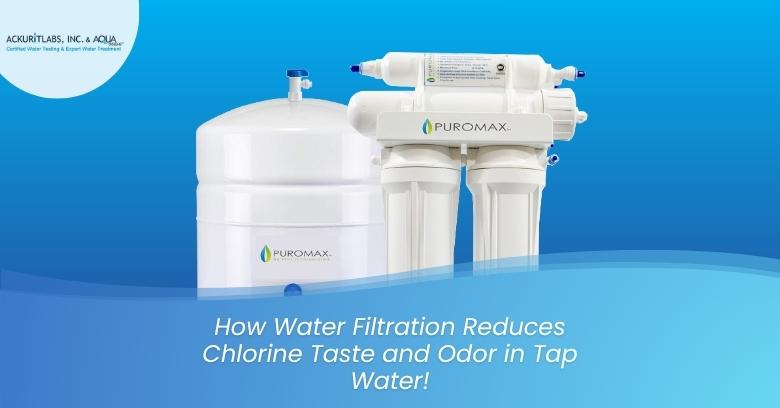
Turning on the kitchen faucet and getting a glass of water that smells like a swimming pool is one of the most common complaints homeowners raise about their municipal water supply. That chlorine taste and odor are not dangerous in the small amounts used for public water disinfection, but they can make water genuinely unpleasant to drink, cook with, or even bathe in. For families tired of masking the smell with pitcher filters that need constant replacing or who want to understand why their water tastes different from one season to the next, understanding the science behind chlorine and how water filtration works is the first step toward a real solution.
This matters right now because more homeowners and commercial building owners are paying closer attention to what comes out of their taps. Municipal water treatment plants rely on chlorine and chloramine to keep water safe from bacteria and pathogens as it travels through miles of pipe, but that same chemical protection can leave behind a taste and smell that lingers long after the water reaches the property.
A properly designed water filtration system addresses this problem at the point of entry or point of use, giving residents cleaner-tasting water without sacrificing the safety benefits chlorine provides during transport. This article explains why chlorine ends up in tap water, how water filtration removes it, what options exist for homes and businesses, and what residents of Tallahassee Florida and neighboring Perry should know before choosing a system.
Why Chlorine Ends Up in Tap Water
Public water utilities add chlorine or chloramine to drinking water supplies to disinfect them. This step is essential for controlling bacteria, viruses, and other microorganisms that could otherwise cause illness. Without it, water traveling through aging distribution pipes over long distances would be far more vulnerable to contamination.
The tradeoff is that chlorine has a distinct taste as well as odor and the concentration a utility uses can vary by season, source water, and distance from the treatment plant. For example, homes located near the end of a distribution line sometimes receive water with a stronger chlorine smell because utilities increase dosing to keep disinfectant levels adequate throughout the system.
Common Factors That Intensify the Smell
Several conditions tend to make chlorine odor more noticeable in a home's water supply:
- Hot weather months, when utilities often increase chlorine dosing to counteract faster bacterial growth in warmer water.
- Older plumbing systems that react with residual chlorine, sometimes amplifying odor.
- Water heaters that can trap and concentrate chlorine byproducts if not flushed regularly.
- Proximity to the treatment plant versus distance through the distribution network.
- Seasonal shifts in source water quality that require utilities to adjust treatment levels.
Understanding these factors helps explain why a household might notice chlorine odor intensify at certain times of year, even when nothing has changed inside the home itself.
How Water Filtration Removes Chlorine Taste and Odor
Water filtration works by physically and chemically separating chlorine and its byproducts from water before it reaches a faucet, showerhead, or appliance. The most common and effective method for chlorine reduction is activated carbon filtration, which uses a highly porous material to adsorb chlorine molecules as water passes through it. This process does not just mask the smell; it removes the compounds responsible for it.
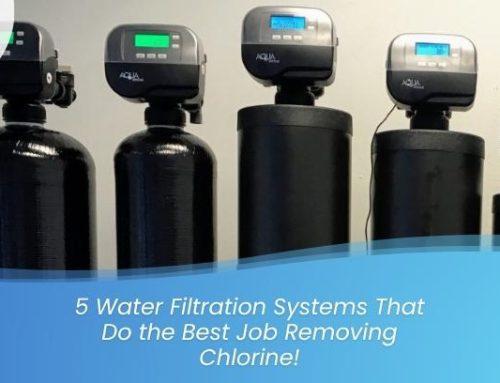
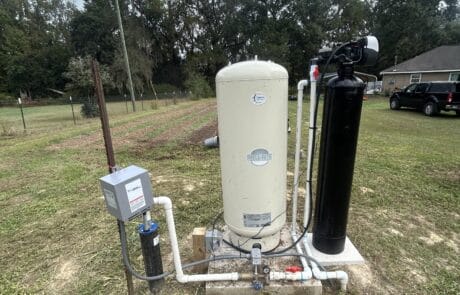
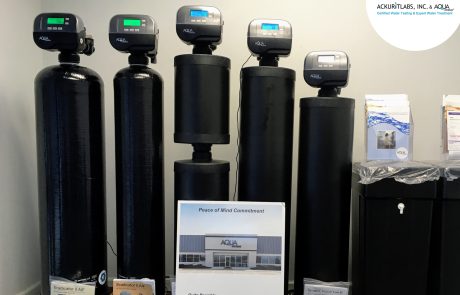
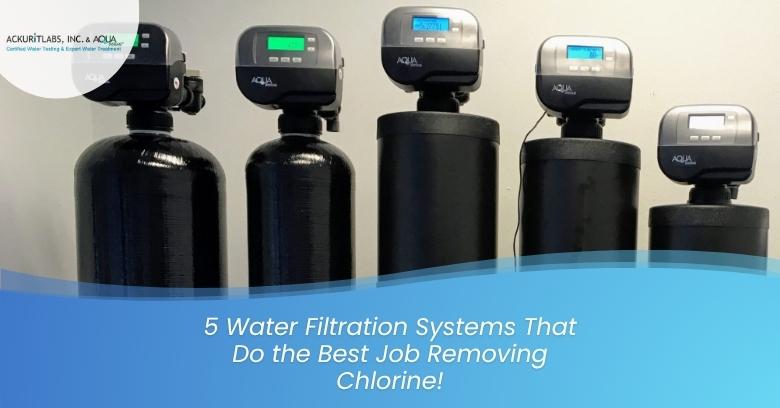
Depending on the setup, you can install a water filtration system at a single point of use, such as under the kitchen sink, or as a whole-house system that treats water as it enters the property. Whole-house systems are particularly effective because they address chlorine taste and odor at every tap, shower, and appliance, rather than just one location.
Types of Water Filtration Systems for Chlorine Reduction
Homeowners and commercial building owners generally have a few proven options to choose from:
- Carbon block filters, which offer dense water filtration media that is highly effective at reducing chlorine, sediment, and some organic compounds.
- Granular activated carbon systems, often used in whole-house applications because they allow higher water flow rates while still reducing chlorine taste and odor.
- Catalytic carbon filters, specifically designed to target chloramine, which is more resistant to standard carbon filtration than chlorine alone.
- Combination systems that pair carbon filtration with sediment pre-filters to extend the life of the carbon media and improve overall water clarity.
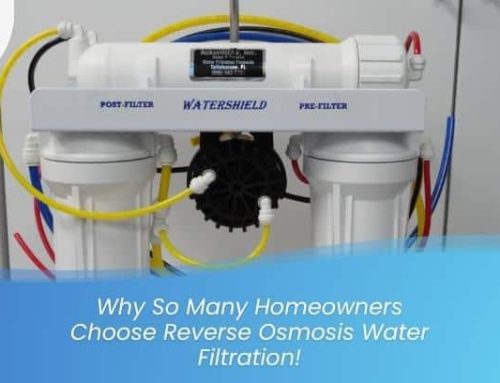
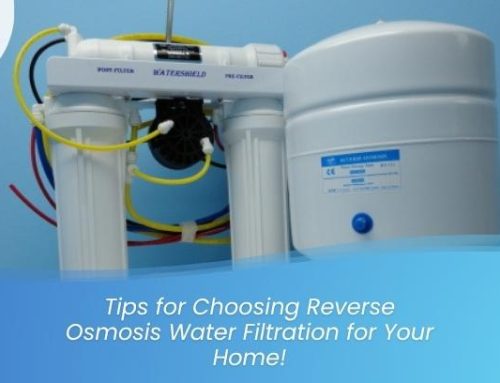
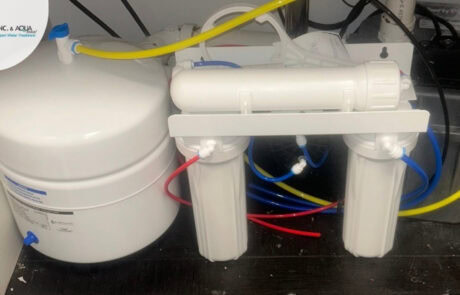
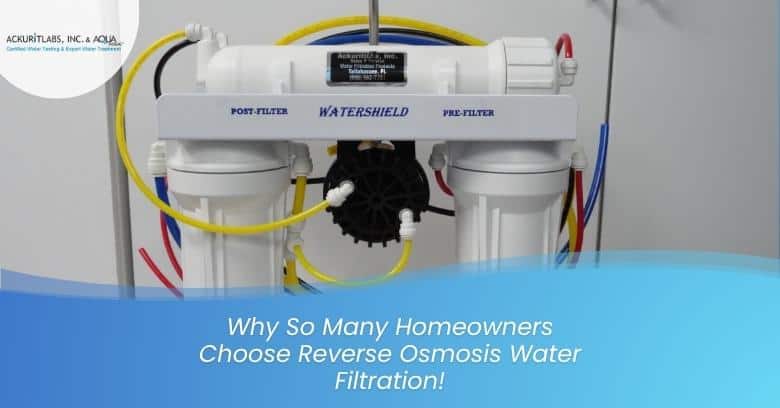
- Reverse osmosis systems, which combine carbon filtration stages with a semipermeable membrane for additional contaminant reduction beyond taste and odor.
Each approach has strengths depending on the area's water chemistry, daily water volume, and whether the priority is drinking water quality alone or treatment for the entire building.
Why Local Water Chemistry Matters
No two municipal water supplies are identical, so a water filtration system that works well in one city might need to be configured differently in another. Water sourced from surface reservoirs behaves differently than groundwater drawn from wells or aquifers and the disinfection approach a utility uses will influence how strong the chlorine taste and odor is likely to be.
In Tallahassee Florida, much of the municipal water supply comes from the Floridan Aquifer, and the utility applies chlorine treatment to keep the water safe as it travels through the distribution system. Homeowners in Tallahassee sometimes notice a more pronounced chlorine smell during certain months, which is a normal response to seasonal treatment adjustments rather than a sign of an unsafe water supply. A properly sized water filtration system for a home's water usage can substantially reduce that seasonal fluctuation in taste and odor.
Perry Florida, a smaller community with its own water infrastructure, presents a somewhat different water chemistry profile. Homeowners and business owners in Perry may deal with a combination of mineral content and chlorine treatment that affects both taste and how efficiently soap and detergents work in the home. Because Perry's water supply characteristics can differ from those in larger nearby cities, testing the water before choosing a treatment approach is a practical first step, not an optional one.
Comparing Needs Across Communities
The differences between Tallahassee and Perry Florida illustrate why a one-size-fits-all approach to water treatment rarely delivers the best results:
- Larger municipal systems like those serving the Tallahassee area often have more consistent but variable seasonal chlorine dosing across a large distribution network.
- Smaller systems such as those in Perry may have more localized water chemistry issues tied to well sources or aging infrastructure.
- Commercial buildings in either location typically require higher-capacity water filtration system designs than single-family homes due to volume demands.
- Homes with older plumbing in both areas may experience more odor complaints, which a professional evaluation can help diagnose.
That is why a water test, not guesswork, should guide the decision about which system makes sense for a specific property.
The Role of Water Testing Before Choosing a System
Selecting the right water filtration system starts with knowing exactly what is in the water supply. Chlorine taste and odor might be the most noticeable issue, but a comprehensive water test can reveal other factors, such as hardness minerals, iron content, or bacteriological concerns, that should factor into the treatment plan. Skipping this step often leads homeowners to invest in equipment that is either oversized, undersized, or not designed to address the specific issue present in their water.
A laboratory-backed water test provides detail that a basic at-home kit cannot match. Certified labs employ chemists and microbiologists who can identify not just chlorine levels but a broader range of chemical and biological factors that affect water quality. This kind of analysis becomes especially valuable for commercial building owners who may face regulatory requirements around water quality in addition to the comfort concerns that drive most residential decisions.
For homeowners who want a quick first look at their water quality, bringing in a sample for a free in-store water test focused on hardness is a simple way to get an immediate read before committing to a larger testing package. This preliminary check can help residents in both Tallahassee Florida and nearby Perry decide whether a fuller lab analysis is warranted based on the initial screening.
What to Expect During Installation and Maintenance
Once testing confirms the best approach, installing a water filtration system is generally a straightforward process for a qualified technician. The timeline and complexity depend on whether the system is a single point-of-use unit or a whole-house solution.
Installation Considerations
Homeowners should expect the following during a typical installation:
- An assessment of the home's plumbing layout to determine the ideal placement for the system, typically near the main water line for whole-house units.
- Verification of water pressure and flow rate to be sure the chosen water filtration system will not restrict water supply to fixtures and appliances.
- Installation of pre-filters or sediment filters if the water testing revealed particulate matter that could shorten the serviceable life of the carbon media.
- A final water quality check after installation to confirm chlorine taste and odor have been effectively reduced.
Ongoing Maintenance
A water filtration system is not an install-it-and-forget-it solution. Carbon media has a finite serviceable life and needs to be replaced on a schedule based on water usage and the level of chlorine or chloramine present in the source water. Neglecting this maintenance can reduce effectiveness over time and in some cases, overdue filters can contribute to bacterial growth rather than preventing it. Building a simple maintenance schedule, whether that means replacing cartridges every few months or scheduling a professional inspection annually, keeps the system performing as intended.
Benefits Beyond Taste and Odor
While reducing chlorine taste and odor is often the reason homeowners first look into water filtration, the benefits extend further once a system is in place.
- Improved taste makes it easier for families to stay hydrated by drinking more water directly from the tap rather than relying on bottled alternatives.
- Reduced chlorine exposure during showering, since hot water can release chlorine vapor that some people find irritating to the skin or respiratory system.
- Better-tasting water for cooking, particularly for dishes like coffee, tea, and soups where chlorine flavor is easily detected.
- Extended appliance serviceable life, since reduced chlorine and sediment levels can lessen wear on dishwashers, coffee makers, and ice machines.
- Peace of mind for commercial building owners who want to offer clean-tasting water to employees, tenants, or customers without relying on bottled water programs.
These advantages make a strong case for viewing water filtration not as a luxury but as a practical upgrade for both residential and commercial properties.
Choosing a Qualified Water Treatment Provider
Not every water treatment company brings the same level of scientific rigor to the process. Because chlorine taste and odor issues can sometimes mask or coincide with other water quality concerns, working with a provider who combines laboratory testing with hands-on treatment experience offers a more complete picture than relying on treatment alone. A provider with certified chemists and microbiologists on staff can interpret test results accurately and recommend a water filtration system that matches the water's actual chemistry, not a generic solution.
For residents of Tallahassee and Perry Florida, working with a locally established provider also means the recommendations account for the specific water sources and treatment practices used by nearby municipal utilities. A provider unfamiliar with regional water conditions may recommend equipment that works well elsewhere but underperforms against local chlorine dosing patterns or mineral content.
Closing Thoughts
Chlorine taste and odor in tap water is a common frustration, but it is also one of the most solvable water quality issues homeowners and commercial building owners face. With accurate water testing and a properly matched water filtration system, most properties can eliminate that swimming-pool smell and taste without sacrificing the safety benefits chlorine provides during water treatment and distribution. Residents of Tallahassee and Perry Florida can access water testing and treatment options suited to their specific municipal water sources, and testing first removes the guesswork from choosing equipment. Acting sooner rather than later means enjoying better-tasting water at every tap, protecting appliances from unnecessary wear, and avoiding the ongoing cost of bottled water as a workaround. The right water filtration unit, backed by proper testing and maintenance, turns an everyday annoyance into a fully resolved problem!
Key Takeaways
- Municipal water supplies add chlorine and chloramine for safety, but they leave behind a taste and odor many homeowners find unpleasant.
- Activated carbon filtration is the most effective way to remove chlorine taste and odor, whether installed as a point-of-use or whole-house system.
- Local water chemistry varies significantly by community, so testing before installation makes sur the treatment approach matches actual conditions.
- Regular maintenance, including timely filter replacement, is essential to keep any water treatment system performing effectively over time.
- A free in-store water test can offer a quick initial screening for hardness, helping homeowners decide if a fuller laboratory analysis is needed.
- Working with a provider who combines certified lab testing with practical treatment experience leads to more accurate, longer-lasting solutions.
Frequently Asked Questions
Why does my tap water suddenly smell stronger of chlorine than usual?
This usually happens because municipal utilities adjust chlorine dosing seasonally, often increasing it during warmer months to control bacterial growth. It does not necessarily mean anything is wrong with your home's plumbing, but a water test can confirm chlorine levels if the smell seems unusually strong.
Is chlorine in tap water actually harmful to drink?
At the levels used by municipal treatment plants, chlorine is considered safe for consumption and is essential for preventing waterborne illness. Some people are more sensitive to the taste and smell, which is where a treatment system can help improve daily comfort.
What is the difference between a whole-house system and an under-sink filter?
A whole-house system treats water as it enters the property, addressing chlorine taste and odor at every faucet, shower, and appliance, while an under-sink filter only treats water at one location, typically the kitchen. The right choice depends on whether the concern is limited to drinking water or extends to bathing and household use throughout the home.
How often does the filter media need to be replaced?
Replacement schedules depend on water usage volume and the concentration of chlorine or chloramine in the source water, but most residential systems require carbon media replacement every few months to a year. A professional inspection can help establish a maintenance schedule tailored to a specific household's usage patterns.
Can a water filtration system remove chloramine as well as chlorine?
Standard carbon filters can reduce chloramine, but it typically requires more contact time or a catalytic carbon media designed specifically for that purpose. Confirm this detail during system selection, since chloramine is more resistant to removal than chlorine alone.
Do I need a water test before installing a treatment system?
Yes, testing is strongly recommended because it identifies the water's specific chemical and mineral makeup rather than relying on assumptions. A proper test helps determine whether chlorine is the only concern or whether hardness, iron, or other factors should also be addressed in the treatment plan.
How is water quality different between Tallahassee and Perry Florida?
Tallahassee largely draws water from the Floridan Aquifer with treatment adjusted seasonally, while Perry's smaller system may have different mineral content and localized infrastructure considerations. These differences mean a water filtration system suited for one community may need adjustments to perform equally well in the other.
Will a water filtration system also help with hard water or only chlorine?
It depends on the system type, since carbon filtration primarily targets chlorine taste and odor rather than hardness minerals. Homeowners dealing with both issues often benefit from a combination approach, such as pairing a water softener with a dedicated chlorine filtration stage, which a water test can help clarify.
How long does installation typically take?
Most residential installations can be completed in a single visit. the exact time depends on whether it is a simple under-sink filter or a whole-house system requiring plumbing modifications. A technician will typically assess the property beforehand to give a more accurate estimate.