Need Water Softening Service for a Property in Havana Florida?
Good installations start from a lab result and work toward a device that suits it, and the sections below explain how the common options differ.
Contact Ackuritlabs And Aqua Systems at 850-616-2634 to ask which questions come before any equipment.
The Order of Operations: a Lab Number Beats a Guess
A smell, a stain or a taste is a symptom, and the symptom alone rarely identifies the cure; most reputable providers ask for results before quoting a system. Where no result exists yet, a provider can often suggest what to measure, and the choice of equipment follows once the numbers arrive.
Ion Exchange – What It Fixes and What It Leaves
A conventional softener passes the supply through a bed of resin beads that grab calcium and magnesium; when the beads fill up, a brine rinse flushes the captured minerals to a drain. Where a softener is sized correctly, white crust becomes much less of a chore; it is not meant to filter out bacteria or chemicals.
Template-Assisted Units: an Honest Comparison
These devices work on how scale sticks, and they do not strip the minerals out, which suits some households and some local rules. The results are described best as less crust, not no crust, and it helps compare options fairly.
Carbon Filtration: Why Cartridges Run Out
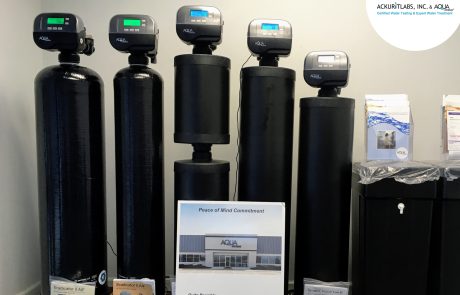
Filters based on carbon are the usual choice for chlorine taste and many household odors, and the lab or the utility report can say. Contact time and flow rate affect results, and a unit pushed too hard performs worse; a taste that creeps back is the usual reminder.
Canisters on the Line – Why Order Matters
Grit and flakes get stopped by a pleated or wound element sitting in a clear or opaque canister, which lets each cartridge last longer. The installer chooses which element goes first, because a clogged first stage starves the rest; write the swap date on the canister.
Membrane Systems: Fair Expectations
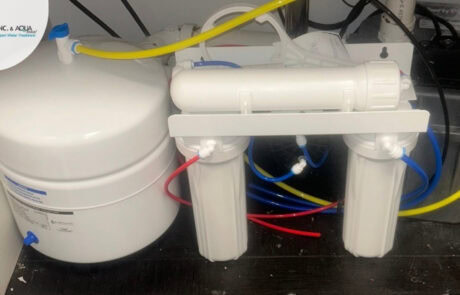
A small pump or the line pressure drives the flow through a membrane with extremely fine pores; most home units sit under a sink and serve one tap. Reverse osmosis units reduce many dissolved substances, though performance varies by model and by supply, and the reject volume is worth asking about.
Injectors and Contact Tanks: a Metering Pump and a Retention Tank
A chlorine injector meters a small amount of disinfectant into the line ahead of a holding tank, and it also acts on bacteria in the supply. The final stage polishes taste and removes what remains of the disinfectant; chemicals are stored and handled according to the label.
Treating Everything or Just the Faucet – One Tap, One Sink, One Appliance
Everything inside the building sees treated flow when equipment sits at the entry; the flow at the entry is worth measuring before ordering. Many households combine both: a main-line device for scale and a sink model for taste; ask for a simple diagram of the plan.
Flow Rate and Capacity – Pressure Drop and Pace
Equipment is rated by how fast supply can pass through it and by how much it can treat before servicing; a bigger tank may be the practical answer. An undersized system forces flow past the media too fast, which weakens the result; ask to see the numbers behind the recommendation.
Practical Requirements – Planning for Service Access
Shutoffs on both sides of a unit make servicing simple; a drain line, an air gap and a nearby outlet come with a softener. Codes affect drain connections, backflow protection and the placement of equipment; measure before ordering.
Two Starting Points: Chlorine Added or Not
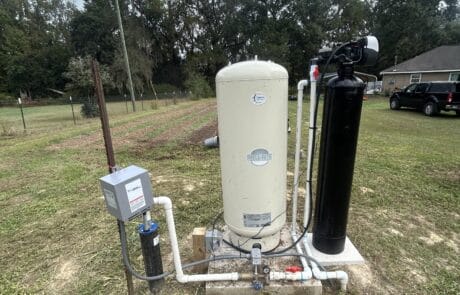
City lines usually deliver a steady, disinfected supply, so the complaints tend to be taste and scale; wells also bring a pump and a pressure tank into the plan. The provider needs to know which source feeds the house before suggesting anything; neighbors on the same aquifer can still differ.
When the Lights Go Out: Planning Before the Season
A unit left without power may skip a scheduled recharge, which leaves the media tired when flow resumes; checking the time and the settings after power returns takes a minute. A flooded system should be shut off and checked before use, since damage is not always visible; keep manuals and settings notes together.
Practical Details Homeowners Ask About – Reaching the Controls
Noise from a unit tends to come from the drain line and the valve rather than the tanks; a garage, a utility closet or a pump house is the usual home. A tidy installation labels valves, supports the plumbing and keeps the area dry; a sketch of the space helps the planning.
Replacement and Add-Ons: Test Before Deciding
Inherited hardware is worth examining before anything new is added; a fresh lab panel shows whether the present system is still doing its job. Adding a stage to an existing setup requires attention to order, flow rate and pressure drop, and old manuals are worth saving.
When a Property Has Many Users: Boilers, Ice Machines and Kitchens
Commercial installations are usually specified on paper, with flow rates and targets spelled out, and a controller can log regeneration cycles. Staff who run the building need to know where the valves are and what each one does; a log of salt, media and filter changes helps.
Maintenance Rhythm – Small Tasks That Protect Big Parts
Soft supply depends on a brine tank that is kept stocked; the manual lists intervals, though a heavy load shortens them. Bad smells from a filter housing mean it has gone too long, and a service call beats a failed system.
The Second Sample: When to Retest
Measurements taken after setup show the change in black and white; collecting at the same tap, in the same way, keeps the comparison fair. A result that falls short is information, and it points to what to add or change; dates on everything keep the record clear.
Where Hardware Stops – Matching Promises to Physics
No single device removes every substance, and a pitch that one box covers everything deserves doubt; read the data sheet, not just the front of the box. A fair provider will tell you when equipment is not the fix, or not the whole fix; nothing here replaces advice for your property.
A Short Interview: Points Worth Raising
- Which lab results is the proposal based on, and which items does it address, and what stays the same afterward.
- Which local rules apply to this installation, and who handles them; get the details itemized.
- Which items are checked on a routine visit, and which need special tools; each of these is worth asking.
A Call Before a Purchase: Bring What You Know
Dial Ackuritlabs And Aqua Systems at 850-616-2634 to ask what a sensible first step would be for your supply.
Bringing It Together – Upkeep Keeps It Working
The reliable path runs from a lab figure, through a sensible choice of equipment, to a retest that shows the change; this page on Water Softening Service in Havana Florida is a starting point, and the details of each property decide the rest. You can speak with Ackuritlabs And Aqua Systems at 850-616-2634 about your plumbing and your goals; mention whether the supply is a well or a utility line.
Verified

Verified
Verified
Verified
Verified