Thinking About Residential Water Filtration Around Hilliard Florida?
Good installations start from a lab result and work toward a device that suits it; the sections below describe what each option does and where it stops.
Speak with Ackuritlabs And Aqua Systems at 850-616-2634 to ask how an installation is planned.
The Order of Operations – Results Decide the Hardware
A smell, a stain or a taste is a symptom, and the symptom alone rarely identifies the cure; having a report on hand speeds everything up. Anyone without a recent report can usually be pointed to a suitable panel first, and a short delay beats replacing the wrong unit.
Softening: How the Resin Works
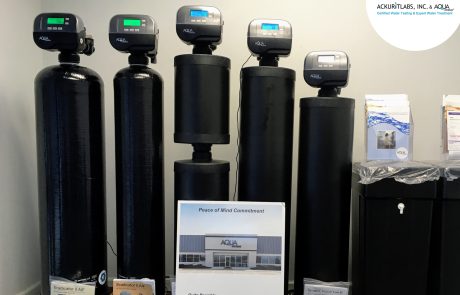
Inside the tank, tiny resin beads attract the minerals that cause scale and give up sodium or potassium in return, and the stored brine is topped up with salt as needed. Less mineral reaching the pipes also means less deposit inside them, though a softener does little for iron staining beyond a modest level.
Salt-Free Conditioners: No Drain, No Salt, Different Results
A salt-free unit does not remove calcium or magnesium; it alters how those minerals behave; they need no electricity in many designs. Anyone expecting the soft feel of a true softener should know the two are different things; being clear on this point prevents disputes later.
Taste and Odor Control: Matching Carbon to the Target
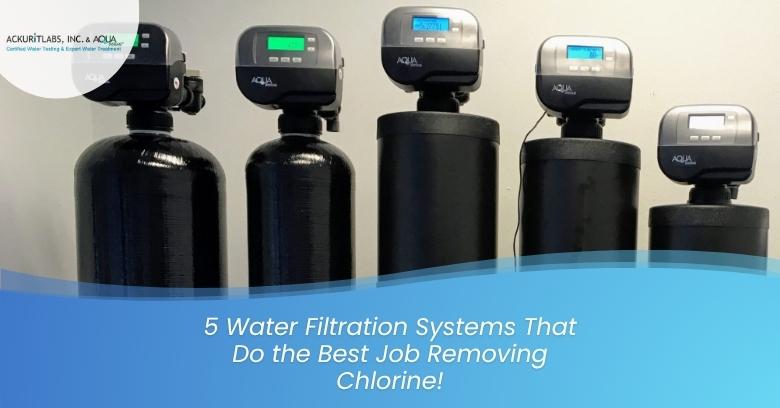
Surfaces inside the carbon grab onto particular chemicals, leaving a cleaner taste behind; each type of carbon targets specific compounds, so the media is picked to suit the finding. Contact time and flow rate affect results, and a unit pushed too hard performs worse, and the provider can estimate a schedule.
Housings and Replaceable Elements: Keeping Spare Elements
Sediment cartridges screen out sand, rust flakes and silt before they reach appliances, and the sequence is part of the design. Putting stages in the wrong order shortens the life of the costlier cartridge; keep a spare cartridge on a shelf.
Membrane Systems – Dissolved Solids Reduced
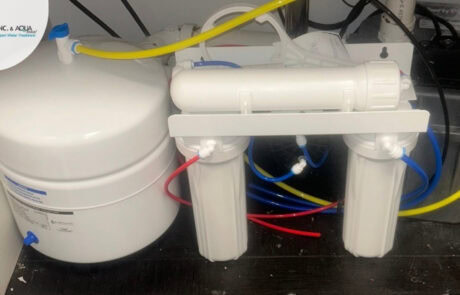
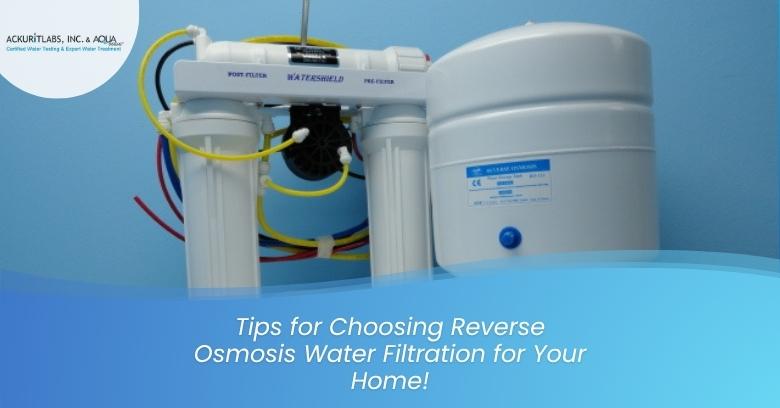
A membrane passes the liquid and rejects a large share of dissolved salts and other solids; the rejected stream runs to a drain, so a connection to the sink drain is part of the installation. Pre-filters protect the membrane, and replacing them on time protects the system; a leak sensor is a sensible add-on.
Oxidation Systems – Time, Dose and Cleanup
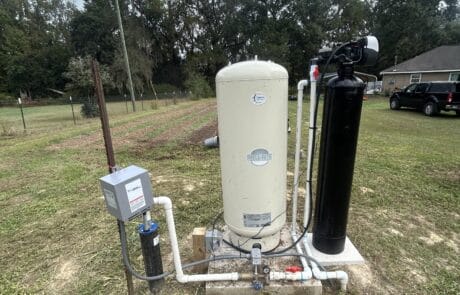
The setup pairs a feed pump with a retention tank so the chlorine has time to work; the chlorine oxidizes iron and sulfide into forms that can be filtered out. The final stage polishes taste and removes what remains of the disinfectant, and chemical equipment is installed and set up with care.
Treating Everything or Just the Faucet: Choosing the Footprint
Equipment where the supply enters the building protects all the plumbing downstream; scale, iron and chlorine are the usual reasons to go this route. Smaller units at one sink target what people drink, leaving the rest of the plumbing alone, and it shows which walls and lines are involved.
Matching the Unit to the House: Gallons per Minute and Grains
Equipment is rated by how fast supply can pass through it and by how much it can treat before servicing; a bigger tank may be the practical answer. Oversizing has drawbacks too, since idle media can foul and extra tanks need space, and an installer should explain why a particular size was chosen.
Plumbing, Power and Drain Needs: Bypass Valves, Drains and Outlets
Shutoffs on both sides of a unit make servicing simple; chlorine feed pumps and contact tanks add their own requirements. Whoever does the installation should be able to say what the local rules ask for; measure before ordering.
Two Starting Points: Different Problems, Different Gear
Supply from a public system arrives already disinfected, which changes what is left to fix, whereas chlorine and chloramine lead the list on a city line. The provider needs to know which source feeds the house before suggesting anything; neighbors on the same aquifer can still differ.
When the Lights Go Out: Planning Before the Season
Pumps, injectors and controllers all depend on electricity, and an outage pauses every one of them, and a surge protector on the outlet is sensible protection for the electronics. Equipment that sat in floodwater needs inspection before it goes back into service; write down the shutoff locations.
Noise, Space and Appearance: Garages, Closets and Mechanical Rooms
Most residential units are quiet, and the sounds they make are short bursts when a valve cycles or a recharge runs, and the location is chosen to keep lines short and service easy. Leaving room to open lids, change cartridges and read gauges makes upkeep a quick job; a tank that cannot get through a doorway is a common surprise.
Replacement and Add-Ons: Test Before Deciding
Older units may still work but have worn parts, such as seals, valves, resin or membranes, and the readings guide whether to repair, keep or replace. Adding a stage to an existing setup requires attention to order, flow rate and pressure drop; ask for a plain list of what changes and what stays.
Larger Buildings and Heavier Demand – Keeping Service Running
Commercial installations are usually specified on paper, with flow rates and targets spelled out, and a controller can log regeneration cycles. Training the people on site about shutoffs and alarms prevents small problems from growing; a log of salt, media and filter changes helps.
Upkeep: Signs a Unit Needs Attention
Filters eventually clog, and carbon eventually saturates, so each has a replacement interval; a simple calendar reminder prevents most lapses. If stains come back, or the taste creeps back, something in the chain has used up its capacity; an annual look at the controls is sensible.
The Second Sample: Tracking Performance
Comparing a new lab report against the original is how a household confirms the hardware did its job, which matters for cartridges and media that wear. Expect a number lower than before, not necessarily a number of zero; the file is useful for a future sale.
What Equipment Cannot Do – Matching Promises to Physics
No single device removes every substance, and a pitch that one box covers everything deserves doubt; ask for the specific substances a product addresses. Honest answers sound specific, and vague answers sound like a sales line; nothing here replaces advice for your property.
Comparing Proposals: Details That Separate Good Plans
- Is the recommended size tied to the lab figures and the household's flow; ask for the reasoning in writing.
- How is the unit set up at the start, and what will you be shown before the crew leaves; get the details itemized.
- Where should the paperwork for the system be stored; each of these is worth asking.
Talking It Through – Share Your Lab Report
Phone Ackuritlabs And Aqua Systems at 850-616-2634 to ask what a sensible first step would be for your supply.
Pulling the Threads – Upkeep Keeps It Working
Matching a device to a lab result, sizing it to the building and keeping up with upkeep is the whole recipe, because each property in Hilliard Florida has its own story, whatever any page says about Residential Water Filtration. Questions are welcome at 850-616-2634, where Ackuritlabs And Aqua Systems can lay out the options; mention whether the supply is a well or a utility line.
Verified

Verified
Verified
Verified
Verified