Need Commercial Water Filtration for a Property in Lamont Florida?
A treatment system is a tool for one job, so the job has to be named before the tool is picked, and the sections below explain how the common options differ.
Call Ackuritlabs And Aqua Systems at 850-616-2634 and describe the stains, scale or smells you want gone.
Before Any Equipment: a Lab Number Beats a Guess
Equipment bought off a shelf may handle a different problem than the one at the tap; most reputable providers ask for results before quoting a system. If the history of the supply is unknown, a baseline panel is the sensible opener, and a short delay beats replacing the wrong unit.
Resin Tanks: How the Resin Works
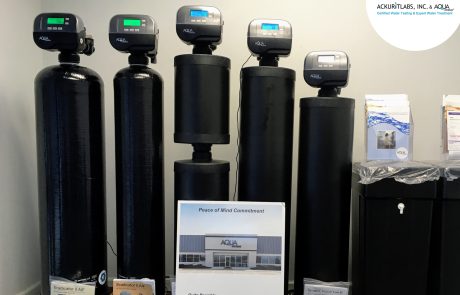
The core of a standard softener is a resin bed that exchanges hardness minerals for a softer ion; when the beads fill up, a brine rinse flushes the captured minerals to a drain. Less mineral reaching the pipes also means less deposit inside them; it is not meant to filter out bacteria or chemicals.
Salt-Free Conditioners: No Drain, No Salt, Different Results
A salt-free unit does not remove calcium or magnesium; it alters how those minerals behave; people choose these devices to avoid salt, brine discharge and a drain connection. Expect scale to be reduced rather than eliminated, and expect no change in how soap lathers; being clear on this point prevents disputes later.
Activated Carbon: Why Cartridges Run Out
Surfaces inside the carbon grab onto particular chemicals, leaving a cleaner taste behind; a catalytic grade is often used where chloramine is the disinfectant. A saturated filter can release what it captured, which is why change schedules matter; a taste that creeps back is the usual reminder.
Housings and Replaceable Elements – Catching Grit Before It Travels On
A housing on the line holds a cartridge that screens out particles above a chosen size, and a smaller rating catches finer particles but clogs sooner. Putting stages in the wrong order shortens the life of the costlier cartridge; keep a spare cartridge on a shelf.
Reverse Osmosis – Storage Tank, Faucet and Drain
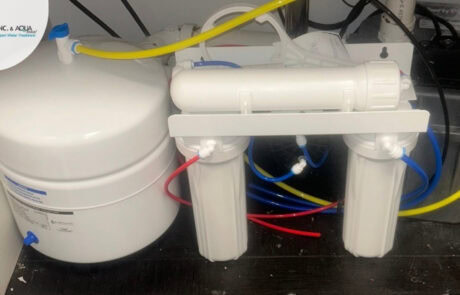
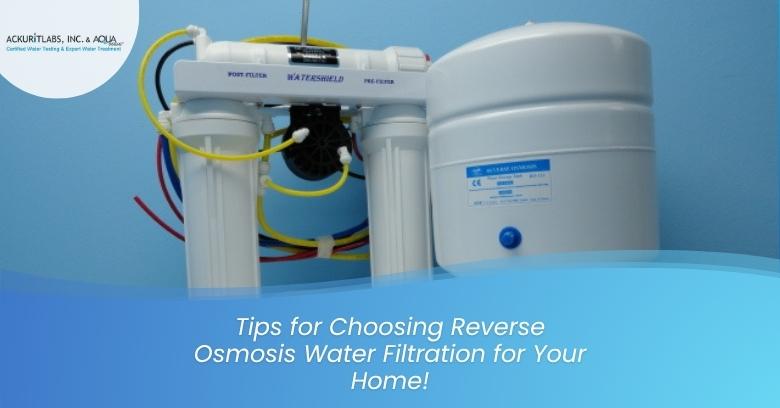
The membrane is the center of the system, flanked by pre-filters and a final carbon stage; compact units fit under a sink and serve a single tap. Pre-filters protect the membrane, and replacing them on time protects the system, and the reject volume is worth asking about.
Feeding Chlorine Into the Line – Time, Dose and Cleanup
The setup pairs a feed pump with a retention tank so the chlorine has time to work; the chlorine oxidizes iron and sulfide into forms that can be filtered out. A backwashing filter often follows, clearing the particles the reaction produces; a wrong dose helps nobody.
Scope of a System: What Each Layout Covers
Everything inside the building sees treated flow when equipment sits at the entry, and the machinery needs floor space near the main shutoff. Smaller units at one sink target what people drink, leaving the rest of the plumbing alone, and the two approaches work well together.
Matching the Unit to the House: Room to Grow
A unit has two numbers that matter: a peak flow rating and a capacity between cleanings; high readings use up capacity faster. An undersized system forces flow past the media too fast, which weakens the result; the sizing is not a mystery.
Practical Requirements: Tying Into Existing Lines
Valves around the equipment allow it to be taken out of service in minutes; chlorine feed pumps and contact tanks add their own requirements. Local plumbing and electrical rules may apply, and the installer is the one to know them; leave room to open the tank lid and swap a cartridge.
Private Source or Public Main – Raw Groundwater Versus Treated
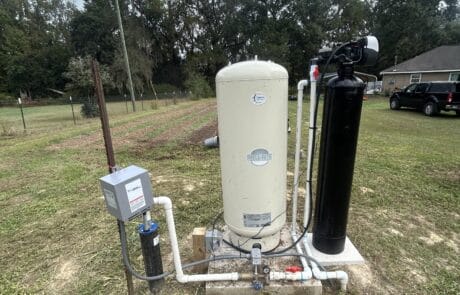
A well has no utility between it and the tap, so equipment often handles more of the load, and equipment has to work with the pump's pressure and flow. A quick description of the plumbing path is enough to start the right conversation; photos of the existing equipment help.
After an Outage – Resetting the Clock and the Valve
A unit left without power may skip a scheduled recharge, which leaves the media tired when flow resumes; checking the time and the settings after power returns takes a minute. Anything touched by flooding, including a well pump and chemical feed gear, deserves a professional look; photographs taken before the season make later comparisons easier.
Living With the Equipment – Placement Decisions That Last
Noise from a unit tends to come from the drain line and the valve rather than the tanks, and a level pad keeps tanks from shifting. Leaving room to open lids, change cartridges and read gauges makes upkeep a quick job, and the provider should ask about access.
Working With Existing Equipment: Test Before Deciding
Inherited hardware is worth examining before anything new is added; a fresh lab panel shows whether the present system is still doing its job. Mixing parts from different makers is possible, though compatibility needs checking; photographs of the current setup speed up the first conversation.
Treatment at Business Scale – Coordinating With Maintenance
Commercial installations are usually specified on paper, with flow rates and targets spelled out, and a controller can log regeneration cycles. Written procedures and a labeled schematic make handovers between staff smoother, and it supports any later troubleshooting.
Upkeep: What Gets Neglected
Every type of equipment has a consumable: salt for softeners, cartridges for filters, membranes for osmosis units; a label on each housing with the install date helps. Noisy valves, salt bridges in the tank and slow flow are signs worth a look; the provider can inspect and adjust.
Proof After Installation – Filing the Evidence
The most reliable verification is a fresh panel run on the same items as before, which matters for cartridges and media that wear. A result that falls short is information, and it points to what to add or change, and keeping both reports together tells the story.
Honest Limits – Matching Promises to Physics
A softener will not make a supply taste different, and a carbon filter will not soften it; compare the data sheet with your lab report. A fair provider will tell you when equipment is not the fix, or not the whole fix, and a plain no is sometimes the most useful answer.
Comparing Proposals: Points Worth Raising
- Which readings on the report are meant to change, and which are not expected to; ask for the reasoning in writing.
- Who installs the equipment, and who services it after the job is done; ask for a copy of the manuals too.
- How will you know the equipment is working a few months from now; each of these is worth asking.
Talking It Through: Bring What You Know
Speak with Ackuritlabs And Aqua Systems at 850-616-2634 to go over the lab report and the symptoms at your tap.
What to Remember: Next Steps
The reliable path runs from a lab figure, through a sensible choice of equipment, to a retest that shows the change, because each property in Lamont Florida has its own story, whatever any page says about Commercial Water Filtration. To get started, reach Ackuritlabs And Aqua Systems at 850-616-2634; the details you share shape the advice.
Verified

Verified
Verified
Verified
Verified