Looking for Commercial Water Filtration Throughout Madison Florida?
Matching the device to the finding is what separates a useful installation from a blind guess, and the sections below cover sizing, setup and upkeep.
Contact Ackuritlabs And Aqua Systems at 850-616-2634 to talk through what the tap has been doing.
Before Any Equipment – Results Decide the Hardware
Equipment bought off a shelf may handle a different problem than the one at the tap; a sample sent to a laboratory turns a guess into a figure. A first conversation commonly ends with advice on what to sample before the next step, and a short delay beats replacing the wrong unit.
Ion Exchange: a Bed of Beads and a Brine Tank
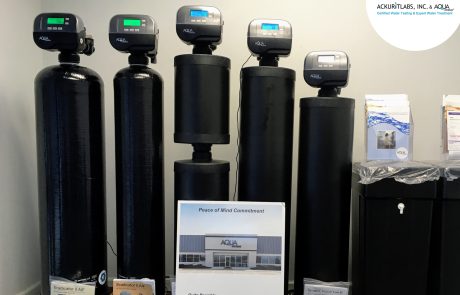
The beads in a softener hold hardness minerals until they are rinsed clean, and a salt or potassium brine recharges the bed on a schedule. Softened supply leaves less scale on fixtures, glass and heating elements; the lab result still decides what else belongs in the plan.
Salt-Free Conditioners – Setting Expectations
These devices work on how scale sticks, and they do not strip the minerals out, which suits some households and some local rules. Because the minerals remain, soap and shampoo behave as they would on hard supply; asking for a plain description of the outcome avoids disappointment.
The Charcoal Option – Contact Time and Capacity
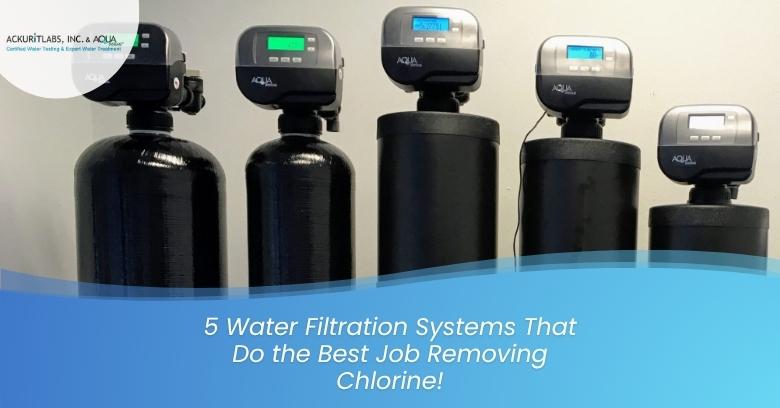
Porous carbon traps many organic molecules and chlorine on its surfaces as flow moves across them; each type of carbon targets specific compounds, so the media is picked to suit the finding. Carbon has a limited capacity, and once it is spent, it stops doing its job; a pre-filter often extends the life of the carbon.
Cartridges and Sediment Filters: Keeping Spare Elements
Grit and flakes get stopped by a pleated or wound element sitting in a clear or opaque canister; the rating, given in microns, states how small a particle the element is built to catch. Pressure falls as an element loads up, which is the practical signal to swap it; write the swap date on the canister.
The Under-Sink Purifier: Where It Sits and What It Wastes
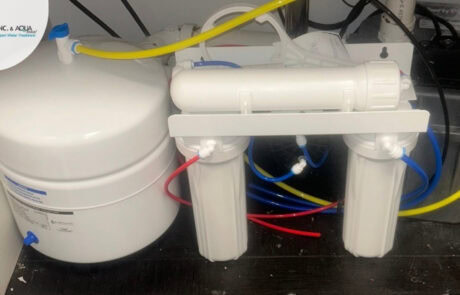
A small pump or the line pressure drives the flow through a membrane with extremely fine pores; the rejected stream runs to a drain, so a connection to the sink drain is part of the installation. A lab test before and after is the reliable way to know what a particular system achieves; a leak sensor is a sensible add-on.
Oxidation Systems: What the Installer Sets Up
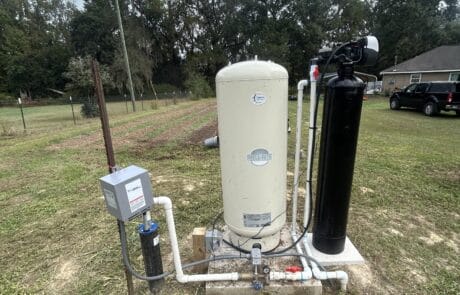
Where a well carries iron, sulfur or microbes, injecting chlorine is a long-established approach, and the dose is set from lab readings. A backwashing filter often follows, clearing the particles the reaction produces; dosing is not a do-it-yourself guess.
Point of Entry Versus Point of Use: What Each Layout Covers
Whole-house layouts put one set of equipment ahead of every fixture; the flow at the entry is worth measuring before ordering. Where only one fixture matters, a compact installation avoids treating the whole house, and the two approaches work well together.
Choosing a Capacity: Room to Grow
Ratings printed on the label describe the equipment, and the installer matches them to the building; a unit that is too small shortens the time between regenerations. An undersized system forces flow past the media too fast, which weakens the result; the sizing is not a mystery.
Practical Requirements: the Checklist Behind a Clean Install
A bypass lets the household isolate a unit without shutting off the whole supply; a drain line, an air gap and a nearby outlet come with a softener. Local plumbing and electrical rules may apply, and the installer is the one to know them; a tidy install is easier to maintain.
Private Source or Public Main: Different Problems, Different Gear
A well has no utility between it and the tap, so equipment often handles more of the load, whereas chlorine and chloramine lead the list on a city line. A quick description of the plumbing path is enough to start the right conversation, and a lab report removes most of the guesswork.
After an Outage: Controllers, Pumps and Flooding
Electronic valves keep time with the power, so a clock that resets can trigger recharges at odd hours, and a surge protector on the outlet is sensible protection for the electronics. Equipment that sat in floodwater needs inspection before it goes back into service; write down the shutoff locations.
Where Everything Goes – Reaching the Controls
A recharge brings gurgling and flowing noises for a spell, usually at a scheduled hour, and a level pad keeps tanks from shifting. Sunlight can damage clear housings and warm the supply, so shade is sensible outdoors; measure doors and hallways as well.
Working With Existing Equipment – Keep, Repair or Replace
Inherited hardware is worth examining before anything new is added; the model number on the label usually leads to a manual and a parts list. Adding a stage to an existing setup requires attention to order, flow rate and pressure drop, and old manuals are worth saving.
Commercial Systems: Written Specifications
Boilers, cooling equipment and ice makers can be sensitive to scale, which shapes the design, and a drawing of the proposed layout is a reasonable request. A property manager benefits from a maintenance plan that lists tasks, intervals and who does them, and the provider can supply those if asked.
Maintenance Rhythm – Small Tasks That Protect Big Parts
Resin beads age slowly, and cartridges and pre-filters age quickly; a simple calendar reminder prevents most lapses. Noisy valves, salt bridges in the tank and slow flow are signs worth a look; an annual look at the controls is sensible.
Verifying What Changed: When to Retest
The most reliable verification is a fresh panel run on the same items as before; schedule it when the system goes in. Expect a number lower than before, not necessarily a number of zero; dates on everything keep the record clear.
Expectations Worth Setting: Misuse and Misfit
Marketing language tends to be broader than what a product actually does; compare the data sheet with your lab report. Anyone selling treatment equipment should be able to explain what it reduces and what it leaves alone; weigh each source on how specific it is.
Questions for a Provider: Points Worth Raising
- Which readings on the report are meant to change, and which are not expected to; vague answers deserve a follow-up.
- How is the unit set up at the start, and what will you be shown before the crew leaves; a walk-through at the end is reasonable to ask for.
- Which items are checked on a routine visit, and which need special tools; write the answers down.
Talking It Through – One Call Sorts Out Next Steps
Dial Ackuritlabs And Aqua Systems at 850-616-2634 and ask what to collect before any equipment is chosen.
Bringing It Together: Matching Hardware to the Finding
Every lasting installation rests on a clear diagnosis, a suitable size and regular care; this page on Commercial Water Filtration in Madison Florida is a starting point, and the details of each property decide the rest. Call 850-616-2634 to reach Ackuritlabs And Aqua Systems and talk over your situation; the call goes quickly.
Verified

Verified
Verified
Verified
Verified