Looking for Water Filtration for a Property in Madison Florida?
A treatment system is a tool for one job, so the job has to be named before the tool is picked; the sections below describe what each option does and where it stops.
Contact Ackuritlabs And Aqua Systems at 850-616-2634 and describe the stains, scale or smells you want gone.
The Order of Operations – Reading the Problem Correctly
A smell, a stain or a taste is a symptom, and the symptom alone rarely identifies the cure; most reputable providers ask for results before quoting a system. Anyone without a recent report can usually be pointed to a suitable panel first; patience at this stage tends to save money later.
Taking Out Hardness: a Bed of Beads and a Brine Tank
The beads in a softener hold hardness minerals until they are rinsed clean, and a salt or potassium brine recharges the bed on a schedule. Where a softener is sized correctly, white crust becomes much less of a chore, though a softener does little for iron staining beyond a modest level.
Conditioning Instead of Softening: No Drain, No Salt, Different Results
Conditioners leave the hardness figure unchanged and change the shape of the crystals that form; people choose these devices to avoid salt, brine discharge and a drain connection. Expect scale to be reduced rather than eliminated, and expect no change in how soap lathers; being clear on this point prevents disputes later.
Carbon Filtration – Contact Time and Capacity
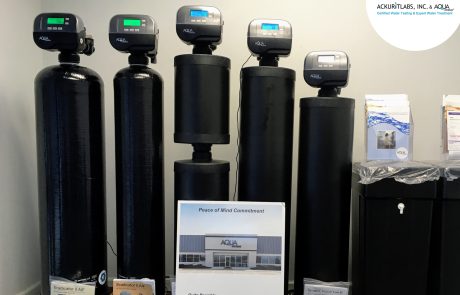
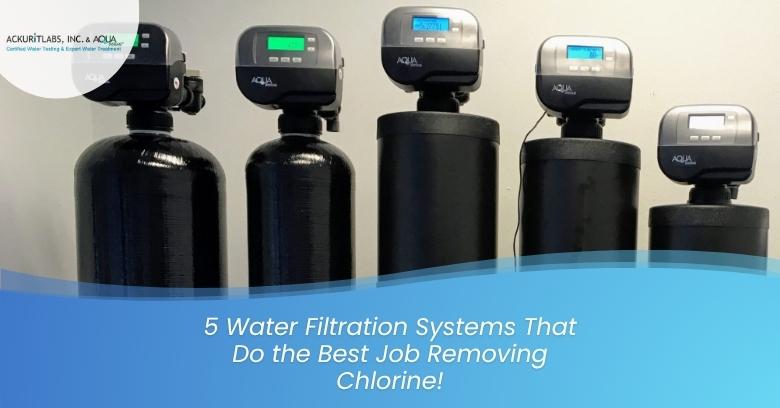
Carbon holds onto certain compounds as supply passes through, which cuts chlorine taste and some odors; a catalytic grade is often used where chloramine is the disinfectant. A saturated filter can release what it captured, which is why change schedules matter, and the provider can estimate a schedule.
Spun, Pleated and Wound Media: Reading the Micron Number
A housing on the line holds a cartridge that screens out particles above a chosen size; the rating, given in microns, states how small a particle the element is built to catch. A carbon cartridge installed in the same housing style handles taste while the sediment unit handles grit; a wrench for the housing is a worthwhile purchase.
Reverse Osmosis: Pressure, Membrane and Reject Stream
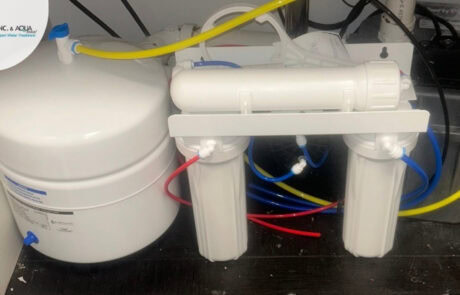
Pressure pushes the supply against a semipermeable membrane, and most dissolved material is held back; most home units sit under a sink and serve one tap. The reduction achieved depends on membrane condition, pressure and what is in the feed; the provider can explain what to expect for your supply.
Treating Iron, Sulfur and Microbes – Time, Dose and Cleanup
A metering pump feeds sodium hypochlorite into the flow, and a tank gives it time to react, and the dose is set from lab readings. The final stage polishes taste and removes what remains of the disinfectant, and the setup should be checked after the first weeks.
Whole-House or Single-Tap – One Tap, One Sink, One Appliance
Whole-house layouts put one set of equipment ahead of every fixture; a garage or utility closet often becomes the home. Single-tap filters and membranes work where only drinking supply needs the extra step; the provider can sketch where each unit would go.
Flow Rate and Capacity – People, Fixtures and Usage
A unit has two numbers that matter: a peak flow rating and a capacity between cleanings; high readings use up capacity faster. An undersized system forces flow past the media too fast, which weakens the result; the sizing is not a mystery.
Plumbing, Power and Drain Needs: Tying Into Existing Lines
A bypass lets the household isolate a unit without shutting off the whole supply; the installer plans the route up front. Checking with the local office is sensible before anything is cut or glued; a tidy install is easier to maintain.
Supply Source Matters – Pressure Tanks and Pumps
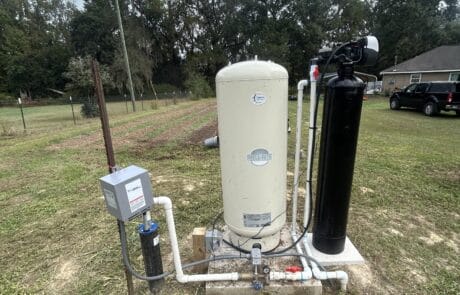
Raw well supply brings the chemistry of the ground straight to the plumbing; sediment and iron tend to be the early concerns. Because the two sources differ, the same product can be a great fit on one and wasted on the other, and a lab report removes most of the guesswork.
When the Lights Go Out: What to Check Afterward
Softeners and filters with electronic controllers can lose their settings in a long outage unless a backup battery holds them, and the manual shows how to reset the controller. Silt in a housing, a wet motor or a corroded joint can turn a repair into a replacement; photographs taken before the season make later comparisons easier.
Where Everything Goes: Tanks, Hums and Cabinets
Pumps and metering equipment hum when they work, so placement matters for bedrooms and offices, and the location is chosen to keep lines short and service easy. A tidy installation labels valves, supports the plumbing and keeps the area dry; a sketch of the space helps the planning.
Working With Existing Equipment – Reading Old Labels
Many properties already have a tank, a filter housing or an under-sink unit, and the question is whether it still suits the supply, and the provider can often read the date code. The simplest upgrade is often a fresh set of cartridges or media, not a new system, and old manuals are worth saving.
Equipment for Operations – Coordinating With Maintenance
Business equipment is sized for higher flows and often arranged in pairs so one tank can work while the other recharges; the survey of the site comes first. A property manager benefits from a maintenance plan that lists tasks, intervals and who does them; ask what monitoring the equipment offers.
Upkeep: Salt, Cartridges and Media
Soft supply depends on a brine tank that is kept stocked; the manual lists intervals, though a heavy load shortens them. Bad smells from a filter housing mean it has gone too long; do not wait for a complete failure.
The Second Sample: When to Retest
A sample collected after the system is running shows whether the problem was solved; schedule it when the system goes in. Treatment can reduce certain items without eliminating them, and the report shows by how much, and keeping both reports together tells the story.
Limits to Keep in Mind – Matching Promises to Physics
A softener will not make a supply taste different, and a carbon filter will not soften it; ask for the specific substances a product addresses. A provider unwilling to discuss limits is one to think twice about, and a plain no is sometimes the most useful answer.
Comparing Proposals: Details That Separate Good Plans
- Which readings on the report are meant to change, and which are not expected to; ask for the reasoning in writing.
- What parts and consumables are needed, and how often do they need replacing, and how can questions be raised afterward.
- Which items are checked on a routine visit, and which need special tools; each of these is worth asking.
Planning a System – Share Your Lab Report
Contact Ackuritlabs And Aqua Systems at 850-616-2634 and describe the house, the plumbing and what you want changed.
What to Remember: Test, Choose, Install, Confirm
Matching a device to a lab result, sizing it to the building and keeping up with upkeep is the whole recipe, because each property in Madison Florida has its own story, whatever any page says about Water Filtration. Call 850-616-2634 to reach Ackuritlabs And Aqua Systems and talk over your situation; mention whether the supply is a well or a utility line.
Verified

Verified
Verified
Verified
Verified