Weighing Options for Water Softening Service in Monticello Florida?
Each piece of hardware on the market answers a particular complaint, and none answers all of them; the sections below put the options in plain language.
Phone Ackuritlabs And Aqua Systems at 850-616-2634 to ask how an installation is planned.
Where Treatment Begins – Results Decide the Hardware
Taste and appearance narrow the field, though only a lab report settles it; most reputable providers ask for results before quoting a system. Even a brief description of the symptoms helps decide which measurements to order; skipping ahead is where most mismatches begin.
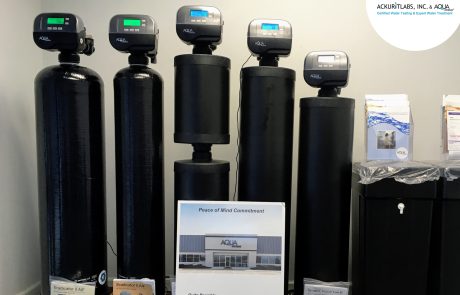
Ion Exchange: a Bed of Beads and a Brine Tank
Inside the tank, tiny resin beads attract the minerals that cause scale and give up sodium or potassium in return, and the stored brine is topped up with salt as needed. Softened supply leaves less scale on fixtures, glass and heating elements; the lab result still decides what else belongs in the plan.
Alternatives to the Brine Tank – Changing How Scale Forms
A salt-free unit does not remove calcium or magnesium; it alters how those minerals behave; they need no electricity in many designs. Anyone expecting the soft feel of a true softener should know the two are different things; ask what the device will not do.
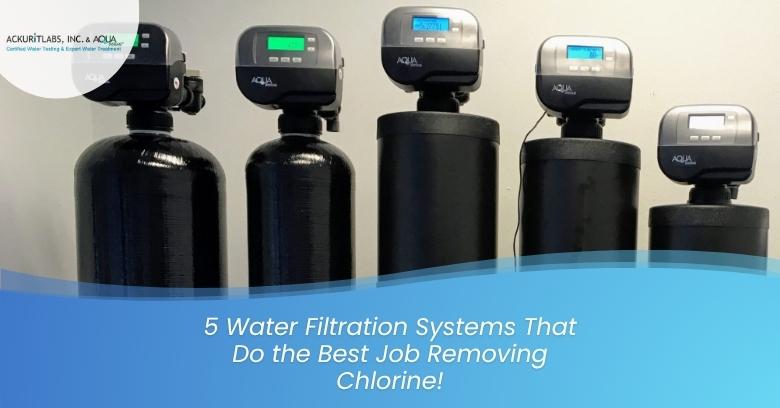
Taste and Odor Control: Why Cartridges Run Out
Carbon holds onto certain compounds as supply passes through, which cuts chlorine taste and some odors; it helps to know what the utility adds. Every carbon filter eventually fills up, so replacement or backwashing is part of owning one; keeping a date on the housing is a good habit.
Housings and Replaceable Elements: Sizes, Ratings and Swaps
A housing on the line holds a cartridge that screens out particles above a chosen size, which lets each cartridge last longer. The installer chooses which element goes first, because a clogged first stage starves the rest, and a pressure gauge on each side of the housing makes that visible.
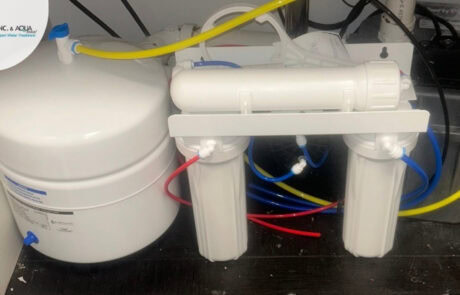
The Under-Sink Purifier – Dissolved Solids Reduced
Dissolved solids stay on one side of the membrane and get flushed away; most home units sit under a sink and serve one tap. Some units add minerals back after the membrane to adjust taste; ask for the maintenance schedule in writing.
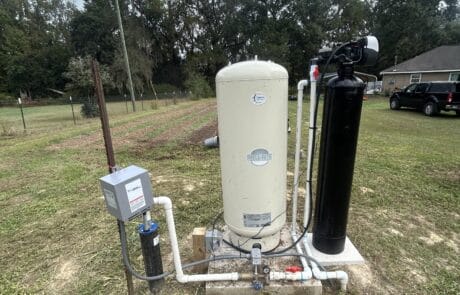
Chlorination: a Metering Pump and a Retention Tank
The setup pairs a feed pump with a retention tank so the chlorine has time to work, and the dose is set from lab readings. Residual chlorine has to be removed afterward, and a carbon filter normally takes that job, and chemical equipment is installed and set up with care.
Point of Entry Versus Point of Use: Choosing the Footprint
Equipment where the supply enters the building protects all the plumbing downstream; a garage or utility closet often becomes the home. Where only one fixture matters, a compact installation avoids treating the whole house; a layout on paper avoids surprises.
Flow Rate and Capacity – People, Fixtures and Usage
Ratings printed on the label describe the equipment, and the installer matches them to the building; a bigger tank may be the practical answer. When a unit is too small, pressure falls at fixtures during busy mornings, and a vague one deserves a follow-up question.
Space and Connections: the Checklist Behind a Clean Install
Most systems need a bypass valve so the plumbing can keep flowing during service, and electrical needs vary from a plug-in transformer to a dedicated circuit. Local plumbing and electrical rules may apply, and the installer is the one to know them, and clear labels on valves help the next person.
Private Source or Public Main: Chlorine Added or Not
Supply from a public system arrives already disinfected, which changes what is left to fix, and equipment has to work with the pump's pressure and flow. Equipment picked from a neighbor's experience may not suit a different source; each property gets its own plan.
Storms and Power Interruptions – Resetting the Clock and the Valve
Pumps, injectors and controllers all depend on electricity, and an outage pauses every one of them, since a stuck valve is easier to catch early. Anything touched by flooding, including a well pump and chemical feed gear, deserves a professional look; write down the shutoff locations.
Noise, Space and Appearance – Reaching the Controls
A recharge brings gurgling and flowing noises for a spell, usually at a scheduled hour; a garage, a utility closet or a pump house is the usual home. Leaving room to open lids, change cartridges and read gauges makes upkeep a quick job, and the installer can suggest a layout.
Working With Existing Equipment: Compatibility With Present Plumbing
Many properties already have a tank, a filter housing or an under-sink unit, and the question is whether it still suits the supply, which helps weigh a repair against a new unit. A sediment screen or a carbon stage can often be added without replacing everything; nothing is replaced without a reason.
Treatment at Business Scale: Boilers, Ice Machines and Kitchens
Larger buildings may need several tanks and manifolds, not one household unit, and a drawing of the proposed layout is a reasonable request. Training the people on site about shutoffs and alarms prevents small problems from growing; ask what monitoring the equipment offers.
Keeping Equipment in Shape: Signs a Unit Needs Attention
Every type of equipment has a consumable: salt for softeners, cartridges for filters, membranes for osmosis units; the manual lists intervals, though a heavy load shortens them. If stains come back, or the taste creeps back, something in the chain has used up its capacity; an annual look at the controls is sensible.
The Second Sample: Tracking Performance
The most reliable verification is a fresh panel run on the same items as before; a retest a few months in shows whether the system is holding. If a reading is still high, the report guides the next adjustment; a short note on the equipment installed completes the record.
Limits to Keep in Mind – Read the Fine Print
Marketing language tends to be broader than what a product actually does; compare the data sheet with your lab report. A provider unwilling to discuss limits is one to think twice about; clear explanations are the best sign.
A Short Interview – Everything in Writing
- Does the plan name the substances it targets, rather than speaking in general terms; ask for the reasoning in writing.
- Who installs the equipment, and who services it after the job is done; a walk-through at the end is reasonable to ask for.
- Which items are checked on a routine visit, and which need special tools; write the answers down.
Start the Conversation – Share Your Lab Report
Speak with Ackuritlabs And Aqua Systems at 850-616-2634 and ask what to collect before any equipment is chosen.
Pulling the Threads – the Sequence That Works
The reliable path runs from a lab figure, through a sensible choice of equipment, to a retest that shows the change, and for Water Softening Service in Monticello Florida the first step is a conversation about the supply and the symptoms. Questions are welcome at 850-616-2634, where Ackuritlabs And Aqua Systems can lay out the options, and say what you would like to change.
Verified

Verified
Verified
Verified
Verified