Shopping for Chlorination System Installation Throughout Newport Florida?
Matching the device to the finding is what separates a useful installation from a blind guess, and the sections below cover sizing, setup and upkeep.
Contact Ackuritlabs And Aqua Systems at 850-616-2634 and describe the stains, scale or smells you want gone.
Diagnosis First – Results Decide the Hardware
Taste and appearance narrow the field, though only a lab report settles it; a sample sent to a laboratory turns a guess into a figure. A first conversation commonly ends with advice on what to sample before the next step; the equipment decision waits until the numbers are in.
Ion Exchange: a Bed of Beads and a Brine Tank
A conventional softener passes the supply through a bed of resin beads that grab calcium and magnesium, and a salt or potassium brine recharges the bed on a schedule. Less mineral reaching the pipes also means less deposit inside them; it is not meant to filter out bacteria or chemicals.
Template-Assisted Units – Setting Expectations
Nothing is exchanged, so the lab number for hardness reads the same before and after; people choose these devices to avoid salt, brine discharge and a drain connection. A conditioner will not give the slick feel that a softened supply has in the shower; asking for a plain description of the outcome avoids disappointment.
Taste and Odor Control: Why Cartridges Run Out
Carbon holds onto certain compounds as supply passes through, which cuts chlorine taste and some odors; a catalytic grade is often used where chloramine is the disinfectant. Every carbon filter eventually fills up, so replacement or backwashing is part of owning one; a taste that creeps back is the usual reminder.
Housings and Replaceable Elements – Catching Grit Before It Travels On
Sediment cartridges screen out sand, rust flakes and silt before they reach appliances, and the sequence is part of the design. Putting stages in the wrong order shortens the life of the costlier cartridge, and a pressure gauge on each side of the housing makes that visible.
Drinking Supply Upgrades – Storage Tank, Faucet and Drain
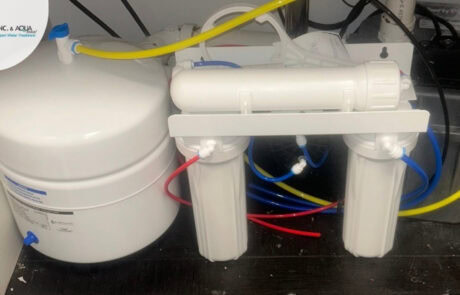
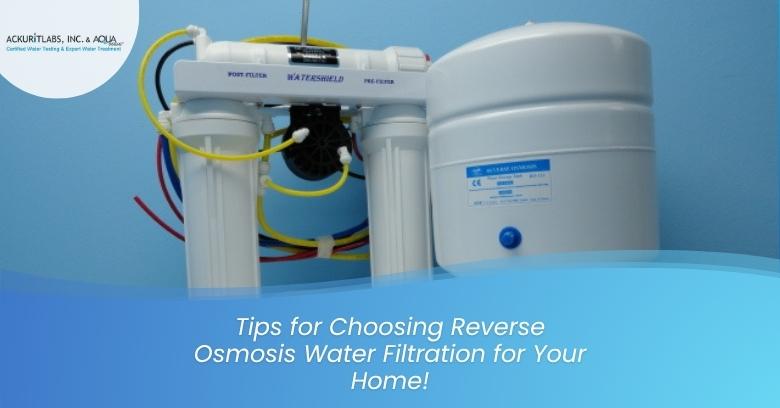
A small pump or the line pressure drives the flow through a membrane with extremely fine pores, while larger units serve whole buildings. Reverse osmosis units reduce many dissolved substances, though performance varies by model and by supply, and a membrane may last for a long stretch if it is protected.
Chlorination: What the Installer Sets Up
The setup pairs a feed pump with a retention tank so the chlorine has time to work, and it also acts on bacteria in the supply. Residual chlorine has to be removed afterward, and a carbon filter normally takes that job, and the setup should be checked after the first weeks.
Treating Everything or Just the Faucet: Choosing the Footprint
A unit at the main line treats every tap, the shower, the washer and the water heater; the flow at the entry is worth measuring before ordering. Many households combine both: a main-line device for scale and a sink model for taste; a layout on paper avoids surprises.
Flow Rate and Capacity: What Undersizing Looks Like
The size of the housing and the volume of media set how much a system can handle; a unit that is too small shortens the time between regenerations. An undersized system forces flow past the media too fast, which weakens the result; ask to see the numbers behind the recommendation.
Plumbing, Power and Drain Needs: Bypass Valves, Drains and Outlets
Good installations include a way to route flow around the unit when needed; the installer plans the route up front. Whoever does the installation should be able to say what the local rules ask for, and access for servicing should be planned from the start.
Wells Versus City Lines – Pressure Tanks and Pumps
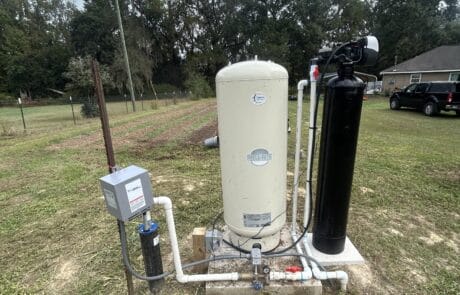
Private wells deliver untreated groundwater, which can carry iron, sulfur, hardness and microbes; wells also bring a pump and a pressure tank into the plan. A carbon unit that suits a city line may be useless against the main problem of a well; mention the source on the first call.
When the Lights Go Out: What to Check Afterward
Pumps, injectors and controllers all depend on electricity, and an outage pauses every one of them; a quick look at the salt level and the drain line completes the check. Equipment that sat in floodwater needs inspection before it goes back into service; photographs taken before the season make later comparisons easier.
Practical Details Homeowners Ask About: Tanks, Hums and Cabinets
A recharge brings gurgling and flowing noises for a spell, usually at a scheduled hour, and the location is chosen to keep lines short and service easy. Sunlight can damage clear housings and warm the supply, so shade is sensible outdoors; a sketch of the space helps the planning.
Upgrading What Is Already There – Reading Old Labels
Older units may still work but have worn parts, such as seals, valves, resin or membranes, and the readings guide whether to repair, keep or replace. Mixing parts from different makers is possible, though compatibility needs checking, and old manuals are worth saving.
Larger Buildings and Heavier Demand – Keeping Service Running
Boilers, cooling equipment and ice makers can be sensitive to scale, which shapes the design; a duplex arrangement keeps soft supply flowing through each recharge. Training the people on site about shutoffs and alarms prevents small problems from growing, and it supports any later troubleshooting.
Maintenance Rhythm – Small Tasks That Protect Big Parts
Every type of equipment has a consumable: salt for softeners, cartridges for filters, membranes for osmosis units; a label on each housing with the install date helps. Warning signs include a return of the old taste, scale reappearing and a drop in pressure; an annual look at the controls is sensible.
Closing the Loop – Filing the Evidence
The most reliable verification is a fresh panel run on the same items as before; collecting at the same tap, in the same way, keeps the comparison fair. If a reading is still high, the report guides the next adjustment; the file is useful for a future sale.
Limits to Keep in Mind – Read the Fine Print
Equipment performs within limits set by its design, the supply and the upkeep; ask how that is demonstrated. A provider unwilling to discuss limits is one to think twice about, and the same standard applies to anything written on this page.
Comparing Proposals: Points Worth Raising
- Which lab results is the proposal based on, and which items does it address, and the proposal should say so on paper.
- Which local rules apply to this installation, and who handles them, and how can questions be raised afterward.
- What signs should prompt a call before the next scheduled check; ask about it before work starts.
Getting Advice – Share Your Lab Report
Dial Ackuritlabs And Aqua Systems at 850-616-2634 to go over the lab report and the symptoms at your tap.
What to Remember – Upkeep Keeps It Working
Good outcomes come from habits worth repeating: testing first, buying second and checking afterward; whatever has brought you to read about Chlorination System Installation near Newport Florida, a short call sorts out where to begin. Questions are welcome at 850-616-2634, where Ackuritlabs And Aqua Systems can lay out the options; the details you share shape the advice.
Verified

Verified
Verified
Verified
Verified