Weighing Options for Salt-Free Water Softener in Newport Florida?
Equipment gets chosen to fix a measured problem, and the fix is only as good as the diagnosis behind it; the sections below describe what each option does and where it stops.
Dial Ackuritlabs And Aqua Systems at 850-616-2634 and say whether the supply is a well or a city line.
Diagnosis First: Why Skipping It Backfires
Orange stains, chalky scale and a swampy smell can each have a separate cause, and each calls for different gear, which keeps the proposal tied to evidence. Even a brief description of the symptoms helps decide which measurements to order, and a short delay beats replacing the wrong unit.
Softening: a Bed of Beads and a Brine Tank
A conventional softener passes the supply through a bed of resin beads that grab calcium and magnesium, and the stored brine is topped up with salt as needed. Scale buildup on heaters, kettles and shower heads slows down where hardness has been removed; it is not meant to filter out bacteria or chemicals.
Scale Control Without Salt: an Honest Comparison
These devices work on how scale sticks, and they do not strip the minerals out; people choose these devices to avoid salt, brine discharge and a drain connection. Expect scale to be reduced rather than eliminated, and expect no change in how soap lathers; ask what the device will not do.
Taste and Odor Control: Why Cartridges Run Out
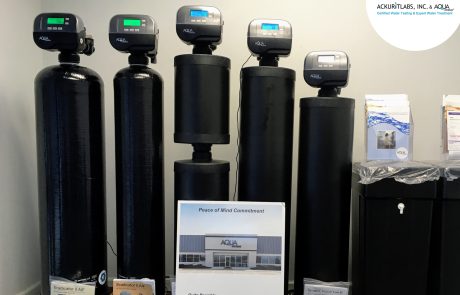
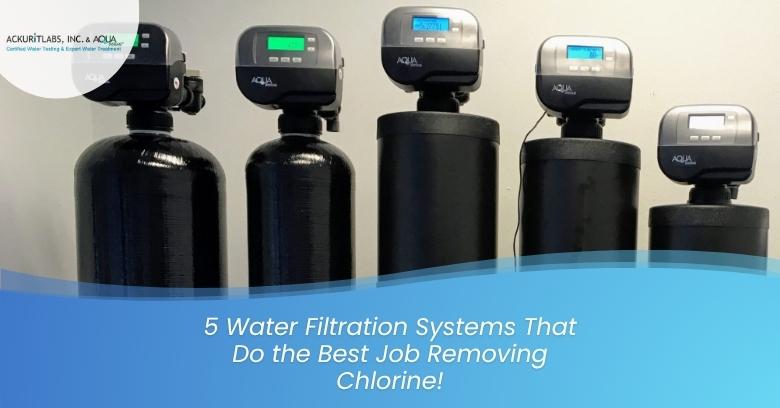
Filters based on carbon are the usual choice for chlorine taste and many household odors, and the lab or the utility report can say. Every carbon filter eventually fills up, so replacement or backwashing is part of owning one, and the maker's change interval is a guide, not a promise.
Housings and Replaceable Elements: Sizes, Ratings and Swaps
Grit and flakes get stopped by a pleated or wound element sitting in a clear or opaque canister, and a smaller rating catches finer particles but clogs sooner. Pressure falls as an element loads up, which is the practical signal to swap it; keep a spare cartridge on a shelf.
The Under-Sink Purifier – Dissolved Solids Reduced
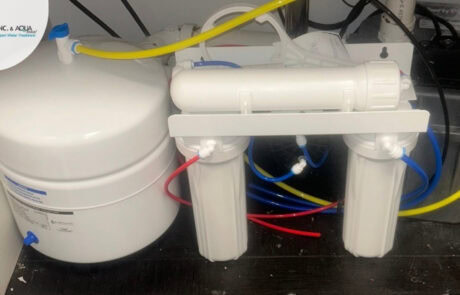
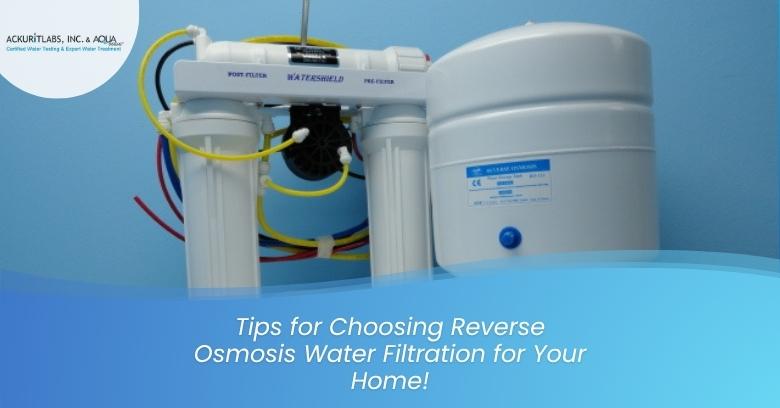
Dissolved solids stay on one side of the membrane and get flushed away; the rejected stream runs to a drain, so a connection to the sink drain is part of the installation. Reverse osmosis units reduce many dissolved substances, though performance varies by model and by supply; the provider can explain what to expect for your supply.
Feeding Chlorine Into the Line: Why Dose Control Matters
A chlorine injector meters a small amount of disinfectant into the line ahead of a holding tank; time in the tank is what makes the reaction complete. The final stage polishes taste and removes what remains of the disinfectant, and chemical equipment is installed and set up with care.
Where the Equipment Sits: Planning the Pipe Run
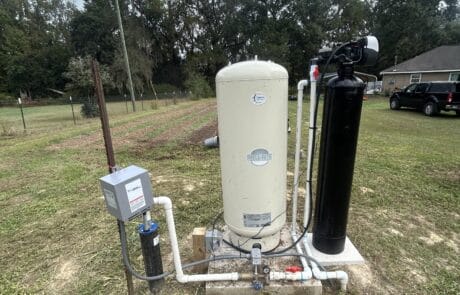
Whole-house layouts put one set of equipment ahead of every fixture; larger tanks and brine cabinets take real room. Where only one fixture matters, a compact installation avoids treating the whole house, and it shows which walls and lines are involved.
Sizing – Pressure Drop and Pace
The size of the housing and the volume of media set how much a system can handle; high readings use up capacity faster. Oversizing has drawbacks too, since idle media can foul and extra tanks need space, and an installer should explain why a particular size was chosen.
Practical Requirements – Codes and Neighbors
A bypass lets the household isolate a unit without shutting off the whole supply; the walk-through before work matters. Permits or inspections can be required in some jurisdictions, depending on the work; a tidy install is easier to maintain.
Private Source or Public Main – Raw Groundwater Versus Treated
Supply from a public system arrives already disinfected, which changes what is left to fix, whereas chlorine and chloramine lead the list on a city line. Equipment picked from a neighbor's experience may not suit a different source; each property gets its own plan.
Hurricane-Season Readiness – Resetting the Clock and the Valve
A unit left without power may skip a scheduled recharge, which leaves the media tired when flow resumes, since a stuck valve is easier to catch early. Anything touched by flooding, including a well pump and chemical feed gear, deserves a professional look, and the provider can describe what a post-storm check involves.
Living With the Equipment: Keeping the Area Tidy
Compressors and pumps are the noisiest parts of larger systems, and they normally sit in a mechanical space, which is worth thinking through before delivery. Leaving room to open lids, change cartridges and read gauges makes upkeep a quick job; a sketch of the space helps the planning.
Replacement and Add-Ons: Planning a Sensible Sequence
A house may come with equipment that nobody remembers installing, so a look at the labels is the first step; the model number on the label usually leads to a manual and a parts list. New components usually have to fit the pipe sizes, the pressure and the drain already in place, and the installer should explain what is being kept.
Equipment for Operations: Written Specifications
Commercial installations are usually specified on paper, with flow rates and targets spelled out; the existing mechanical room often decides what fits. A property manager benefits from a maintenance plan that lists tasks, intervals and who does them, because early warning beats a repair.
Service Schedule: Signs a Unit Needs Attention
Every type of equipment has a consumable: salt for softeners, cartridges for filters, membranes for osmosis units; a label on each housing with the install date helps. Warning signs include a return of the old taste, scale reappearing and a drop in pressure, and a retest confirms the numbers.
The Second Sample – Filing the Evidence
Measurements taken after setup show the change in black and white, which matters for cartridges and media that wear. A result that falls short is information, and it points to what to add or change; store copies where they can be found.
What Equipment Cannot Do: Misuse and Misfit
Equipment performs within limits set by its design, the supply and the upkeep; ask how that is demonstrated. Anyone selling treatment equipment should be able to explain what it reduces and what it leaves alone; clear explanations are the best sign.
Before You Sign – Written Answers Preferred
- What does the proposal assume about hardness, iron and chlorine, and where did those figures come from, and what stays the same afterward.
- Where will the drain, the power and the bypass go, and what will be cut or moved; get the details itemized.
- How will you know the equipment is working a few months from now; write the answers down.
Getting Advice: Questions Are the Starting Point
Speak with Ackuritlabs And Aqua Systems at 850-616-2634 and describe the house, the plumbing and what you want changed.
Bringing It Together: Test, Choose, Install, Confirm
A dependable setup follows a sequence: measure the supply, pick equipment to suit, install it carefully and test again, and for Salt-Free Water Softener in Newport Florida the first step is a conversation about the supply and the symptoms. You can speak with Ackuritlabs And Aqua Systems at 850-616-2634 about your plumbing and your goals; mention whether the supply is a well or a utility line.
Verified

Verified
Verified
Verified
Verified