Looking for Commercial Water Filtration for a Property in Ochlockonee Bay Florida?
Each piece of hardware on the market answers a particular complaint, and none answers all of them; the sections below describe what each option does and where it stops.
Dial Ackuritlabs And Aqua Systems at 850-616-2634 and say whether the supply is a well or a city line.
The Step Ahead of the Purchase: Why Skipping It Backfires
Equipment bought off a shelf may handle a different problem than the one at the tap, which keeps the proposal tied to evidence. If the history of the supply is unknown, a baseline panel is the sensible opener; patience at this stage tends to save money later.
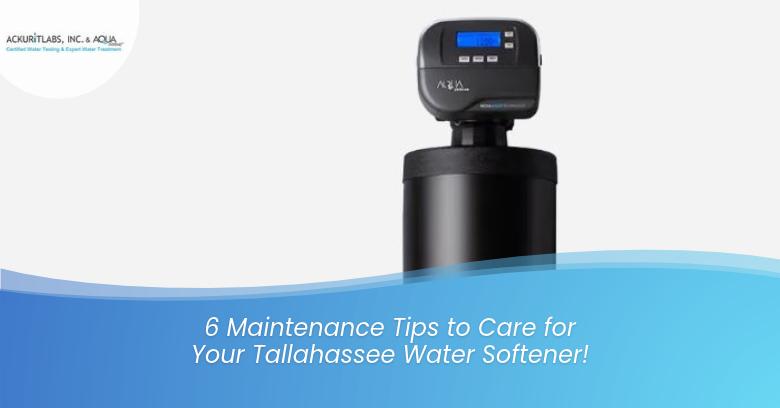
Softening – Swapping Minerals for Sodium or Potassium
Hardness minerals stick to a charged resin, which swaps them for sodium or potassium ions, and a salt or potassium brine recharges the bed on a schedule. Softened supply leaves less scale on fixtures, glass and heating elements; other equipment handles those jobs.
Template-Assisted Units – Setting Expectations
The minerals stay in the supply, but the device nudges them toward forming less scale on surfaces, and maintenance is limited to replacing the media on a schedule. Anyone expecting the soft feel of a true softener should know the two are different things, and it helps compare options fairly.
Activated Carbon: Why Cartridges Run Out
A carbon bed or block is the common answer when a city supply tastes or smells of disinfectant; it helps to know what the utility adds. Every carbon filter eventually fills up, so replacement or backwashing is part of owning one, and the provider can estimate a schedule.
Housings and Replaceable Elements – Catching Grit Before It Travels On
The simplest way to protect a pump, a softener or a fixture is usually a sediment screen ahead of it, and the sequence is part of the design. Putting stages in the wrong order shortens the life of the costlier cartridge; keep a spare cartridge on a shelf.
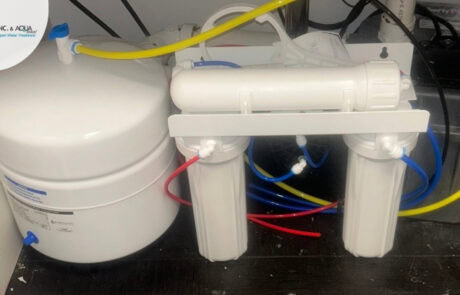
Reverse Osmosis: Where It Sits and What It Wastes
Dissolved solids stay on one side of the membrane and get flushed away; most home units sit under a sink and serve one tap. Some units add minerals back after the membrane to adjust taste; the provider can explain what to expect for your supply.
Chlorination – the Carbon Stage Afterward
A pump, a tank and a backwashing filter form the heart of a chlorination setup, and it also acts on bacteria in the supply. Where the supply is meant for drinking, the leftover chlorine is filtered off; chemicals are stored and handled according to the label.
Where the Equipment Sits: Planning the Pipe Run
A unit at the main line treats every tap, the shower, the washer and the water heater; a garage or utility closet often becomes the home. Where only one fixture matters, a compact installation avoids treating the whole house, and the two approaches work well together.
Flow Rate and Capacity – Pressure Drop and Pace
Ratings printed on the label describe the equipment, and the installer matches them to the building; a unit that is too small shortens the time between regenerations. A well-matched system suits the building rather than the biggest model on offer, and a vague one deserves a follow-up question.
Practical Requirements – Planning for Service Access
Most systems need a bypass valve so the plumbing can keep flowing during service; the installer plans the route up front. Codes affect drain connections, backflow protection and the placement of equipment; measure before ordering.
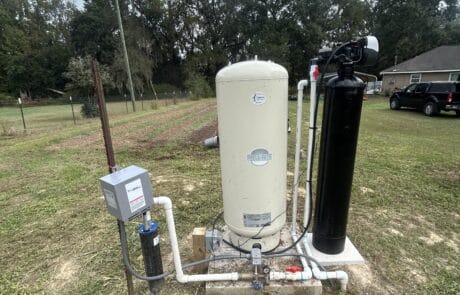
Two Starting Points – Pressure Tanks and Pumps
Supply from a public system arrives already disinfected, which changes what is left to fix, and the right system differs accordingly. A carbon unit that suits a city line may be useless against the main problem of a well; neighbors on the same aquifer can still differ.
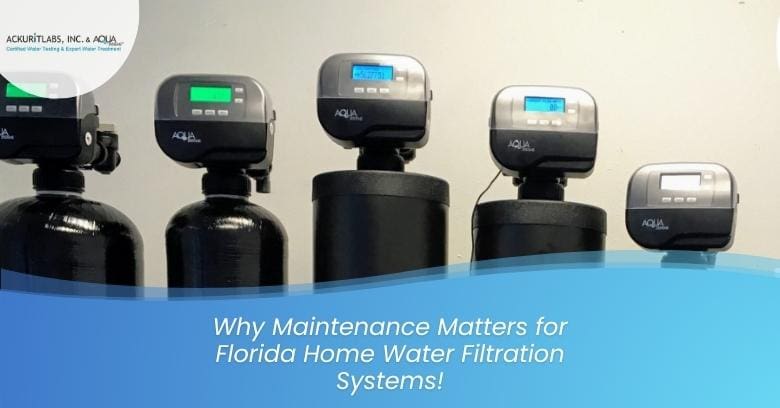
When the Lights Go Out: Controllers, Pumps and Flooding
Softeners and filters with electronic controllers can lose their settings in a long outage unless a backup battery holds them; checking the time and the settings after power returns takes a minute. Silt in a housing, a wet motor or a corroded joint can turn a repair into a replacement; photographs taken before the season make later comparisons easier.
Day-to-Day Presence: Keeping the Area Tidy
Most residential units are quiet, and the sounds they make are short bursts when a valve cycles or a recharge runs, and the location is chosen to keep lines short and service easy. Equipment is easiest to live with when the controls and the drain sit where a person can reach them; measure doors and hallways as well.
An Older System in the Garage – Keep, Repair or Replace
A house may come with equipment that nobody remembers installing, so a look at the labels is the first step; the model number on the label usually leads to a manual and a parts list. A sediment screen or a carbon stage can often be added without replacing everything; photographs of the current setup speed up the first conversation.
When a Property Has Many Users – Keeping Service Running
Boilers, cooling equipment and ice makers can be sensitive to scale, which shapes the design; the survey of the site comes first. Staff who run the building need to know where the valves are and what each one does; ask what monitoring the equipment offers.
Maintenance Rhythm – Small Tasks That Protect Big Parts
Treatment is not a one-time purchase, since something wears out or runs low on every system; the manual lists intervals, though a heavy load shortens them. Noisy valves, salt bridges in the tank and slow flow are signs worth a look, and a service call beats a failed system.
Closing the Loop: When to Retest
The most reliable verification is a fresh panel run on the same items as before, and the lab can run the identical methods again. A result that falls short is information, and it points to what to add or change; dates on everything keep the record clear.
Limits to Keep in Mind: No Single Device Fixes Everything
No single device removes every substance, and a pitch that one box covers everything deserves doubt; read the data sheet, not just the front of the box. Honest answers sound specific, and vague answers sound like a sales line, and a plain no is sometimes the most useful answer.
Comparing Proposals: Scope, Parts and Follow-Up
- Which lab results is the proposal based on, and which items does it address, and the proposal should say so on paper.
- Who installs the equipment, and who services it after the job is done, and how can questions be raised afterward.
- What does a retest look like, and when is it scheduled, and what does it say about future servicing.
Talking It Through: Describe the Problem First
Phone Ackuritlabs And Aqua Systems at 850-616-2634 and ask what to collect before any equipment is chosen.
The Short Version: Test, Choose, Install, Confirm
The reliable path runs from a lab figure, through a sensible choice of equipment, to a retest that shows the change, and everything above about Commercial Water Filtration in Ochlockonee Bay Florida is general background, not a verdict. Call 850-616-2634 to reach Ackuritlabs And Aqua Systems and talk over your situation; mention whether the supply is a well or a utility line.
Verified

Verified
Verified