Weighing Options for Residential Water Filtration for a Property in Ochlockonee Bay Florida?
Equipment gets chosen to fix a measured problem, and the fix is only as good as the diagnosis behind it, and the sections below cover sizing, setup and upkeep.
Phone Ackuritlabs And Aqua Systems at 850-616-2634 and say whether the supply is a well or a city line.
Diagnosis First – Reading the Problem Correctly
Three households with the same complaint can need three different systems, because the underlying chemistry differs; most reputable providers ask for results before quoting a system. Even a brief description of the symptoms helps decide which measurements to order; skipping ahead is where most mismatches begin.
Taking Out Hardness: How the Resin Works
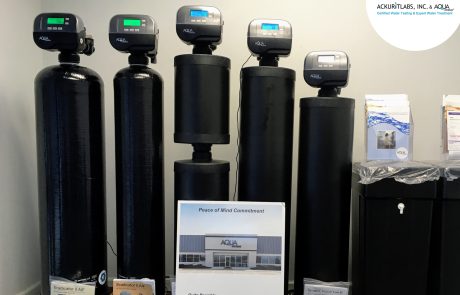
Hardness minerals stick to a charged resin, which swaps them for sodium or potassium ions; a control valve decides when to regenerate by clock or by usage. Where a softener is sized correctly, white crust becomes much less of a chore, and it will not change the taste of the supply on its own.
Scale Control Without Salt: an Honest Comparison
The minerals stay in the supply, but the device nudges them toward forming less scale on surfaces; they need no electricity in many designs. A conditioner will not give the slick feel that a softened supply has in the shower; being clear on this point prevents disputes later.
Taste and Odor Control – Contact Time and Capacity
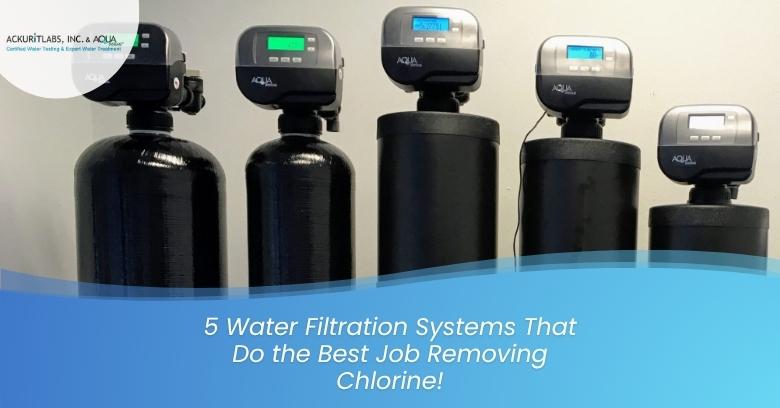
Porous carbon traps many organic molecules and chlorine on its surfaces as flow moves across them, and the lab or the utility report can say. Carbon has a limited capacity, and once it is spent, it stops doing its job, and the provider can estimate a schedule.
Canisters on the Line: Reading the Micron Number
Sediment cartridges screen out sand, rust flakes and silt before they reach appliances, and a smaller rating catches finer particles but clogs sooner. A carbon cartridge installed in the same housing style handles taste while the sediment unit handles grit; keep a spare cartridge on a shelf.
High-Pressure Polishing – Dissolved Solids Reduced
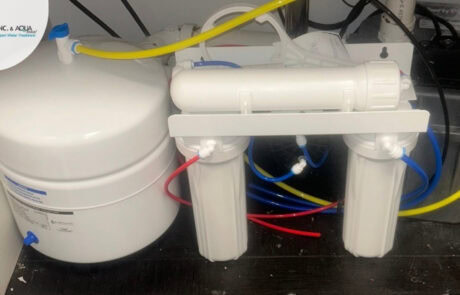
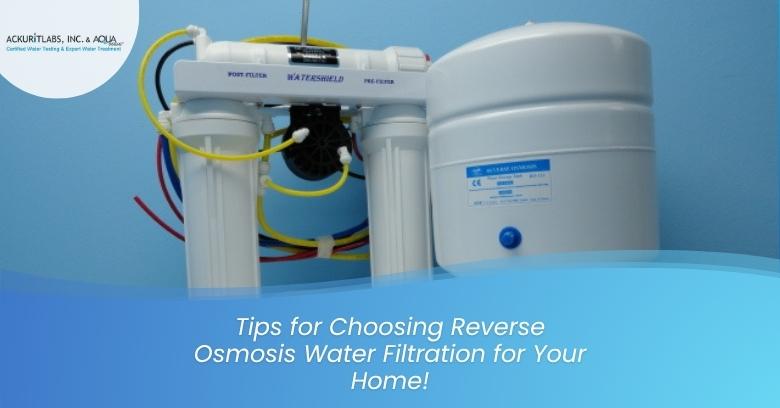
The membrane is the center of the system, flanked by pre-filters and a final carbon stage; compact units fit under a sink and serve a single tap. The reduction achieved depends on membrane condition, pressure and what is in the feed; ask for the maintenance schedule in writing.
Injectors and Contact Tanks – Time, Dose and Cleanup
Where a well carries iron, sulfur or microbes, injecting chlorine is a long-established approach, and the dose is set from lab readings. Residual chlorine has to be removed afterward, and a carbon filter normally takes that job; dosing is not a do-it-yourself guess.
Whole-House or Single-Tap – Matching Scope to Need
Point-of-entry installations deal with problems that affect the entire plumbing system; the flow at the entry is worth measuring before ordering. Single-tap filters and membranes work where only drinking supply needs the extra step; ask for a simple diagram of the plan.
Sizing: What Undersizing Looks Like
Treating the household's peak demand, not its average, keeps pressure from dropping, along with the hardness or iron level on the lab report. An undersized system forces flow past the media too fast, which weakens the result, and an installer should explain why a particular size was chosen.
Plumbing, Power and Drain Needs: Tying Into Existing Lines
Valves around the equipment allow it to be taken out of service in minutes, and electrical needs vary from a plug-in transformer to a dedicated circuit. Whoever does the installation should be able to say what the local rules ask for; leave room to open the tank lid and swap a cartridge.
Private Source or Public Main – Pressure Tanks and Pumps
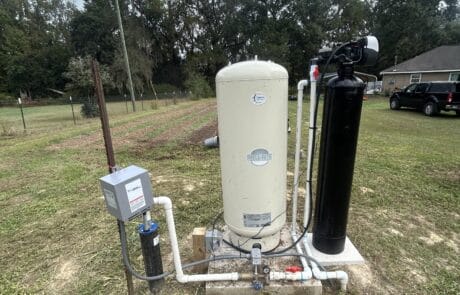
Private wells deliver untreated groundwater, which can carry iron, sulfur, hardness and microbes; wells also bring a pump and a pressure tank into the plan. The provider needs to know which source feeds the house before suggesting anything, and a lab report removes most of the guesswork.
Weather and the Equipment Room – Protecting Gear From Surge and Silt
Pumps, injectors and controllers all depend on electricity, and an outage pauses every one of them, and the manual shows how to reset the controller. Equipment that sat in floodwater needs inspection before it goes back into service; write down the shutoff locations.
Noise, Space and Appearance: Garages, Closets and Mechanical Rooms
Most residential units are quiet, and the sounds they make are short bursts when a valve cycles or a recharge runs; a garage, a utility closet or a pump house is the usual home. Some owners build a small enclosure, though it must not block air or access; measure doors and hallways as well.
Working With Existing Equipment: Test Before Deciding
Many properties already have a tank, a filter housing or an under-sink unit, and the question is whether it still suits the supply, which helps weigh a repair against a new unit. Adding a stage to an existing setup requires attention to order, flow rate and pressure drop; photographs of the current setup speed up the first conversation.
When a Property Has Many Users – Keeping Service Running
Business equipment is sized for higher flows and often arranged in pairs so one tank can work while the other recharges, and a drawing of the proposed layout is a reasonable request. Commercial owners usually want service records, so the system should make them easy to keep, because early warning beats a repair.
Service Schedule: Salt, Cartridges and Media
Soft supply depends on a brine tank that is kept stocked; a label on each housing with the install date helps. If stains come back, or the taste creeps back, something in the chain has used up its capacity; an annual look at the controls is sensible.
Confirming the Result: Tracking Performance
Nothing beats a repeat panel for showing whether the readings moved, and the lab can run the identical methods again. Treatment can reduce certain items without eliminating them, and the report shows by how much; dates on everything keep the record clear.
Expectations Worth Setting: No Single Device Fixes Everything
Equipment performs within limits set by its design, the supply and the upkeep; compare the data sheet with your lab report. Anyone selling treatment equipment should be able to explain what it reduces and what it leaves alone; weigh each source on how specific it is.
Comparing Proposals – Written Answers Preferred
- What does the proposal assume about hardness, iron and chlorine, and where did those figures come from; a specific answer is what you want.
- Who installs the equipment, and who services it after the job is done; get the details itemized.
- How will you know the equipment is working a few months from now; write the answers down.
Start the Conversation – Share Your Lab Report
Dial Ackuritlabs And Aqua Systems at 850-616-2634 and describe the house, the plumbing and what you want changed.
The Short Version – Upkeep Keeps It Working
Matching a device to a lab result, sizing it to the building and keeping up with upkeep is the whole recipe, because each property in Ochlockonee Bay Florida has its own story, whatever any page says about Residential Water Filtration. Call 850-616-2634 to reach Ackuritlabs And Aqua Systems and talk over your situation; the call goes quickly.
Verified

Verified
Verified
Verified
Verified