Need Water Filtration System for a Property in Ochlockonee Bay Florida?
A treatment system is a tool for one job, so the job has to be named before the tool is picked; read on for how the pieces fit together.
Contact Ackuritlabs And Aqua Systems at 850-616-2634 to ask how an installation is planned.
Before Any Equipment – Reading the Problem Correctly
A smell, a stain or a taste is a symptom, and the symptom alone rarely identifies the cure, which keeps the proposal tied to evidence. A first conversation commonly ends with advice on what to sample before the next step; the equipment decision waits until the numbers are in.
Ion Exchange – Swapping Minerals for Sodium or Potassium
A conventional softener passes the supply through a bed of resin beads that grab calcium and magnesium; the unit needs a drain line and a power outlet. Where a softener is sized correctly, white crust becomes much less of a chore; other equipment handles those jobs.
Alternatives to the Brine Tank – Changing How Scale Forms
These devices work on how scale sticks, and they do not strip the minerals out; they need no electricity in many designs. The results are described best as less crust, not no crust, and it helps compare options fairly.
Adsorption Media: Why Cartridges Run Out
Carbon holds onto certain compounds as supply passes through, which cuts chlorine taste and some odors, and the lab or the utility report can say. Every carbon filter eventually fills up, so replacement or backwashing is part of owning one, and the maker's change interval is a guide, not a promise.
Canisters on the Line: Keeping Spare Elements
Grit and flakes get stopped by a pleated or wound element sitting in a clear or opaque canister; a series of coarse then fine elements spreads the load. The installer chooses which element goes first, because a clogged first stage starves the rest; replacements are sold by size, so note the model.
Membrane Systems – Dissolved Solids Reduced
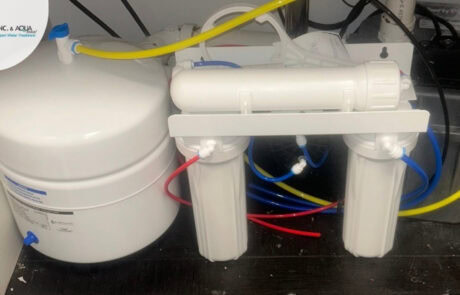
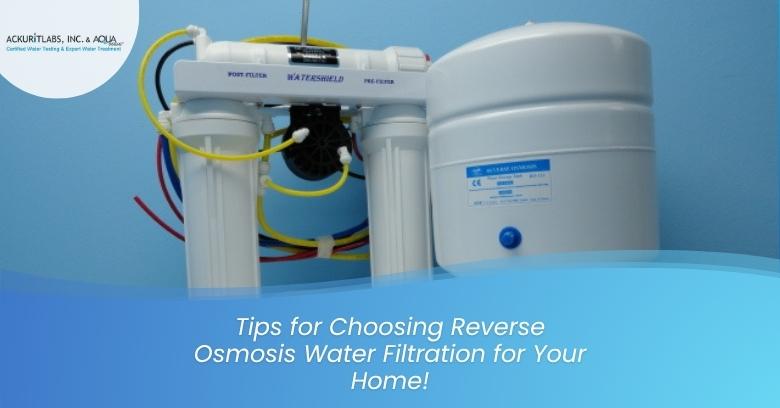
The membrane is the center of the system, flanked by pre-filters and a final carbon stage; the rejected stream runs to a drain, so a connection to the sink drain is part of the installation. A lab test before and after is the reliable way to know what a particular system achieves; a leak sensor is a sensible add-on.
Injectors and Contact Tanks: Why Dose Control Matters
A metering pump feeds sodium hypochlorite into the flow, and a tank gives it time to react, and it also acts on bacteria in the supply. Residual chlorine has to be removed afterward, and a carbon filter normally takes that job; a wrong dose helps nobody.
Scope of a System: What Each Layout Covers
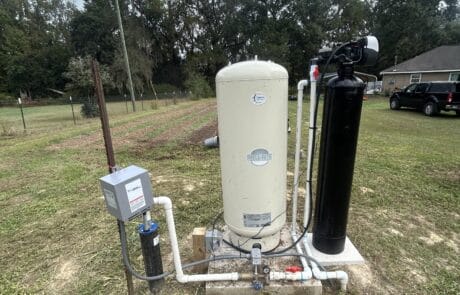
A unit at the main line treats every tap, the shower, the washer and the water heater; a garage or utility closet often becomes the home. Smaller units at one sink target what people drink, leaving the rest of the plumbing alone; ask for a simple diagram of the plan.
Flow Rate and Capacity: What Undersizing Looks Like
A unit has two numbers that matter: a peak flow rating and a capacity between cleanings; high readings use up capacity faster. Oversizing has drawbacks too, since idle media can foul and extra tanks need space, and an installer should explain why a particular size was chosen.
Practical Requirements – Codes and Neighbors
Shutoffs on both sides of a unit make servicing simple; chlorine feed pumps and contact tanks add their own requirements. Whoever does the installation should be able to say what the local rules ask for; measure before ordering.
What Changes by Source: Planning Around the Source
Supply from a public system arrives already disinfected, which changes what is left to fix; sediment and iron tend to be the early concerns. Equipment picked from a neighbor's experience may not suit a different source, and a lab report removes most of the guesswork.
Weather and the Equipment Room: What to Check Afterward
Many controllers keep their program in memory for a short while, and then need to be set again, and a surge protector on the outlet is sensible protection for the electronics. Equipment that sat in floodwater needs inspection before it goes back into service, and the provider can describe what a post-storm check involves.
Practical Details Homeowners Ask About – Reaching the Controls
A recharge brings gurgling and flowing noises for a spell, usually at a scheduled hour, and the location is chosen to keep lines short and service easy. Sunlight can damage clear housings and warm the supply, so shade is sensible outdoors; a tank that cannot get through a doorway is a common surprise.
Inherited Hardware: Test Before Deciding
Equipment bought long ago was chosen for a supply that may have changed since, and the provider can often read the date code. Adding a stage to an existing setup requires attention to order, flow rate and pressure drop, and the installer should explain what is being kept.
Larger Buildings and Heavier Demand: Written Specifications
Commercial installations are usually specified on paper, with flow rates and targets spelled out; the survey of the site comes first. Commercial owners usually want service records, so the system should make them easy to keep, and it supports any later troubleshooting.
Maintenance Rhythm: Salt, Cartridges and Media
Filters eventually clog, and carbon eventually saturates, so each has a replacement interval; adjust to what the supply actually does. If stains come back, or the taste creeps back, something in the chain has used up its capacity; the provider can inspect and adjust.
Closing the Loop: When to Retest
A sample collected after the system is running shows whether the problem was solved; a retest a few months in shows whether the system is holding. Treatment can reduce certain items without eliminating them, and the report shows by how much; dates on everything keep the record clear.
Where Hardware Stops: No Single Device Fixes Everything
Equipment performs within limits set by its design, the supply and the upkeep; ask for the specific substances a product addresses. Honest answers sound specific, and vague answers sound like a sales line, and a plain no is sometimes the most useful answer.
Comparing Proposals: Scope, Parts and Follow-Up
- Is the recommended size tied to the lab figures and the household's flow; vague answers deserve a follow-up.
- Where will the drain, the power and the bypass go, and what will be cut or moved; a walk-through at the end is reasonable to ask for.
- Where should the paperwork for the system be stored, and what does it say about future servicing.
Getting Advice – One Call Sorts Out Next Steps
Speak with Ackuritlabs And Aqua Systems at 850-616-2634 and describe the house, the plumbing and what you want changed.
Pulling the Threads: Test, Choose, Install, Confirm
Matching a device to a lab result, sizing it to the building and keeping up with upkeep is the whole recipe, because each property in Ochlockonee Bay Florida has its own story, whatever any page says about Water Filtration System. Call 850-616-2634 to reach Ackuritlabs And Aqua Systems and talk over your situation, and share what the lab report shows.
Verified

Verified
Verified
Verified
Verified