Weighing Options for Water Filtration in Ochlockonee Bay Florida?
Good installations start from a lab result and work toward a device that suits it, and the sections below cover sizing, setup and upkeep.
Phone Ackuritlabs And Aqua Systems at 850-616-2634 and describe the stains, scale or smells you want gone.
Diagnosis First: a Lab Number Beats a Guess
Three households with the same complaint can need three different systems, because the underlying chemistry differs; most reputable providers ask for results before quoting a system. Anyone without a recent report can usually be pointed to a suitable panel first; patience at this stage tends to save money later.
Resin Tanks – Swapping Minerals for Sodium or Potassium
Hardness minerals stick to a charged resin, which swaps them for sodium or potassium ions, and the stored brine is topped up with salt as needed. Where a softener is sized correctly, white crust becomes much less of a chore, though a softener does little for iron staining beyond a modest level.
Scale Control Without Salt – Changing How Scale Forms
Nothing is exchanged, so the lab number for hardness reads the same before and after; people choose these devices to avoid salt, brine discharge and a drain connection. The results are described best as less crust, not no crust; ask what the device will not do.
Carbon Filtration – Granular Beds and Blocks
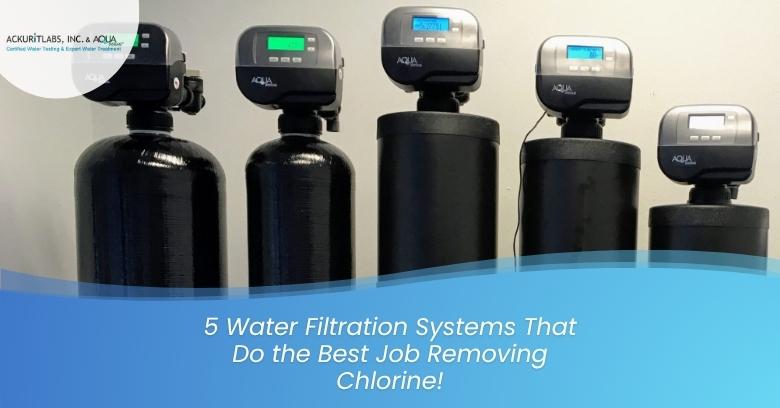
Surfaces inside the carbon grab onto particular chemicals, leaving a cleaner taste behind; it helps to know what the utility adds. Capacity depends on how much is in the supply and how much a household uses; keeping a date on the housing is a good habit.
Housings and Replaceable Elements – Why Order Matters
The simplest way to protect a pump, a softener or a fixture is usually a sediment screen ahead of it; a series of coarse then fine elements spreads the load. Pressure falls as an element loads up, which is the practical signal to swap it; replacements are sold by size, so note the model.
Drinking Supply Upgrades: Fair Expectations
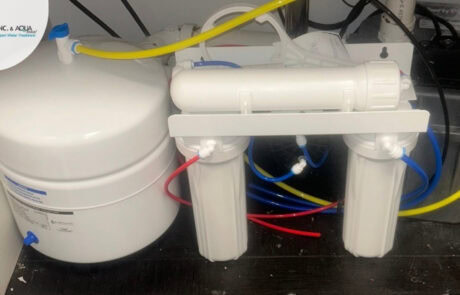
The membrane is the center of the system, flanked by pre-filters and a final carbon stage; compact units fit under a sink and serve a single tap. Pre-filters protect the membrane, and replacing them on time protects the system, and the reject volume is worth asking about.
Injectors and Contact Tanks: What the Installer Sets Up
A metering pump feeds sodium hypochlorite into the flow, and a tank gives it time to react; time in the tank is what makes the reaction complete. After the contact tank, a carbon stage strips leftover chlorine so the tap smells clean; dosing is not a do-it-yourself guess.
Whole-House or Single-Tap: Planning the Pipe Run
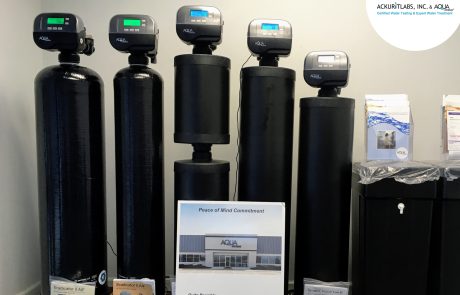
Equipment where the supply enters the building protects all the plumbing downstream; scale, iron and chlorine are the usual reasons to go this route. A point-of-use unit serves a single faucet, usually the kitchen, and suits drinking and cooking, and the two approaches work well together.
Flow Rate and Capacity: Room to Grow
A unit has two numbers that matter: a peak flow rating and a capacity between cleanings; the number of bathrooms and people is part of the calculation. Oversizing has drawbacks too, since idle media can foul and extra tanks need space; a reasoned answer is a good sign.
Space and Connections: Tying Into Existing Lines
Most systems need a bypass valve so the plumbing can keep flowing during service; the walk-through before work matters. Local plumbing and electrical rules may apply, and the installer is the one to know them; a tidy install is easier to maintain.
What Changes by Source: Chlorine Added or Not
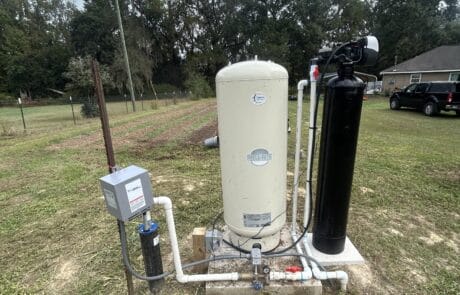
A well has no utility between it and the tap, so equipment often handles more of the load, and the right system differs accordingly. A quick description of the plumbing path is enough to start the right conversation; neighbors on the same aquifer can still differ.
Storms and Power Interruptions – Protecting Gear From Surge and Silt
Electronic valves keep time with the power, so a clock that resets can trigger recharges at odd hours, and the manual shows how to reset the controller. Silt in a housing, a wet motor or a corroded joint can turn a repair into a replacement; ask the installer what to do before a storm.
Living With the Equipment: Garages, Closets and Mechanical Rooms
Pumps and metering equipment hum when they work, so placement matters for bedrooms and offices, and the location is chosen to keep lines short and service easy. Some owners build a small enclosure, though it must not block air or access, and the installer can suggest a layout.
Upgrading What Is Already There – Keep, Repair or Replace
Equipment bought long ago was chosen for a supply that may have changed since; the model number on the label usually leads to a manual and a parts list. New components usually have to fit the pipe sizes, the pressure and the drain already in place, and old manuals are worth saving.
Treatment at Business Scale – Coordinating With Maintenance
Restaurants, offices and apartment buildings draw far more than a house, and the gear is scaled to match; a duplex arrangement keeps soft supply flowing through each recharge. Written procedures and a labeled schematic make handovers between staff smoother, and the provider can supply those if asked.
Routine Care – Setting Reminders
Filters eventually clog, and carbon eventually saturates, so each has a replacement interval; the manual lists intervals, though a heavy load shortens them. Bad smells from a filter housing mean it has gone too long; an annual look at the controls is sensible.
Closing the Loop – Numbers, Not Impressions
Nothing beats a repeat panel for showing whether the readings moved; a retest a few months in shows whether the system is holding. A result that falls short is information, and it points to what to add or change; the file is useful for a future sale.
Expectations Worth Setting: Misuse and Misfit
Equipment performs within limits set by its design, the supply and the upkeep; read the data sheet, not just the front of the box. A provider unwilling to discuss limits is one to think twice about, and the same standard applies to anything written on this page.
Questions for a Provider: Scope, Parts and Follow-Up
- What does the proposal assume about hardness, iron and chlorine, and where did those figures come from, and what stays the same afterward.
- Which local rules apply to this installation, and who handles them; ask for a copy of the manuals too.
- What does a retest look like, and when is it scheduled; follow-up is as important as the install.
A Call Before a Purchase: Questions Are the Starting Point
Dial Ackuritlabs And Aqua Systems at 850-616-2634 to go over the lab report and the symptoms at your tap.
The Short Version: Test, Choose, Install, Confirm
Every lasting installation rests on a clear diagnosis, a suitable size and regular care; this page on Water Filtration in Ochlockonee Bay Florida is a starting point, and the details of each property decide the rest. To get started, reach Ackuritlabs And Aqua Systems at 850-616-2634; the call goes quickly.
Verified

Verified
Verified
Verified
Verified