Need Commercial Water Treatment Company for a Property in Perry Florida?
Good installations start from a lab result and work toward a device that suits it; the sections below describe what each option does and where it stops.
Phone Ackuritlabs And Aqua Systems at 850-616-2634 to ask which questions come before any equipment.
The Order of Operations: Naming the Target
A smell, a stain or a taste is a symptom, and the symptom alone rarely identifies the cure, which keeps the proposal tied to evidence. Where no result exists yet, a provider can often suggest what to measure, and the choice of equipment follows once the numbers arrive.
Resin Tanks: Regeneration in Plain Terms
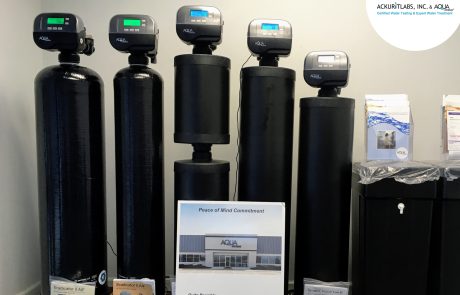
The core of a standard softener is a resin bed that exchanges hardness minerals for a softer ion; a control valve decides when to regenerate by clock or by usage. Softened supply leaves less scale on fixtures, glass and heating elements; it is not meant to filter out bacteria or chemicals.
Salt-Free Conditioners – Setting Expectations
Nothing is exchanged, so the lab number for hardness reads the same before and after, and maintenance is limited to replacing the media on a schedule. The results are described best as less crust, not no crust; asking for a plain description of the outcome avoids disappointment.
The Charcoal Option: Matching Carbon to the Target
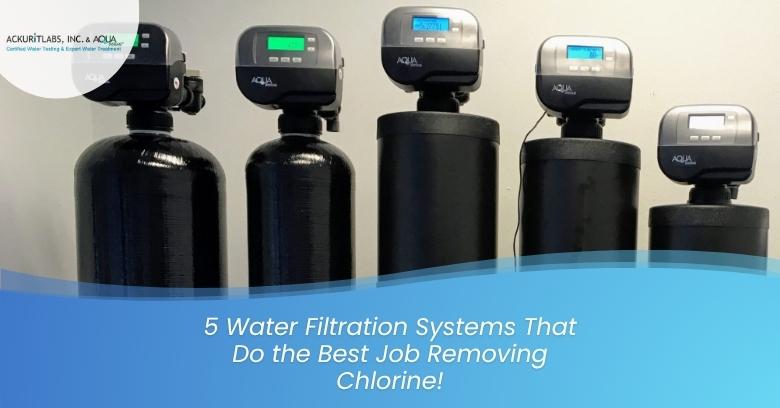
A carbon bed or block is the common answer when a city supply tastes or smells of disinfectant; it helps to know what the utility adds. Capacity depends on how much is in the supply and how much a household uses; a pre-filter often extends the life of the carbon.
Housings and Replaceable Elements: Sizes, Ratings and Swaps
Grit and flakes get stopped by a pleated or wound element sitting in a clear or opaque canister, which lets each cartridge last longer. Pressure falls as an element loads up, which is the practical signal to swap it; a wrench for the housing is a worthwhile purchase.
The Under-Sink Purifier: Fair Expectations
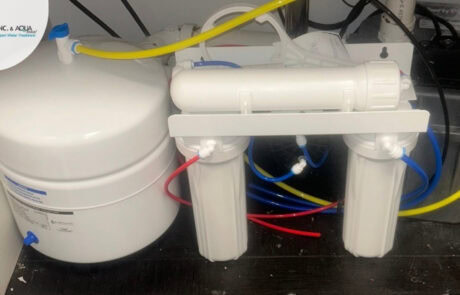
A small pump or the line pressure drives the flow through a membrane with extremely fine pores, and a small storage tank holds finished supply for the dedicated faucet. Pre-filters protect the membrane, and replacing them on time protects the system, and a membrane may last for a long stretch if it is protected.
Chlorination: a Metering Pump and a Retention Tank
Where a well carries iron, sulfur or microbes, injecting chlorine is a long-established approach; the chlorine oxidizes iron and sulfide into forms that can be filtered out. The final stage polishes taste and removes what remains of the disinfectant; dosing is not a do-it-yourself guess.
Point of Entry Versus Point of Use – One Tap, One Sink, One Appliance
Whole-house layouts put one set of equipment ahead of every fixture; a garage or utility closet often becomes the home. Where only one fixture matters, a compact installation avoids treating the whole house; the provider can sketch where each unit would go.
Sizing: What Undersizing Looks Like
A unit has two numbers that matter: a peak flow rating and a capacity between cleanings; high readings use up capacity faster. When a unit is too small, pressure falls at fixtures during busy mornings; the sizing is not a mystery.
What the Job Requires: the Checklist Behind a Clean Install
Most systems need a bypass valve so the plumbing can keep flowing during service; the walk-through before work matters. Codes affect drain connections, backflow protection and the placement of equipment, and access for servicing should be planned from the start.
Two Starting Points – Pressure Tanks and Pumps
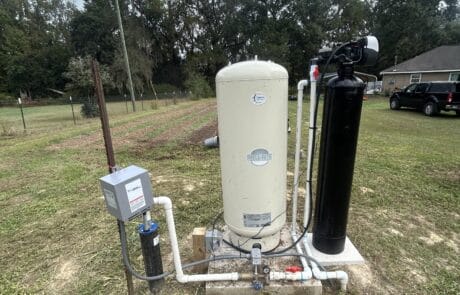
Private wells deliver untreated groundwater, which can carry iron, sulfur, hardness and microbes, whereas chlorine and chloramine lead the list on a city line. A quick description of the plumbing path is enough to start the right conversation; mention the source on the first call.
Weather and the Equipment Room – Protecting Gear From Surge and Silt
Many controllers keep their program in memory for a short while, and then need to be set again; a quick look at the salt level and the drain line completes the check. Silt in a housing, a wet motor or a corroded joint can turn a repair into a replacement; keep manuals and settings notes together.
Where Everything Goes – Reaching the Controls
Most residential units are quiet, and the sounds they make are short bursts when a valve cycles or a recharge runs; clear floor space around a tank makes salt loading simple. A tidy installation labels valves, supports the plumbing and keeps the area dry; a tank that cannot get through a doorway is a common surprise.
Working With Existing Equipment – Keep, Repair or Replace
A house may come with equipment that nobody remembers installing, so a look at the labels is the first step; a fresh lab panel shows whether the present system is still doing its job. Mixing parts from different makers is possible, though compatibility needs checking; ask for a plain list of what changes and what stays.
Commercial Systems: Duplex Tanks and Bigger Flows
Commercial installations are usually specified on paper, with flow rates and targets spelled out, and a drawing of the proposed layout is a reasonable request. Training the people on site about shutoffs and alarms prevents small problems from growing; ask what monitoring the equipment offers.
Upkeep: Salt, Cartridges and Media
Filters eventually clog, and carbon eventually saturates, so each has a replacement interval; adjust to what the supply actually does. Noisy valves, salt bridges in the tank and slow flow are signs worth a look; do not wait for a complete failure.
Confirming the Result – Filing the Evidence
Comparing a new lab report against the original is how a household confirms the hardware did its job, and the lab can run the identical methods again. Treatment can reduce certain items without eliminating them, and the report shows by how much, and keeping both reports together tells the story.
Honest Limits: Misuse and Misfit
Marketing language tends to be broader than what a product actually does; read the data sheet, not just the front of the box. A provider unwilling to discuss limits is one to think twice about; clear explanations are the best sign.
Before You Sign: Points Worth Raising
- Which lab results is the proposal based on, and which items does it address, and the proposal should say so on paper.
- Which local rules apply to this installation, and who handles them, and how can questions be raised afterward.
- Where should the paperwork for the system be stored; each of these is worth asking.
Getting Advice – One Call Sorts Out Next Steps
Dial Ackuritlabs And Aqua Systems at 850-616-2634 and ask what to collect before any equipment is chosen.
What to Remember: Next Steps
A dependable setup follows a sequence: measure the supply, pick equipment to suit, install it carefully and test again; whatever has brought you to read about Commercial Water Treatment Company near Perry Florida, a short call sorts out where to begin. The number to call is 850-616-2634, and the conversation is the first step, and say what you would like to change.
Verified

Verified
Verified
Verified
Verified