Looking for Water Filtration System Across Perry Florida?
Equipment gets chosen to fix a measured problem, and the fix is only as good as the diagnosis behind it; read on for how the pieces fit together.
Phone Ackuritlabs And Aqua Systems at 850-616-2634 and say whether the supply is a well or a city line.
Before Any Equipment: Naming the Target
Three households with the same complaint can need three different systems, because the underlying chemistry differs; a sample sent to a laboratory turns a guess into a figure. Anyone without a recent report can usually be pointed to a suitable panel first, and a short delay beats replacing the wrong unit.
The Salt-Based Softener: How the Resin Works
Hardness minerals stick to a charged resin, which swaps them for sodium or potassium ions; the unit needs a drain line and a power outlet. Scale buildup on heaters, kettles and shower heads slows down where hardness has been removed; it is not meant to filter out bacteria or chemicals.
Template-Assisted Units: No Drain, No Salt, Different Results
A salt-free unit does not remove calcium or magnesium; it alters how those minerals behave, though results vary with the water and the model. Anyone expecting the soft feel of a true softener should know the two are different things, and a good provider explains that before the purchase.
Taste and Odor Control: Chlorine, Odors and Organic Traces
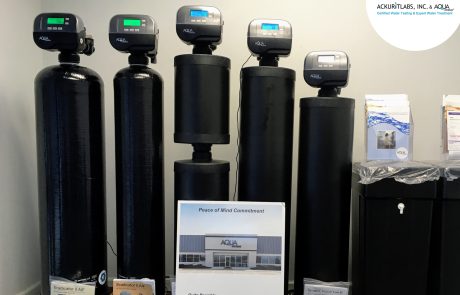
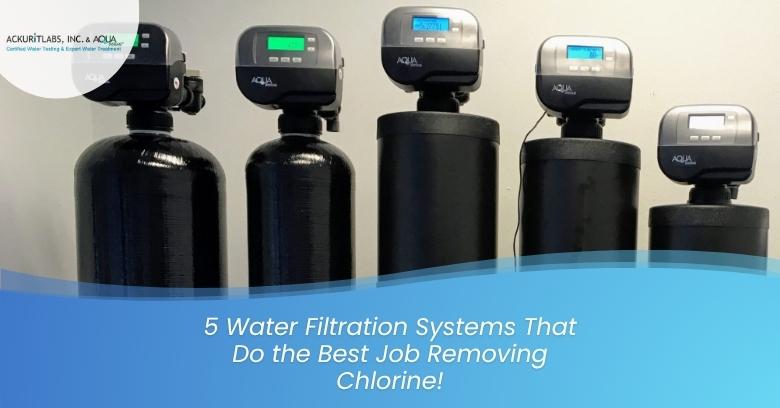
Surfaces inside the carbon grab onto particular chemicals, leaving a cleaner taste behind, and ordinary carbon handles free chlorine more easily than chloramine. Every carbon filter eventually fills up, so replacement or backwashing is part of owning one, and the maker's change interval is a guide, not a promise.
Housings and Replaceable Elements – Why Order Matters
Particle filters are the first stage in many systems, catching whatever would clog the rest, and the sequence is part of the design. Pressure falls as an element loads up, which is the practical signal to swap it; a wrench for the housing is a worthwhile purchase.
Drinking Supply Upgrades: Fair Expectations
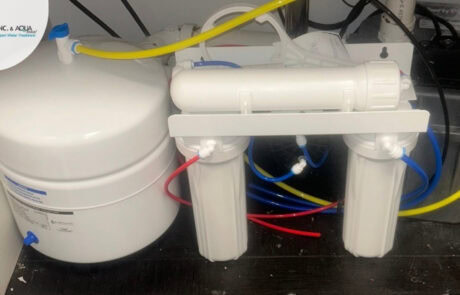
A membrane passes the liquid and rejects a large share of dissolved salts and other solids; the rejected stream runs to a drain, so a connection to the sink drain is part of the installation. Some units add minerals back after the membrane to adjust taste; a leak sensor is a sensible add-on.
Treating Iron, Sulfur and Microbes: Why Dose Control Matters
The setup pairs a feed pump with a retention tank so the chlorine has time to work; the chlorine oxidizes iron and sulfide into forms that can be filtered out. A backwashing filter often follows, clearing the particles the reaction produces, and the setup should be checked after the first weeks.
Treating Everything or Just the Faucet – One Tap, One Sink, One Appliance
Everything inside the building sees treated flow when equipment sits at the entry; scale, iron and chlorine are the usual reasons to go this route. Where only one fixture matters, a compact installation avoids treating the whole house; the provider can sketch where each unit would go.
Sizing: What Undersizing Looks Like
The size of the housing and the volume of media set how much a system can handle; a bigger tank may be the practical answer. An undersized system forces flow past the media too fast, which weakens the result, and an installer should explain why a particular size was chosen.
Plumbing, Power and Drain Needs: Bypass Valves, Drains and Outlets
Shutoffs on both sides of a unit make servicing simple; a drain line, an air gap and a nearby outlet come with a softener. Checking with the local office is sensible before anything is cut or glued; a tidy install is easier to maintain.
What Changes by Source – Raw Groundwater Versus Treated
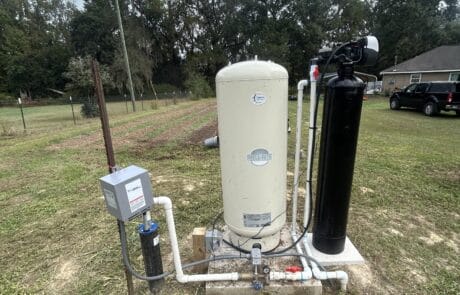
Raw well supply brings the chemistry of the ground straight to the plumbing, and equipment has to work with the pump's pressure and flow. A quick description of the plumbing path is enough to start the right conversation, and a lab report removes most of the guesswork.
When the Lights Go Out: What to Check Afterward
A unit left without power may skip a scheduled recharge, which leaves the media tired when flow resumes; a quick look at the salt level and the drain line completes the check. Equipment that sat in floodwater needs inspection before it goes back into service; ask the installer what to do before a storm.
Practical Details Homeowners Ask About – Placement Decisions That Last
Most residential units are quiet, and the sounds they make are short bursts when a valve cycles or a recharge runs; clear floor space around a tank makes salt loading simple. Some owners build a small enclosure, though it must not block air or access, and the provider should ask about access.
Upgrading What Is Already There – Keep, Repair or Replace
Inherited hardware is worth examining before anything new is added; the model number on the label usually leads to a manual and a parts list. The simplest upgrade is often a fresh set of cartridges or media, not a new system; ask for a plain list of what changes and what stays.
When a Property Has Many Users: Duplex Tanks and Bigger Flows
Commercial installations are usually specified on paper, with flow rates and targets spelled out, and a controller can log regeneration cycles. Training the people on site about shutoffs and alarms prevents small problems from growing, because early warning beats a repair.
Upkeep – Setting Reminders
Filters eventually clog, and carbon eventually saturates, so each has a replacement interval; keep the paperwork in one place. Warning signs include a return of the old taste, scale reappearing and a drop in pressure; the provider can inspect and adjust.
Verifying What Changed: When to Retest
Comparing a new lab report against the original is how a household confirms the hardware did its job; a retest a few months in shows whether the system is holding. Expect a number lower than before, not necessarily a number of zero; store copies where they can be found.
Honest Limits: Misuse and Misfit
Each technology removes some things and leaves others, so a layered setup is common; read the data sheet, not just the front of the box. Anyone selling treatment equipment should be able to explain what it reduces and what it leaves alone, and a plain no is sometimes the most useful answer.
Comparing Proposals – Everything in Writing
- Which readings on the report are meant to change, and which are not expected to, and the proposal should say so on paper.
- How is the unit set up at the start, and what will you be shown before the crew leaves; get the details itemized.
- Which items are checked on a routine visit, and which need special tools; follow-up is as important as the install.
Talking It Through: Bring What You Know
Dial Ackuritlabs And Aqua Systems at 850-616-2634 and ask what to collect before any equipment is chosen.
In Plain Terms – Upkeep Keeps It Working
Good outcomes come from habits worth repeating: testing first, buying second and checking afterward; this page on Water Filtration System in Perry Florida is a starting point, and the details of each property decide the rest. Questions are welcome at 850-616-2634, where Ackuritlabs And Aqua Systems can lay out the options, and say what you would like to change.
Verified

Verified
Verified
Verified
Verified