Thinking About Water Treatment in Quincy Florida?
Equipment gets chosen to fix a measured problem, and the fix is only as good as the diagnosis behind it; read on for how the pieces fit together.
Dial Ackuritlabs And Aqua Systems at 850-616-2634 to talk through what the tap has been doing.
Before Any Equipment: a Lab Number Beats a Guess
Orange stains, chalky scale and a swampy smell can each have a separate cause, and each calls for different gear; most reputable providers ask for results before quoting a system. A first conversation commonly ends with advice on what to sample before the next step, and the choice of equipment follows once the numbers arrive.
Ion Exchange: Regeneration in Plain Terms
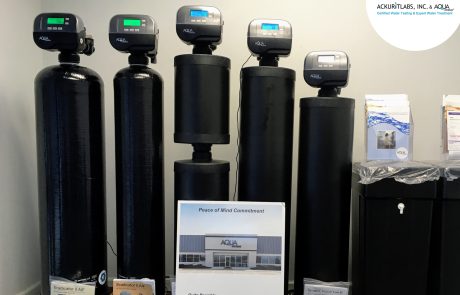
The beads in a softener hold hardness minerals until they are rinsed clean; a control valve decides when to regenerate by clock or by usage. Where a softener is sized correctly, white crust becomes much less of a chore, though a softener does little for iron staining beyond a modest level.
Scale Control Without Salt: No Drain, No Salt, Different Results
Conditioners leave the hardness figure unchanged and change the shape of the crystals that form, though results vary with the water and the model. A conditioner will not give the slick feel that a softened supply has in the shower, and it helps compare options fairly.
Adsorption Media – Granular Beds and Blocks
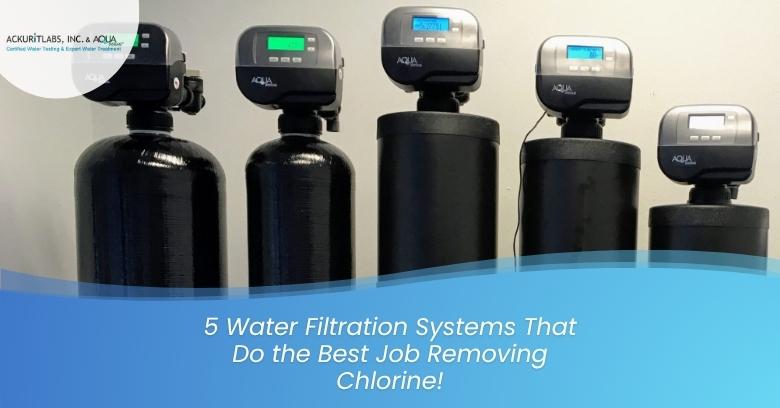
Surfaces inside the carbon grab onto particular chemicals, leaving a cleaner taste behind, and ordinary carbon handles free chlorine more easily than chloramine. A saturated filter can release what it captured, which is why change schedules matter; a taste that creeps back is the usual reminder.
The Filter Under the Cap: Reading the Micron Number
A housing on the line holds a cartridge that screens out particles above a chosen size; a series of coarse then fine elements spreads the load. A carbon cartridge installed in the same housing style handles taste while the sediment unit handles grit, and a pressure gauge on each side of the housing makes that visible.
The Under-Sink Purifier: Fair Expectations
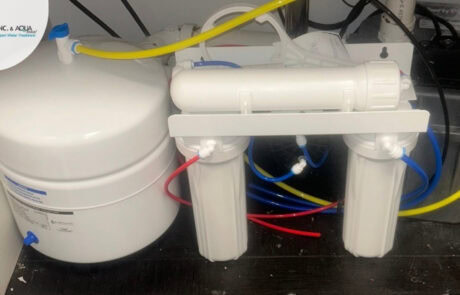
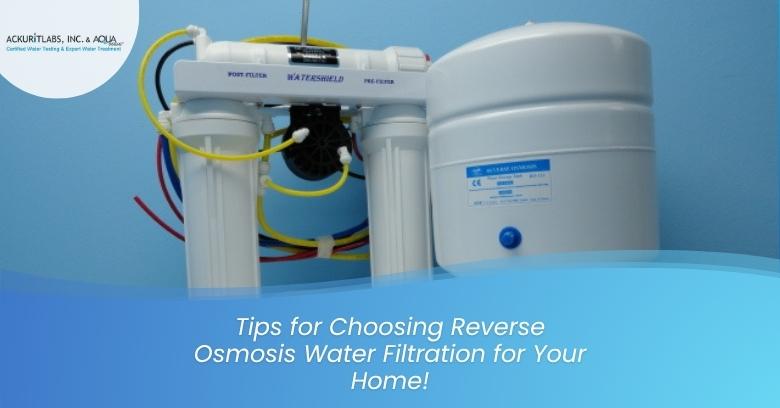
Pressure pushes the supply against a semipermeable membrane, and most dissolved material is held back; most home units sit under a sink and serve one tap. A lab test before and after is the reliable way to know what a particular system achieves; a leak sensor is a sensible add-on.
Feeding Chlorine Into the Line – the Carbon Stage Afterward
A chlorine injector meters a small amount of disinfectant into the line ahead of a holding tank; the chlorine oxidizes iron and sulfide into forms that can be filtered out. Where the supply is meant for drinking, the leftover chlorine is filtered off; a wrong dose helps nobody.
Treating Everything or Just the Faucet – Matching Scope to Need
Whole-house layouts put one set of equipment ahead of every fixture; scale, iron and chlorine are the usual reasons to go this route. Where only one fixture matters, a compact installation avoids treating the whole house; a layout on paper avoids surprises.
Matching the Unit to the House – Pressure Drop and Pace
Treating the household's peak demand, not its average, keeps pressure from dropping, along with the hardness or iron level on the lab report. Equipment that is too small works harder and wears out sooner, and a vague one deserves a follow-up question.
What the Job Requires – Planning for Service Access
Shutoffs on both sides of a unit make servicing simple; the walk-through before work matters. Checking with the local office is sensible before anything is cut or glued, and clear labels on valves help the next person.
What Changes by Source: Planning Around the Source
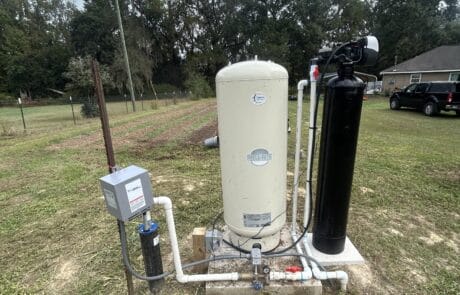
City lines usually deliver a steady, disinfected supply, so the complaints tend to be taste and scale; sediment and iron tend to be the early concerns. Because the two sources differ, the same product can be a great fit on one and wasted on the other; neighbors on the same aquifer can still differ.
Storms and Power Interruptions: Planning Before the Season
Softeners and filters with electronic controllers can lose their settings in a long outage unless a backup battery holds them, since a stuck valve is easier to catch early. If floodwater covered the wellhead, the supply itself needs a fresh lab sample; keep manuals and settings notes together.
Practical Details Homeowners Ask About – Reaching the Controls
Most residential units are quiet, and the sounds they make are short bursts when a valve cycles or a recharge runs, and a level pad keeps tanks from shifting. Some owners build a small enclosure, though it must not block air or access; a tank that cannot get through a doorway is a common surprise.
An Older System in the Garage: Compatibility With Present Plumbing
Equipment bought long ago was chosen for a supply that may have changed since; the model number on the label usually leads to a manual and a parts list. New components usually have to fit the pipe sizes, the pressure and the drain already in place; nothing is replaced without a reason.
Treatment at Business Scale: Duplex Tanks and Bigger Flows
Boilers, cooling equipment and ice makers can be sensitive to scale, which shapes the design, and a controller can log regeneration cycles. Written procedures and a labeled schematic make handovers between staff smoother; ask what monitoring the equipment offers.
Upkeep: Salt, Cartridges and Media
Resin beads age slowly, and cartridges and pre-filters age quickly; a label on each housing with the install date helps. Warning signs include a return of the old taste, scale reappearing and a drop in pressure; an annual look at the controls is sensible.
Closing the Loop: Before and After Side by Side
The most reliable verification is a fresh panel run on the same items as before; schedule it when the system goes in. Treatment can reduce certain items without eliminating them, and the report shows by how much; dates on everything keep the record clear.
Honest Limits – Read the Fine Print
A softener will not make a supply taste different, and a carbon filter will not soften it; ask how that is demonstrated. Honest answers sound specific, and vague answers sound like a sales line; clear explanations are the best sign.
Comparing Proposals – Everything in Writing
- Is the recommended size tied to the lab figures and the household's flow; vague answers deserve a follow-up.
- Who installs the equipment, and who services it after the job is done; get the details itemized.
- What does a retest look like, and when is it scheduled; follow-up is as important as the install.
Talking It Through: Questions Are the Starting Point
Call Ackuritlabs And Aqua Systems at 850-616-2634 and ask what to collect before any equipment is chosen.
The Short Version – Upkeep Keeps It Working
Every lasting installation rests on a clear diagnosis, a suitable size and regular care, and everything above about Water Treatment in Quincy Florida is general background, not a verdict. The number to call is 850-616-2634, and the conversation is the first step; the details you share shape the advice.
Verified

Verified
Verified
Verified
Verified