Thinking About Salt-Free Water Softener for a Property in Tallahassee Florida?
A treatment system is a tool for one job, so the job has to be named before the tool is picked; the sections below put the options in plain language.
Call Ackuritlabs And Aqua Systems at 850-616-2634 and say whether the supply is a well or a city line.
The Order of Operations: Why Skipping It Backfires
Orange stains, chalky scale and a swampy smell can each have a separate cause, and each calls for different gear, and the figure is what a provider uses to size and pick the unit. If the history of the supply is unknown, a baseline panel is the sensible opener; skipping ahead is where most mismatches begin.
Taking Out Hardness – What It Fixes and What It Leaves
A conventional softener passes the supply through a bed of resin beads that grab calcium and magnesium, and a salt or potassium brine recharges the bed on a schedule. Less mineral reaching the pipes also means less deposit inside them; it is not meant to filter out bacteria or chemicals.
Scale Control Without Salt: What They Do and Do Not Do
Nothing is exchanged, so the lab number for hardness reads the same before and after; they need no electricity in many designs. A conditioner will not give the slick feel that a softened supply has in the shower; asking for a plain description of the outcome avoids disappointment.
Adsorption Media: Matching Carbon to the Target
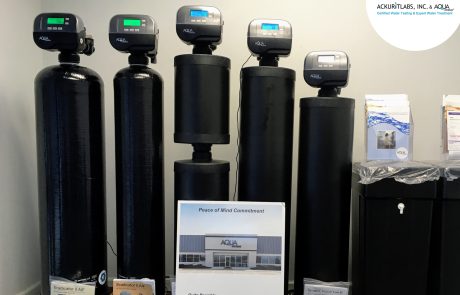
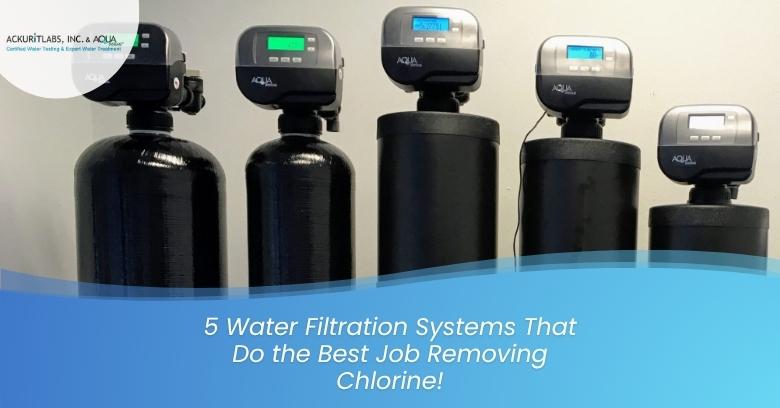
Porous carbon traps many organic molecules and chlorine on its surfaces as flow moves across them; a catalytic grade is often used where chloramine is the disinfectant. Every carbon filter eventually fills up, so replacement or backwashing is part of owning one; keeping a date on the housing is a good habit.
Spun, Pleated and Wound Media – Catching Grit Before It Travels On
The simplest way to protect a pump, a softener or a fixture is usually a sediment screen ahead of it; the rating, given in microns, states how small a particle the element is built to catch. A carbon cartridge installed in the same housing style handles taste while the sediment unit handles grit; keep a spare cartridge on a shelf.
High-Pressure Polishing – Storage Tank, Faucet and Drain
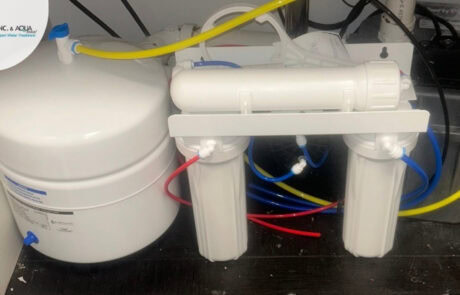
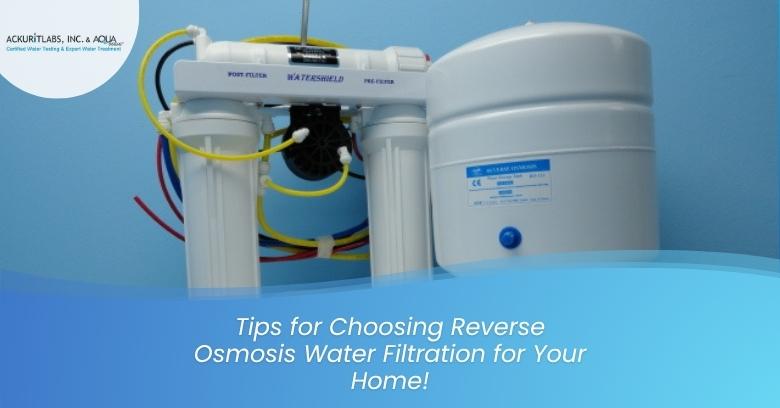
Pressure pushes the supply against a semipermeable membrane, and most dissolved material is held back, and a small storage tank holds finished supply for the dedicated faucet. Pre-filters protect the membrane, and replacing them on time protects the system, and the reject volume is worth asking about.
Treating Iron, Sulfur and Microbes: What the Installer Sets Up
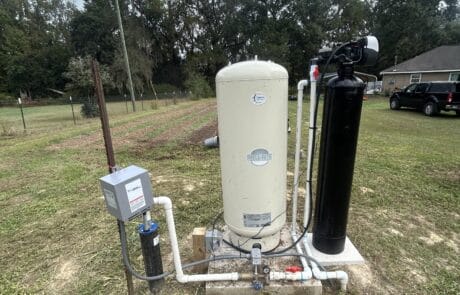
A chlorine injector meters a small amount of disinfectant into the line ahead of a holding tank; the tank is sized to the flow of the well. After the contact tank, a carbon stage strips leftover chlorine so the tap smells clean, and the setup should be checked after the first weeks.
Treating Everything or Just the Faucet: What Each Layout Covers
Point-of-entry installations deal with problems that affect the entire plumbing system; the flow at the entry is worth measuring before ordering. A point-of-use unit serves a single faucet, usually the kitchen, and suits drinking and cooking, and the two approaches work well together.
Choosing a Capacity: Room to Grow
Treating the household's peak demand, not its average, keeps pressure from dropping; the number of bathrooms and people is part of the calculation. A well-matched system suits the building rather than the biggest model on offer, and an installer should explain why a particular size was chosen.
What the Job Requires: Tying Into Existing Lines
A bypass lets the household isolate a unit without shutting off the whole supply; the installer plans the route up front. Codes affect drain connections, backflow protection and the placement of equipment; leave room to open the tank lid and swap a cartridge.
What Changes by Source: Chlorine Added or Not
Supply from a public system arrives already disinfected, which changes what is left to fix, whereas chlorine and chloramine lead the list on a city line. The provider needs to know which source feeds the house before suggesting anything; photos of the existing equipment help.
After an Outage: Planning Before the Season
Softeners and filters with electronic controllers can lose their settings in a long outage unless a backup battery holds them, since a stuck valve is easier to catch early. If floodwater covered the wellhead, the supply itself needs a fresh lab sample; photographs taken before the season make later comparisons easier.
Noise, Space and Appearance: Tanks, Hums and Cabinets
Noise from a unit tends to come from the drain line and the valve rather than the tanks, and the location is chosen to keep lines short and service easy. Some owners build a small enclosure, though it must not block air or access, and the provider should ask about access.
An Older System in the Garage: Planning a Sensible Sequence
Many properties already have a tank, a filter housing or an under-sink unit, and the question is whether it still suits the supply, which helps weigh a repair against a new unit. New components usually have to fit the pipe sizes, the pressure and the drain already in place, and the installer should explain what is being kept.
When a Property Has Many Users: Boilers, Ice Machines and Kitchens
Commercial installations are usually specified on paper, with flow rates and targets spelled out, and a drawing of the proposed layout is a reasonable request. Written procedures and a labeled schematic make handovers between staff smoother, and the provider can supply those if asked.
Routine Care: Signs a Unit Needs Attention
Soft supply depends on a brine tank that is kept stocked; keep the paperwork in one place. Any change from how the system used to behave is the cue to check it; an annual look at the controls is sensible.
Confirming the Result: Before and After Side by Side
The most reliable verification is a fresh panel run on the same items as before; a retest a few months in shows whether the system is holding. Some substances respond well and others hardly at all, which the new figures reveal; the file is useful for a future sale.
Expectations Worth Setting – Matching Promises to Physics
No single device removes every substance, and a pitch that one box covers everything deserves doubt; claims about results should point to a published test method. A provider unwilling to discuss limits is one to think twice about, and a plain no is sometimes the most useful answer.
A Short Interview: Details That Separate Good Plans
- Which lab results is the proposal based on, and which items does it address; a specific answer is what you want.
- Who installs the equipment, and who services it after the job is done; a walk-through at the end is reasonable to ask for.
- What does a retest look like, and when is it scheduled, and what does it say about future servicing.
A Call Before a Purchase: Questions Are the Starting Point
Call Ackuritlabs And Aqua Systems at 850-616-2634 to go over the lab report and the symptoms at your tap.
What to Remember – the Sequence That Works
Every lasting installation rests on a clear diagnosis, a suitable size and regular care, because each property in Tallahassee Florida has its own story, whatever any page says about Salt-Free Water Softener. Call 850-616-2634 to reach Ackuritlabs And Aqua Systems and talk over your situation, and share what the lab report shows.
Verified

Verified
Verified
Verified
Verified