Thinking About Water Filtration in Tallahassee Florida?
A treatment system is a tool for one job, so the job has to be named before the tool is picked, and the sections below cover sizing, setup and upkeep.
Dial Ackuritlabs And Aqua Systems at 850-616-2634 and describe the stains, scale or smells you want gone.
Before Any Equipment: Why Skipping It Backfires
Taste and appearance narrow the field, though only a lab report settles it; most reputable providers ask for results before quoting a system. Even a brief description of the symptoms helps decide which measurements to order; skipping ahead is where most mismatches begin.
Softening – Swapping Minerals for Sodium or Potassium
The beads in a softener hold hardness minerals until they are rinsed clean; the unit needs a drain line and a power outlet. Scale buildup on heaters, kettles and shower heads slows down where hardness has been removed; the lab result still decides what else belongs in the plan.
Conditioning Instead of Softening: an Honest Comparison
Nothing is exchanged, so the lab number for hardness reads the same before and after, which suits some households and some local rules. Expect scale to be reduced rather than eliminated, and expect no change in how soap lathers; ask what the device will not do.
Activated Carbon: Why Cartridges Run Out
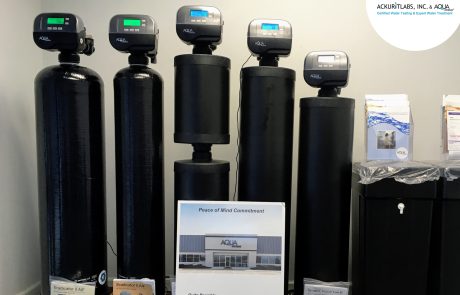
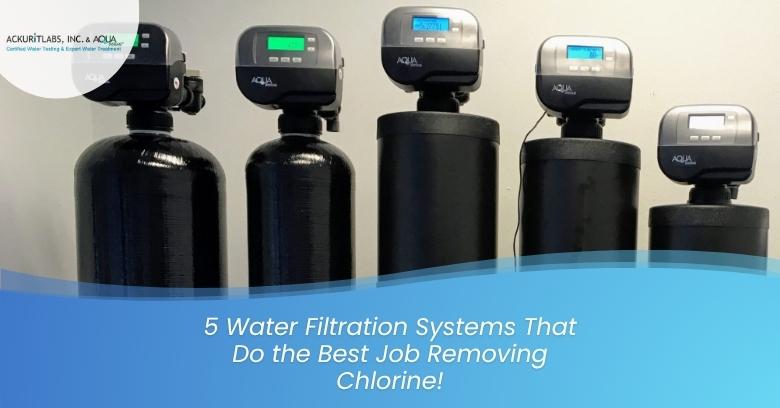
A carbon bed or block is the common answer when a city supply tastes or smells of disinfectant, and ordinary carbon handles free chlorine more easily than chloramine. Every carbon filter eventually fills up, so replacement or backwashing is part of owning one, and the provider can estimate a schedule.
Housings and Replaceable Elements: Reading the Micron Number
Particle filters are the first stage in many systems, catching whatever would clog the rest, and the sequence is part of the design. The installer chooses which element goes first, because a clogged first stage starves the rest, and a pressure gauge on each side of the housing makes that visible.
High-Pressure Polishing: Where It Sits and What It Wastes
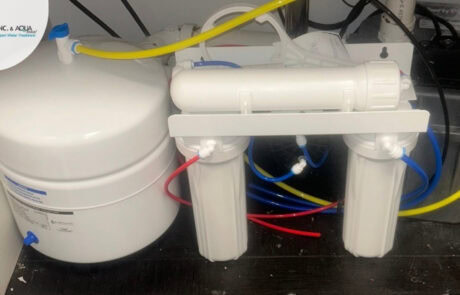
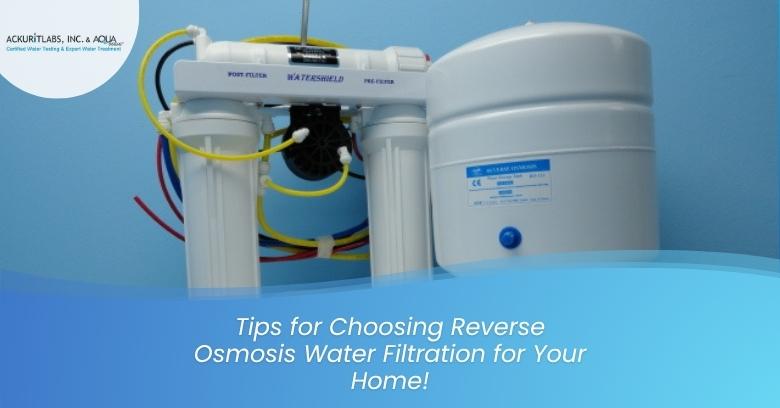
A small pump or the line pressure drives the flow through a membrane with extremely fine pores; most home units sit under a sink and serve one tap. Some units add minerals back after the membrane to adjust taste; a leak sensor is a sensible add-on.
Chlorination: Why Dose Control Matters
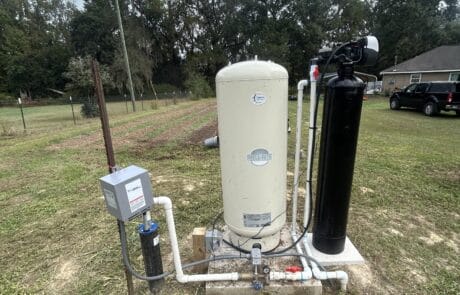
The setup pairs a feed pump with a retention tank so the chlorine has time to work; the tank is sized to the flow of the well. The final stage polishes taste and removes what remains of the disinfectant; dosing is not a do-it-yourself guess.
Point of Entry Versus Point of Use – Matching Scope to Need
A unit at the main line treats every tap, the shower, the washer and the water heater; the flow at the entry is worth measuring before ordering. A point-of-use unit serves a single faucet, usually the kitchen, and suits drinking and cooking, and the two approaches work well together.
Peak Demand Math – People, Fixtures and Usage
The size of the housing and the volume of media set how much a system can handle; a unit that is too small shortens the time between regenerations. Equipment that is too small works harder and wears out sooner, and a vague one deserves a follow-up question.
What the Job Requires: Bypass Valves, Drains and Outlets
Most systems need a bypass valve so the plumbing can keep flowing during service; the walk-through before work matters. Permits or inspections can be required in some jurisdictions, depending on the work; measure before ordering.
Two Starting Points: Different Problems, Different Gear
Supply from a public system arrives already disinfected, which changes what is left to fix, whereas chlorine and chloramine lead the list on a city line. Because the two sources differ, the same product can be a great fit on one and wasted on the other; neighbors on the same aquifer can still differ.
Hurricane-Season Readiness – Resetting the Clock and the Valve
Softeners and filters with electronic controllers can lose their settings in a long outage unless a backup battery holds them, and the manual shows how to reset the controller. Equipment that sat in floodwater needs inspection before it goes back into service; write down the shutoff locations.
Noise, Space and Appearance: Garages, Closets and Mechanical Rooms
Compressors and pumps are the noisiest parts of larger systems, and they normally sit in a mechanical space; clear floor space around a tank makes salt loading simple. Equipment is easiest to live with when the controls and the drain sit where a person can reach them; a tank that cannot get through a doorway is a common surprise.
Inherited Hardware: Compatibility With Present Plumbing
Older units may still work but have worn parts, such as seals, valves, resin or membranes, and the provider can often read the date code. Adding a stage to an existing setup requires attention to order, flow rate and pressure drop; nothing is replaced without a reason.
Larger Buildings and Heavier Demand: Written Specifications
Business equipment is sized for higher flows and often arranged in pairs so one tank can work while the other recharges; the existing mechanical room often decides what fits. A property manager benefits from a maintenance plan that lists tasks, intervals and who does them; a log of salt, media and filter changes helps.
Keeping Equipment in Shape: Salt, Cartridges and Media
Treatment is not a one-time purchase, since something wears out or runs low on every system; a simple calendar reminder prevents most lapses. Warning signs include a return of the old taste, scale reappearing and a drop in pressure; an annual look at the controls is sensible.
Verifying What Changed – Filing the Evidence
Measurements taken after setup show the change in black and white, and the lab can run the identical methods again. Expect a number lower than before, not necessarily a number of zero; a short note on the equipment installed completes the record.
Expectations Worth Setting: Questions for Any Seller
No single device removes every substance, and a pitch that one box covers everything deserves doubt; read the data sheet, not just the front of the box. Honest answers sound specific, and vague answers sound like a sales line, and the same standard applies to anything written on this page.
Questions for a Provider: Points Worth Raising
- Which lab results is the proposal based on, and which items does it address, and the proposal should say so on paper.
- Who installs the equipment, and who services it after the job is done; ask for a copy of the manuals too.
- What does a retest look like, and when is it scheduled; write the answers down.
Talking It Through – Share Your Lab Report
Call Ackuritlabs And Aqua Systems at 850-616-2634 to go over the lab report and the symptoms at your tap.
In Plain Terms: Test, Choose, Install, Confirm
Matching a device to a lab result, sizing it to the building and keeping up with upkeep is the whole recipe; whatever has brought you to read about Water Filtration near Tallahassee Florida, a short call sorts out where to begin. Questions are welcome at 850-616-2634, where Ackuritlabs And Aqua Systems can lay out the options, and share what the lab report shows.
Verified

Verified
Verified
Verified
Verified