Shopping for Commercial Water Treatment Company for a Property in Woodville Florida?
Good installations start from a lab result and work toward a device that suits it; read on for how the pieces fit together.
Call Ackuritlabs And Aqua Systems at 850-616-2634 to ask how an installation is planned.
Before Any Equipment – Reading the Problem Correctly
Equipment bought off a shelf may handle a different problem than the one at the tap, and the figure is what a provider uses to size and pick the unit. If the history of the supply is unknown, a baseline panel is the sensible opener, and the choice of equipment follows once the numbers arrive.
Ion Exchange: How the Resin Works
Hardness minerals stick to a charged resin, which swaps them for sodium or potassium ions; the unit needs a drain line and a power outlet. Laundry and dishes tend to come out cleaner where the minerals have been removed; it is not meant to filter out bacteria or chemicals.
Alternatives to the Brine Tank – Changing How Scale Forms
The minerals stay in the supply, but the device nudges them toward forming less scale on surfaces; they need no electricity in many designs. Expect scale to be reduced rather than eliminated, and expect no change in how soap lathers; ask what the device will not do.
Adsorption Media: Why Cartridges Run Out
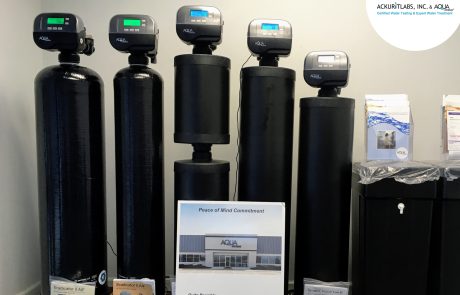
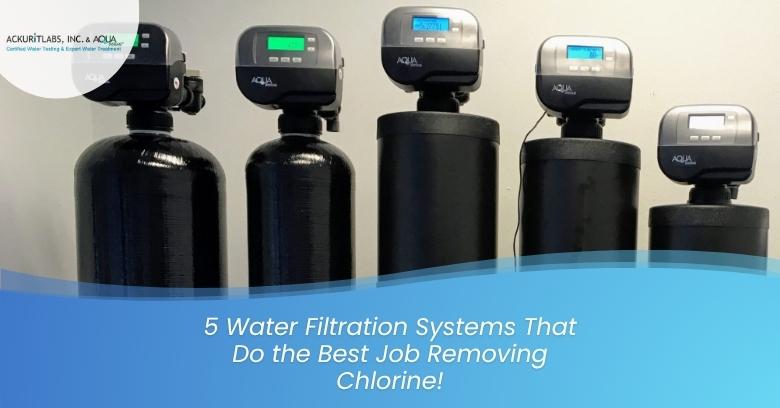
Carbon holds onto certain compounds as supply passes through, which cuts chlorine taste and some odors; each type of carbon targets specific compounds, so the media is picked to suit the finding. Every carbon filter eventually fills up, so replacement or backwashing is part of owning one, and the provider can estimate a schedule.
Housings and Replaceable Elements: Keeping Spare Elements
Sediment cartridges screen out sand, rust flakes and silt before they reach appliances; the rating, given in microns, states how small a particle the element is built to catch. A carbon cartridge installed in the same housing style handles taste while the sediment unit handles grit; a wrench for the housing is a worthwhile purchase.
Membrane Systems: Pressure, Membrane and Reject Stream
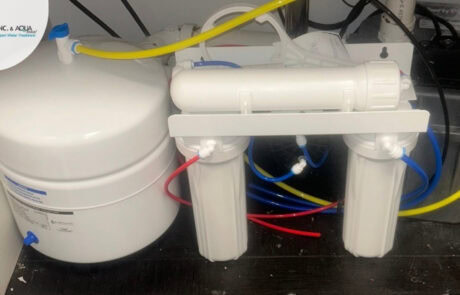
A membrane passes the liquid and rejects a large share of dissolved salts and other solids; compact units fit under a sink and serve a single tap. The reduction achieved depends on membrane condition, pressure and what is in the feed; ask for the maintenance schedule in writing.
Chlorination: a Metering Pump and a Retention Tank
A pump, a tank and a backwashing filter form the heart of a chlorination setup; time in the tank is what makes the reaction complete. After the contact tank, a carbon stage strips leftover chlorine so the tap smells clean; chemicals are stored and handled according to the label.
Where the Equipment Sits – One Tap, One Sink, One Appliance
Point-of-entry installations deal with problems that affect the entire plumbing system; a garage or utility closet often becomes the home. Where only one fixture matters, a compact installation avoids treating the whole house, and the two approaches work well together.
Matching the Unit to the House – People, Fixtures and Usage
A unit has two numbers that matter: a peak flow rating and a capacity between cleanings, along with the hardness or iron level on the lab report. Equipment that is too small works harder and wears out sooner; the sizing is not a mystery.
Space and Connections: the Checklist Behind a Clean Install
A bypass lets the household isolate a unit without shutting off the whole supply; the installer plans the route up front. Local plumbing and electrical rules may apply, and the installer is the one to know them; a tidy install is easier to maintain.
Wells Versus City Lines: Different Problems, Different Gear
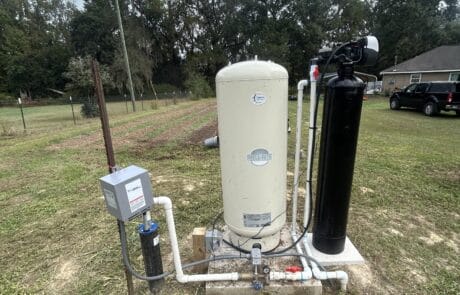
Private wells deliver untreated groundwater, which can carry iron, sulfur, hardness and microbes, and equipment has to work with the pump's pressure and flow. Equipment picked from a neighbor's experience may not suit a different source, and a lab report removes most of the guesswork.
When the Lights Go Out: Planning Before the Season
Many controllers keep their program in memory for a short while, and then need to be set again, and the manual shows how to reset the controller. Anything touched by flooding, including a well pump and chemical feed gear, deserves a professional look; photographs taken before the season make later comparisons easier.
Practical Details Homeowners Ask About – Placement Decisions That Last
A recharge brings gurgling and flowing noises for a spell, usually at a scheduled hour, which is worth thinking through before delivery. Leaving room to open lids, change cartridges and read gauges makes upkeep a quick job, and the installer can suggest a layout.
Working With Existing Equipment – Keep, Repair or Replace
Many properties already have a tank, a filter housing or an under-sink unit, and the question is whether it still suits the supply, and the provider can often read the date code. A sediment screen or a carbon stage can often be added without replacing everything; photographs of the current setup speed up the first conversation.
Commercial Systems: Duplex Tanks and Bigger Flows
Boilers, cooling equipment and ice makers can be sensitive to scale, which shapes the design, and a drawing of the proposed layout is a reasonable request. A property manager benefits from a maintenance plan that lists tasks, intervals and who does them, and it supports any later troubleshooting.
Upkeep: What Gets Neglected
Every type of equipment has a consumable: salt for softeners, cartridges for filters, membranes for osmosis units; a simple calendar reminder prevents most lapses. Noisy valves, salt bridges in the tank and slow flow are signs worth a look, and a service call beats a failed system.
Confirming the Result – Numbers, Not Impressions
Nothing beats a repeat panel for showing whether the readings moved, and the lab can run the identical methods again. Treatment can reduce certain items without eliminating them, and the report shows by how much, and keeping both reports together tells the story.
Limits to Keep in Mind – Read the Fine Print
Marketing language tends to be broader than what a product actually does; compare the data sheet with your lab report. If a proposal does not mention the lab results, ask how it was reached; nothing here replaces advice for your property.
Questions for a Provider: Details That Separate Good Plans
- Which lab results is the proposal based on, and which items does it address; a specific answer is what you want.
- What parts and consumables are needed, and how often do they need replacing; a walk-through at the end is reasonable to ask for.
- Which items are checked on a routine visit, and which need special tools, and what does it say about future servicing.
Getting Advice – Share Your Lab Report
Phone Ackuritlabs And Aqua Systems at 850-616-2634 to ask what a sensible first step would be for your supply.
Pulling the Threads: Test, Choose, Install, Confirm
Good outcomes come from habits worth repeating: testing first, buying second and checking afterward; this page on Commercial Water Treatment Company in Woodville Florida is a starting point, and the details of each property decide the rest. You can speak with Ackuritlabs And Aqua Systems at 850-616-2634 about your plumbing and your goals; the call goes quickly.
Verified

Verified
Verified
Verified
Verified