Looking for Residential Water Treatment Company for a Property in Woodville Florida?
A treatment system is a tool for one job, so the job has to be named before the tool is picked, and the sections below explain how the common options differ.
Contact Ackuritlabs And Aqua Systems at 850-616-2634 and describe the stains, scale or smells you want gone.
Diagnosis First: a Lab Number Beats a Guess
Three households with the same complaint can need three different systems, because the underlying chemistry differs; having a report on hand speeds everything up. Where no result exists yet, a provider can often suggest what to measure, and a short delay beats replacing the wrong unit.
Taking Out Hardness: How the Resin Works
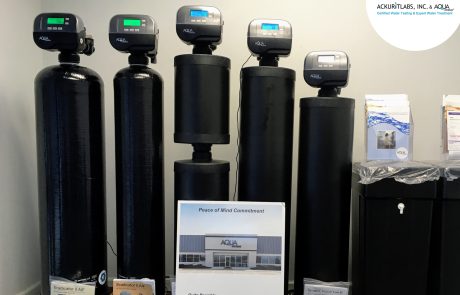
The beads in a softener hold hardness minerals until they are rinsed clean; a control valve decides when to regenerate by clock or by usage. Softened supply leaves less scale on fixtures, glass and heating elements; the lab result still decides what else belongs in the plan.
Scale Control Without Salt: an Honest Comparison
A salt-free unit does not remove calcium or magnesium; it alters how those minerals behave; they need no electricity in many designs. A conditioner will not give the slick feel that a softened supply has in the shower, and a good provider explains that before the purchase.
Adsorption Media – Contact Time and Capacity
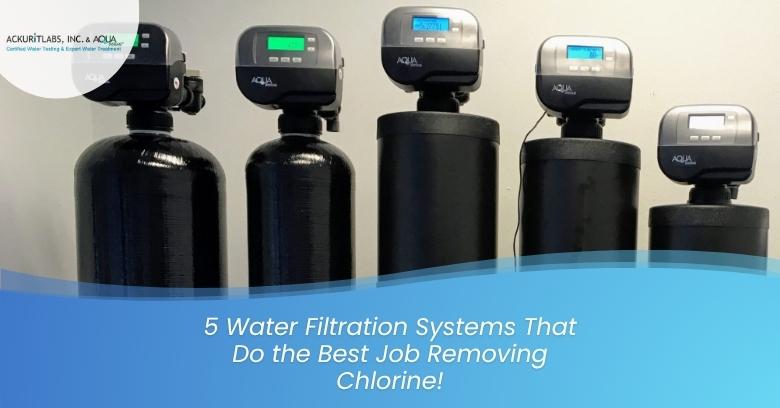
A carbon bed or block is the common answer when a city supply tastes or smells of disinfectant, and ordinary carbon handles free chlorine more easily than chloramine. Every carbon filter eventually fills up, so replacement or backwashing is part of owning one; a taste that creeps back is the usual reminder.
Cartridges and Sediment Filters – Catching Grit Before It Travels On
Sediment cartridges screen out sand, rust flakes and silt before they reach appliances, and a smaller rating catches finer particles but clogs sooner. Carbon cartridges, including carbon block types, often sit downstream of the sediment stage, and a pressure gauge on each side of the housing makes that visible.
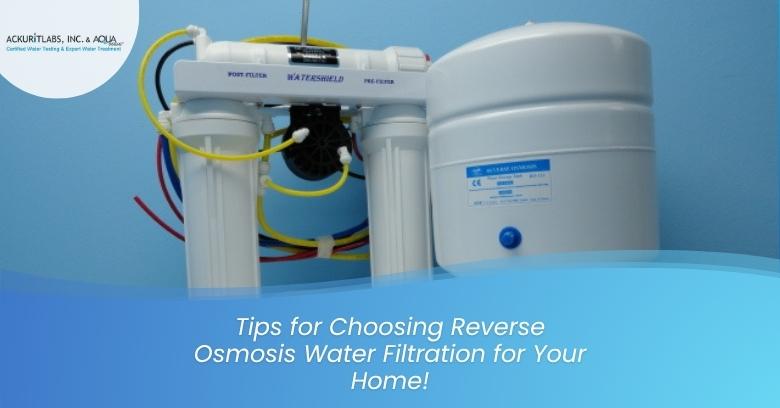
Reverse Osmosis – Dissolved Solids Reduced
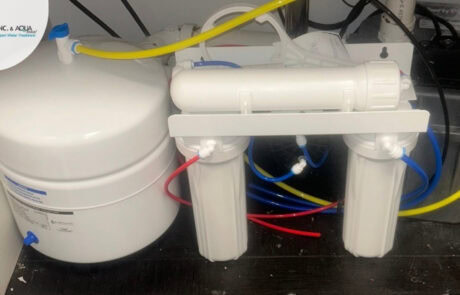
Dissolved solids stay on one side of the membrane and get flushed away; compact units fit under a sink and serve a single tap. The reduction achieved depends on membrane condition, pressure and what is in the feed; a leak sensor is a sensible add-on.
Injectors and Contact Tanks: Why Dose Control Matters
A chlorine injector meters a small amount of disinfectant into the line ahead of a holding tank, and it also acts on bacteria in the supply. Where the supply is meant for drinking, the leftover chlorine is filtered off; a wrong dose helps nobody.
Scope of a System: Planning the Pipe Run
Whole-house layouts put one set of equipment ahead of every fixture; scale, iron and chlorine are the usual reasons to go this route. Many households combine both: a main-line device for scale and a sink model for taste; ask for a simple diagram of the plan.
Sizing: Room to Grow
Treating the household's peak demand, not its average, keeps pressure from dropping, along with the hardness or iron level on the lab report. When a unit is too small, pressure falls at fixtures during busy mornings; the sizing is not a mystery.
What the Job Requires: the Checklist Behind a Clean Install
Good installations include a way to route flow around the unit when needed; the walk-through before work matters. Whoever does the installation should be able to say what the local rules ask for; a tidy install is easier to maintain.
Two Starting Points: Different Problems, Different Gear
Supply from a public system arrives already disinfected, which changes what is left to fix; sediment and iron tend to be the early concerns. Equipment picked from a neighbor's experience may not suit a different source; neighbors on the same aquifer can still differ.
Storms and Power Interruptions: What to Check Afterward
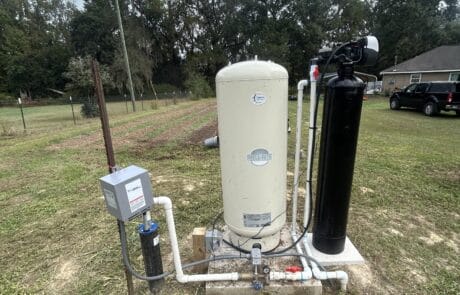
A unit left without power may skip a scheduled recharge, which leaves the media tired when flow resumes; a quick look at the salt level and the drain line completes the check. If floodwater covered the wellhead, the supply itself needs a fresh lab sample; ask the installer what to do before a storm.
Noise, Space and Appearance – Reaching the Controls
Noise from a unit tends to come from the drain line and the valve rather than the tanks; a garage, a utility closet or a pump house is the usual home. A tidy installation labels valves, supports the plumbing and keeps the area dry; measure doors and hallways as well.
Inherited Hardware: Test Before Deciding
Equipment bought long ago was chosen for a supply that may have changed since; the model number on the label usually leads to a manual and a parts list. New components usually have to fit the pipe sizes, the pressure and the drain already in place; nothing is replaced without a reason.
Larger Buildings and Heavier Demand – Coordinating With Maintenance
Business equipment is sized for higher flows and often arranged in pairs so one tank can work while the other recharges, and a controller can log regeneration cycles. Commercial owners usually want service records, so the system should make them easy to keep, and it supports any later troubleshooting.
Routine Care: What Gets Neglected
Filters eventually clog, and carbon eventually saturates, so each has a replacement interval; a label on each housing with the install date helps. Noisy valves, salt bridges in the tank and slow flow are signs worth a look; the provider can inspect and adjust.
Proof After Installation – Numbers, Not Impressions
Measurements taken after setup show the change in black and white, which matters for cartridges and media that wear. A result that falls short is information, and it points to what to add or change; the file is useful for a future sale.
Expectations Worth Setting – Read the Fine Print
No single device removes every substance, and a pitch that one box covers everything deserves doubt; compare the data sheet with your lab report. Anyone selling treatment equipment should be able to explain what it reduces and what it leaves alone; weigh each source on how specific it is.
Comparing Proposals: Scope, Parts and Follow-Up
- Which lab results is the proposal based on, and which items does it address, and the proposal should say so on paper.
- Who installs the equipment, and who services it after the job is done; a walk-through at the end is reasonable to ask for.
- What does a retest look like, and when is it scheduled, and what does it say about future servicing.
Start the Conversation – Share Your Lab Report
Call Ackuritlabs And Aqua Systems at 850-616-2634 to find out how a system would be planned and sized.
In Plain Terms: Next Steps
A dependable setup follows a sequence: measure the supply, pick equipment to suit, install it carefully and test again, and everything above about Residential Water Treatment Company in Woodville Florida is general background, not a verdict. You can speak with Ackuritlabs And Aqua Systems at 850-616-2634 about your plumbing and your goals; mention whether the supply is a well or a utility line.
Verified

Verified
Verified
Verified
Verified