Need Water Filter Installation Across Woodville Florida?
A treatment system is a tool for one job, so the job has to be named before the tool is picked, and the sections below explain how the common options differ.
Dial Ackuritlabs And Aqua Systems at 850-616-2634 and describe the stains, scale or smells you want gone.
Before Any Equipment: Why Skipping It Backfires
Orange stains, chalky scale and a swampy smell can each have a separate cause, and each calls for different gear; a sample sent to a laboratory turns a guess into a figure. Anyone without a recent report can usually be pointed to a suitable panel first; the equipment decision waits until the numbers are in.
Taking Out Hardness: Regeneration in Plain Terms
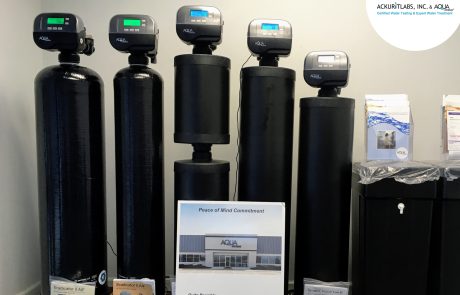
The core of a standard softener is a resin bed that exchanges hardness minerals for a softer ion; a control valve decides when to regenerate by clock or by usage. Less mineral reaching the pipes also means less deposit inside them, and it will not change the taste of the supply on its own.
Conditioning Instead of Softening: No Drain, No Salt, Different Results
Conditioners leave the hardness figure unchanged and change the shape of the crystals that form; people choose these devices to avoid salt, brine discharge and a drain connection. A conditioner will not give the slick feel that a softened supply has in the shower; asking for a plain description of the outcome avoids disappointment.
Carbon Filtration: Matching Carbon to the Target
Surfaces inside the carbon grab onto particular chemicals, leaving a cleaner taste behind; each type of carbon targets specific compounds, so the media is picked to suit the finding. Capacity depends on how much is in the supply and how much a household uses; a pre-filter often extends the life of the carbon.
Spun, Pleated and Wound Media – Catching Grit Before It Travels On
Particle filters are the first stage in many systems, catching whatever would clog the rest, and the sequence is part of the design. A carbon cartridge installed in the same housing style handles taste while the sediment unit handles grit; keep a spare cartridge on a shelf.
The Under-Sink Purifier: Pressure, Membrane and Reject Stream
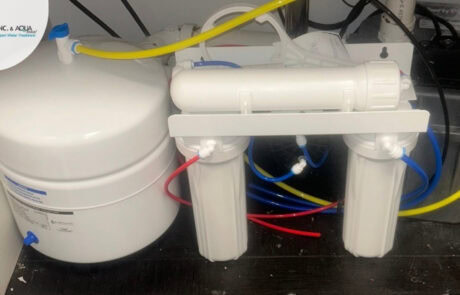
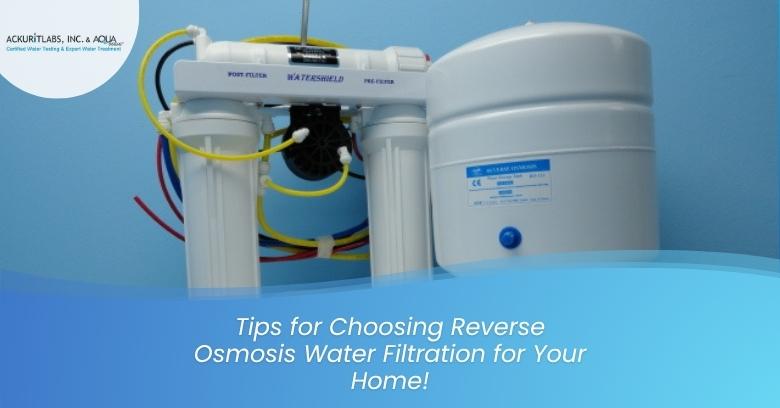
Pressure pushes the supply against a semipermeable membrane, and most dissolved material is held back, and a small storage tank holds finished supply for the dedicated faucet. Pre-filters protect the membrane, and replacing them on time protects the system, and a membrane may last for a long stretch if it is protected.
Chlorination – the Carbon Stage Afterward
A chlorine injector meters a small amount of disinfectant into the line ahead of a holding tank; time in the tank is what makes the reaction complete. The final stage polishes taste and removes what remains of the disinfectant; chemicals are stored and handled according to the label.
Whole-House or Single-Tap – One Tap, One Sink, One Appliance
Equipment where the supply enters the building protects all the plumbing downstream; the flow at the entry is worth measuring before ordering. Where only one fixture matters, a compact installation avoids treating the whole house, and it shows which walls and lines are involved.
Sizing: Gallons per Minute and Grains
A unit has two numbers that matter: a peak flow rating and a capacity between cleanings; a bigger tank may be the practical answer. An undersized system forces flow past the media too fast, which weakens the result; a reasoned answer is a good sign.
Space and Connections: the Checklist Behind a Clean Install
Shutoffs on both sides of a unit make servicing simple; chlorine feed pumps and contact tanks add their own requirements. Permits or inspections can be required in some jurisdictions, depending on the work, and clear labels on valves help the next person.
Private Source or Public Main – Raw Groundwater Versus Treated
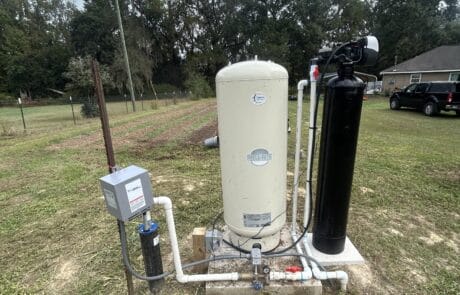
Supply from a public system arrives already disinfected, which changes what is left to fix, and equipment has to work with the pump's pressure and flow. Because the two sources differ, the same product can be a great fit on one and wasted on the other; each property gets its own plan.
After an Outage – Protecting Gear From Surge and Silt
A unit left without power may skip a scheduled recharge, which leaves the media tired when flow resumes; checking the time and the settings after power returns takes a minute. Equipment that sat in floodwater needs inspection before it goes back into service; keep manuals and settings notes together.
Living With the Equipment – Reaching the Controls
A recharge brings gurgling and flowing noises for a spell, usually at a scheduled hour, and a level pad keeps tanks from shifting. Sunlight can damage clear housings and warm the supply, so shade is sensible outdoors; measure doors and hallways as well.
Working With Existing Equipment: Planning a Sensible Sequence
Older units may still work but have worn parts, such as seals, valves, resin or membranes; a fresh lab panel shows whether the present system is still doing its job. Mixing parts from different makers is possible, though compatibility needs checking, and the installer should explain what is being kept.
Treatment at Business Scale: Boilers, Ice Machines and Kitchens
Larger buildings may need several tanks and manifolds, not one household unit; the existing mechanical room often decides what fits. Staff who run the building need to know where the valves are and what each one does; ask what monitoring the equipment offers.
Routine Care: What Gets Neglected
Treatment is not a one-time purchase, since something wears out or runs low on every system; a simple calendar reminder prevents most lapses. Warning signs include a return of the old taste, scale reappearing and a drop in pressure, and a service call beats a failed system.
Closing the Loop – Filing the Evidence
Comparing a new lab report against the original is how a household confirms the hardware did its job; a retest a few months in shows whether the system is holding. Some substances respond well and others hardly at all, which the new figures reveal; the file is useful for a future sale.
What Equipment Cannot Do: Questions for Any Seller
Marketing language tends to be broader than what a product actually does; read the data sheet, not just the front of the box. Honest answers sound specific, and vague answers sound like a sales line; weigh each source on how specific it is.
Before You Sign – Everything in Writing
- Is the recommended size tied to the lab figures and the household's flow; ask for the reasoning in writing.
- Who installs the equipment, and who services it after the job is done; clear scope prevents surprises.
- How will you know the equipment is working a few months from now; each of these is worth asking.
Talking It Through – One Call Sorts Out Next Steps
Call Ackuritlabs And Aqua Systems at 850-616-2634 to find out how a system would be planned and sized.
Pulling the Threads: Next Steps
A dependable setup follows a sequence: measure the supply, pick equipment to suit, install it carefully and test again, and for Water Filter Installation in Woodville Florida the first step is a conversation about the supply and the symptoms. The number to call is 850-616-2634, and the conversation is the first step; the details you share shape the advice.
Verified

Verified
Verified
Verified
Verified