If you have ever noticed a filmy residue on your dishes, stubborn soap scum on your bathroom tiles, or rough skin after showering, chances are you are dealing with hard water. As a homeowner in Tallahassee Florida or the surrounding areas like Crawfordville, you may already be familiar with these telltale signs. That chalky layer on your faucet, the dull look of your glassware, or even the odd taste in your tap water all can point to a hidden culprit - mineral buildup from hard water. For many residents throughout North Florida, managing water quality is more than just a matter of convenience; it is a necessity for maintaining a healthy home, appliances, and even personal well-being.
Hard water is not harmful to your health, but it can wreak havoc on your household systems and daily routines. The issue originates from high concentrations of calcium and magnesium ions naturally present in the groundwater typical of Tallahassee and Crawfordville. Over time, these minerals accumulate, affecting plumbing efficiency, causing scale buildup, and shortening the lifespan of appliances like dishwashers and water heaters. That is where water softeners come into play. These systems are designed to tackle hard water head-on, and understanding their inner workings can empower you to make informed decisions about maintenance, upgrades, and professional water softener installation.
But how do water softeners actually work? Is the process as mysterious as it sounds or is it rooted in straightforward science? In this comprehensive guide, we will walk you through the seven key steps that explain exactly how a water softener operates. Whether you are considering investing in one, upgrading your current system, or just curious about the technology, our locally tailored insights for Tallahassee and Crawfordville Florida will help you grasp the benefits and best practices for maintaining soft, reliable water in your home.
Throughout this article, you will learn not only what sets water softeners apart but also essential factors to consider before installation, the advantages and disadvantages, and the profound impact on the quality of life in your North Florida home. So, let's analyze the world of water softeners ;- why they matter, how they function, and how water softener installation can make a significant difference for you and your family.
7 Steps on How a Water Softener Actually Works
1. Detection: Hard Water Enters Your Home
The process begins the moment hard water from your municipal source or well system enters your home's plumbing lines. If you are in Tallahassee or Crawfordville, the groundwater often contains elevated levels of calcium and magnesium, the two primary minerals that make water "hard." Before your water comes into contact with sensitive appliances or your skin, it passes through your water softener system.
2. Inflow: Water Travels Into the Mineral Tank
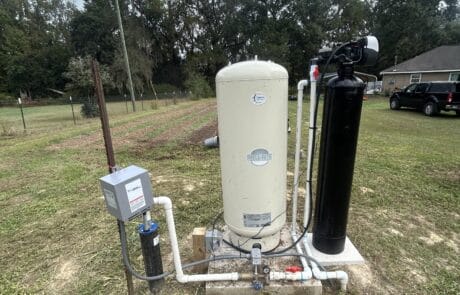
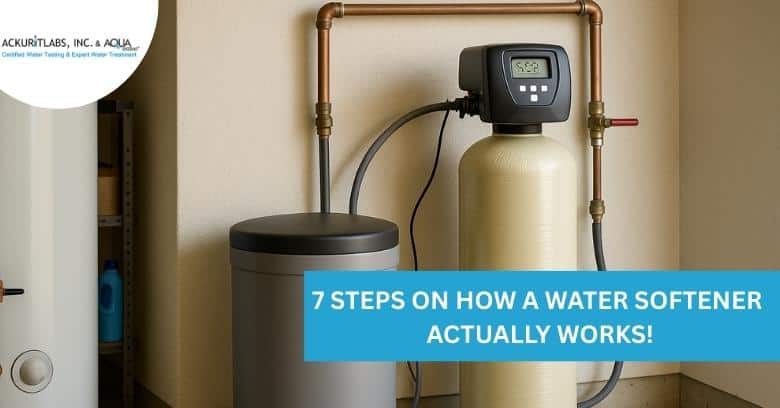
In the water softener, the process occurs in a core component known as the mineral tank. As hard water flows into this tank, it passes through a bed of tiny, specially engineered resin beads. These beads are made of polystyrene and are charged with sodium ions, a key component of the entire softening process.
3. Ion Exchange: The Heart of the Process
This is where the science of water softening shines. The resin beads in the mineral tank carry a negative charge, attracting and retaining the positively charged calcium and magnesium ions in hard water. As the hard water percolates through the resin bed, the beads trap the hardness minerals and in turn, release their own sodium ions. This swap of calcium and magnesium for sodium is called ion exchange, transforming hard water into soft water before it ever reaches your tap.
Why Ion Exchange Matters
For homeowners in areas like Tallahassee, this step is crucial. Not only does it prevent scale buildup in plumbing and fixtures, but it also means that your water is gentler on skin and hair, making daily routines more comfortable and effective.
4. Soft Water Distribution: Ready for Use
Once the ion exchange is complete, the softened water is distributed throughout your home's plumbing network. What is left is water that no longer contains the harsh, hard minerals, providing more efficient soap lathering, cleaner dishes, extended appliance serviceable life, and a noticeable reduction in mineral spots and scaling.
5. Accumulation: Resin Beads Reach Saturation
After multiple cycles, the resin beads within the mineral tank become saturated with hardness minerals and can no longer effectively soften incoming water. This is a normal part of the process and signals the need for regeneration, a vital step in the ongoing operation of your water softener, especially with the frequent use seen in Tallahassee and busy households across Crawfordville.
6. Regeneration: System Self-Cleans for Peak Performance
Regeneration is essentially a deep-cleaning reset for your water softener's resin beads. The system automatically switches into a regeneration cycle, usually during low-usage hours and often at night. Here, the softener flushes the resin tank with a high-concentration salt or brine solution from the brine tank. The sodium-rich saline knocks the trapped calcium and magnesium ions loose from the resin beads, washing them away and restoring the beads' capacity to soften water.
Regeneration Steps At a Glance
- Brine Draw: Brine solution is drawn from the brine tank into the mineral tank.
- Backwash: The system reverses water flow to dislodge debris from the resin bed.
- Rinse: Fresh water flushes out the displaced minerals and excess brine.
7. Reset and Repeat: Continuous Softening
After regeneration, the water softener system returns to its standard softening mode. The resin beads, now recharged with sodium ions, are ready to tackle another cycle of hard water. The process is continuous, providing non-stop soft water to your home as long as the system is properly maintained and the brine tank is replenished with salt.
In-Depth Look at Water Softener Installation in Tallahassee and Crawfordville
While understanding the basic mechanics of water softeners is essential, water softener installation can make or break your system's effectiveness. Homes in Tallahassee and Crawfordville often feature unique water systems and layouts, requiring a professional approach to ensure maximum efficiency.
Factors Affecting Installation
- Water Hardness Levels: Testing your water is the first step. The harder the water, the more resilient the system needed to be.
- Plumbing Layout: Accessibility to your main water supply and available space can influence installation options.
- System Size: A correctly sized softener signifies that you have enough soft water for your household's needs.
- Local Building Codes: Professional installers in Tallahassee and Crawfordville are familiar with area-specific regulations, seeing to it that your system is up to code.
DIY vs. Professional Installation
- DIY Installation: While some systems are marketed as DIY-friendly, incorrect installation can lead to leaks, water pressure issues, or incomplete softening. A professional installer verifies that all connections are secure and optimally positioned.
- Professional Installation: Local pros bring valuable expertise, particularly for addressing unique well water profiles, integrating with existing filtration systems, or tackling space constraints.
Typical Installation Steps
- Site Assessment: Evaluating current plumbing and determining the optimal placement for the water softener.
- Plumbing Preparation: Shutting off water supply, draining lines, and prepping for new connections.
- System Integration: Attaching inlet/outlet hoses, connecting the brine tank, and calibrating controls.
- Testing: Checking for leaks, verifying water flow and regeneration cycles, and confirming water softness.
Professional installers in Tallahassee and Crawfordville also offer ongoing maintenance advice, salt delivery, and troubleshooting, making it worthwhile for many homeowners to invest in expertise.
Pros and Cons of Water Softeners
Pros
- Improved Appliance Longevity: With softened water, appliances like dishwashers and water heaters run more efficiently and last longer.
- Cleaner Clothes and Dishes: No more residue or soap scum, even with hard water in your area.
- Gentler on Skin and Hair: Soft water helps prevent dryness and irritation.
- Lower Energy Bills: Limescale buildup in appliances can increase energy use; soft water prevents this.
- Enhanced Plumbing Health: Reduces risk of clogs and costly repairs.
Cons
- Salt Usage: Regular replenishment of salt is necessary, adding to ongoing costs.
- Sodium Content: Softened water increases sodium levels, which may concern some individuals on low-sodium diets.
- Initial Installation Cost: A professional-grade water softener is an investment, though one that pays off over time.
- Ongoing Maintenance: Routine monitoring, cleaning, and component checks are necessary.
Water Softeners and Their Impact in Tallahassee and Crawfordville
Water softeners are not just about comfort; they are about efficiency and long-term savings. In Tallahassee, where the climate and groundwater composition can vary, water softeners are essential for safeguarding plumbing systems and enhancing daily life. Households in Crawfordville, with its semi-rural setting, benefit from tailored softener solutions that address both municipal and well water sources.
Local water quality reports consistently show moderate to high levels of hardness minerals in Tallahassee and nearby communities. As a result, water softener installation is an increasingly common upgrade, especially in new builds and renovated homes. Not only does this protect your investment, but it also confirms that showers are more pleasant, laundry comes out cleaner, and expensive appliances remain in peak condition.
In summary, water softeners transform ordinary household water into a resource that adds value and comfort to your home, making it a smart choice for anyone living in Tallahassee, Crawfordville, and across North Florida.
Conclusion
Dealing with hard water is a common challenge for many residents in North Florida, particularly in Tallahassee and Crawfordville. Fortunately, understanding the science and steps involved in water softeners can help you make informed choices for your household. By breaking down the process into seven manageable steps, from entry and ion exchange to regeneration and reset, you gain confidence in both the technology and its maintenance.
Remember, the key to a seamless experience lies in professional water softener installation, especially given the unique local water profiles in Tallahassee and surrounding areas. Proper sizing, expert setup, and ongoing support mean that your investment pays off for years in convenience, savings, and reduced wear and tear on your home.
If you are ready to make the transition to softer water, connect with a trusted local installer who understands the specific needs of Tallahassee and Crawfordville homes. The result? Cleaner showers, spotless dishes, happier appliances, and a fresher-feeling home, all thanks to the simple, effective operation of your water softener!
Key Takeaways
- Water Softeners Combat Hardness: By targeting calcium and magnesium ions, water softeners prevent mineral buildup, protecting your pipes, appliances, and fixtures from scale and reducing maintenance costs.
- The Ion Exchange Process Is Essential: Water softeners use negatively charged resin beads to replace hardness minerals with sodium, yielding softer, more effective water for bathing, cleaning, and cooking.
- Regeneration Maintains Efficiency: Periodic flushing of the resin bed with a brine solution is vital to keeping your water softener functioning at peak performance and providing a continual supply of soft water.
- Water Softener Installation Matters: Professional installation in Tallahassee and Crawfordville means your system is properly calibrated for local water conditions, meets all code requirements, and poses minimal risk of leaks or malfunctions.
- Appliance and Plumbing Protection: Softened water helps prolong the serviceable life of water-using appliances and reduces the risk of costly plumbing repairs caused by scale buildup.
- Improved Home Comfort: With soft water, you will notice less soap residue, cleaner laundry, smoother skin, and shinier hair, creating a more pleasant living environment for your family.
- Custom Solutions for North Florida: Water softener systems can be tailored to suit the unique characteristics of Tallahassee and Crawfordville, accommodating both municipal and well water sources for optimal results.
- Cost vs Benefit: While the initial cost of a water softener and ongoing salt usage are considerations, the long-term savings from reduced appliance replacement, plumbing repairs, and cleaning product costs often outweigh the investment.
- Eco-Friendly and Health Considerations: Water softeners reduce the need for harsh chemical cleaners but can slightly increase sodium levels in tap water; consult with your installer if you have dietary concerns.
- Stay Proactive with Maintenance: Regular checks, salt refills, and system cleaning verify an uninterrupted soft water supply and maximum system serviceable life, making water softener ownership hassle-free in the long run.
FAQs
1. What makes water in Tallahassee and Crawfordville hard?
Water in these areas typically contains high levels of calcium and magnesium ions, picked up from local underground sources. This mineral content results in what is commonly known as hard water, which can cause scaling, soap inefficiency, and appliance wear.
2. How does a water softener actually remove hardness minerals?
Water softeners use a process called ion exchange where resin beads inside the system attract and replace calcium and magnesium ions with sodium, effectively softening the water before it is distributed throughout your home.
3. Is professional water softener installation necessary?
While DIY installation is possible for some systems, professional water softener installation verifies that your system is optimized for your home's plumbing and the unique water chemistry in Tallahassee and Crawfordville.
4. How often should I add salt to my water softener?
This depends on your household's water usage and the hardness level in your area. As a general rule, check the brine tank monthly and top it off as needed to maintain peak performance.
5. Will softened water affect the taste of my tap water?
Some people notice a slightly salty taste due to the added sodium in softened water; this is usually minimal. If you are sensitive to sodium or use your water for baby formula, consider a separate tap for unsoftened water.
6. Can a water softener help with iron in water?
Standard water softeners are primarily designed for calcium and magnesium. If your Tallahassee or Crawfordville home has high iron levels, ask your installer about specialized systems or pre-filters designed to remove iron along with other hardness minerals.
7. How long does a typical water softener last?
With regular maintenance, a quality water softener can last 10 to15 years or more, making it a worthwhile investment for homeowners in North Florida.
8. What are the ongoing maintenance requirements?
Regular tasks include checking salt levels, cleaning the brine tank as needed, and occasionally servicing the resin bed. Professional service can help diagnose and resolve issues specific to Tallahassee and Crawfordville's water.
9. Will using a water softener lower my water bill?
Though softened water does not directly reduce water usage, it improves appliance efficiency and reduces energy costs by minimizing scale buildup, leading to lower utility bills over time.
10. Are there alternatives to traditional salt-based water softeners?
Yes, alternatives like salt-free conditioners, reverse osmosis, or magnetic systems exist; however, traditional salt-based water softeners remain the most reliable for hard water issues in Tallahassee and Crawfordville due to local mineral concentrations.