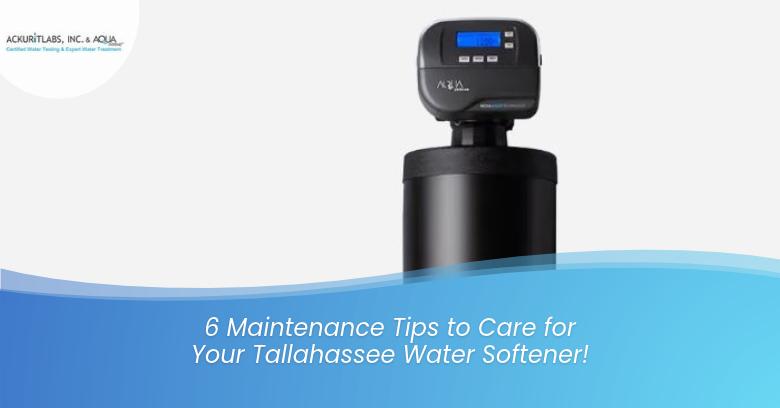
Weighing Options for Water Softening in Tallahassee Florida?
Matching the device to the finding is what separates a useful installation from a blind guess, and the sections below explain how the common options differ.
Speak with Ackuritlabs And Aqua Systems at 850-616-2634 and say whether the supply is a well or a city line.
Before Any Equipment: a Lab Number Beats a Guess
A smell, a stain or a taste is a symptom, and the symptom alone rarely identifies the cure; most reputable providers ask for results before quoting a system. Where no result exists yet, a provider can often suggest what to measure; skipping ahead is where most mismatches begin.
Taking Out Hardness: Regeneration in Plain Terms
The beads in a softener hold hardness minerals until they are rinsed clean, and the stored brine is topped up with salt as needed. Laundry and dishes tend to come out cleaner where the minerals have been removed; other equipment handles those jobs.
Scale Control Without Salt: an Honest Comparison
These devices work on how scale sticks, and they do not strip the minerals out, and maintenance is limited to replacing the media on a schedule. A conditioner will not give the slick feel that a softened supply has in the shower, and it helps compare options fairly.
Activated Carbon: Chlorine, Odors and Organic Traces
Surfaces inside the carbon grab onto particular chemicals, leaving a cleaner taste behind; a catalytic grade is often used where chloramine is the disinfectant. Contact time and flow rate affect results, and a unit pushed too hard performs worse, and the provider can estimate a schedule.
Canisters on the Line – Catching Grit Before It Travels On
Particle filters are the first stage in many systems, catching whatever would clog the rest, and a smaller rating catches finer particles but clogs sooner. Putting stages in the wrong order shortens the life of the costlier cartridge, and a pressure gauge on each side of the housing makes that visible.
Membrane Systems – Dissolved Solids Reduced
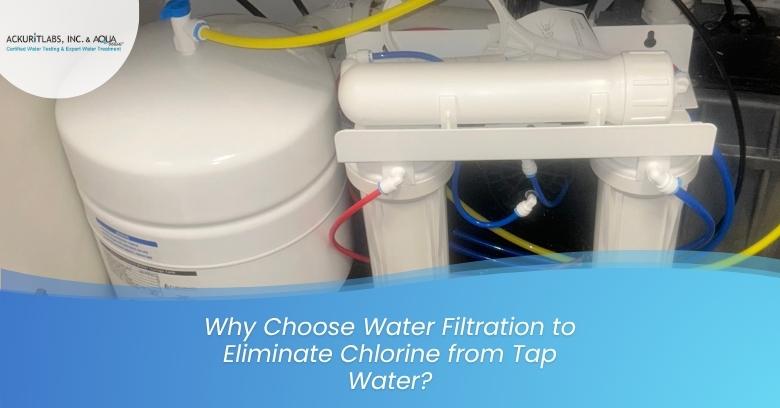
Dissolved solids stay on one side of the membrane and get flushed away, and a small storage tank holds finished supply for the dedicated faucet. The reduction achieved depends on membrane condition, pressure and what is in the feed, and the reject volume is worth asking about.
Injectors and Contact Tanks – the Carbon Stage Afterward
Where a well carries iron, sulfur or microbes, injecting chlorine is a long-established approach, and the dose is set from lab readings. Residual chlorine has to be removed afterward, and a carbon filter normally takes that job; a wrong dose helps nobody.
Where the Equipment Sits – One Tap, One Sink, One Appliance
Equipment where the supply enters the building protects all the plumbing downstream, and the machinery needs floor space near the main shutoff. Many households combine both: a main-line device for scale and a sink model for taste; ask for a simple diagram of the plan.
Flow Rate and Capacity – People, Fixtures and Usage
Ratings printed on the label describe the equipment, and the installer matches them to the building; the number of bathrooms and people is part of the calculation. An undersized system forces flow past the media too fast, which weakens the result; a reasoned answer is a good sign.
Plumbing, Power and Drain Needs: Bypass Valves, Drains and Outlets
Shutoffs on both sides of a unit make servicing simple; chlorine feed pumps and contact tanks add their own requirements. Whoever does the installation should be able to say what the local rules ask for, and clear labels on valves help the next person.
What Changes by Source – Pressure Tanks and Pumps
A well has no utility between it and the tap, so equipment often handles more of the load, whereas chlorine and chloramine lead the list on a city line. Equipment picked from a neighbor's experience may not suit a different source; photos of the existing equipment help.
When the Lights Go Out: Controllers, Pumps and Flooding
Pumps, injectors and controllers all depend on electricity, and an outage pauses every one of them, and the manual shows how to reset the controller. Equipment that sat in floodwater needs inspection before it goes back into service; keep manuals and settings notes together.
Noise, Space and Appearance – Placement Decisions That Last
Compressors and pumps are the noisiest parts of larger systems, and they normally sit in a mechanical space, which is worth thinking through before delivery. Sunlight can damage clear housings and warm the supply, so shade is sensible outdoors; a sketch of the space helps the planning.
An Older System in the Garage: Compatibility With Present Plumbing
Older units may still work but have worn parts, such as seals, valves, resin or membranes; the model number on the label usually leads to a manual and a parts list. New components usually have to fit the pipe sizes, the pressure and the drain already in place; ask for a plain list of what changes and what stays.
Treatment at Business Scale – Keeping Service Running
Business equipment is sized for higher flows and often arranged in pairs so one tank can work while the other recharges, and a drawing of the proposed layout is a reasonable request. Written procedures and a labeled schematic make handovers between staff smoother; ask what monitoring the equipment offers.
Keeping Equipment in Shape: Signs a Unit Needs Attention
Resin beads age slowly, and cartridges and pre-filters age quickly; keep the paperwork in one place. Warning signs include a return of the old taste, scale reappearing and a drop in pressure, and a retest confirms the numbers.
Confirming the Result: Tracking Performance
The most reliable verification is a fresh panel run on the same items as before; schedule it when the system goes in. Some substances respond well and others hardly at all, which the new figures reveal; store copies where they can be found.
Expectations Worth Setting – Matching Promises to Physics
No single device removes every substance, and a pitch that one box covers everything deserves doubt; ask how that is demonstrated. Anyone selling treatment equipment should be able to explain what it reduces and what it leaves alone, and a plain no is sometimes the most useful answer.
What to Ask at the Door: Scope, Parts and Follow-Up
- Which lab results is the proposal based on, and which items does it address, and what stays the same afterward.
- How is the unit set up at the start, and what will you be shown before the crew leaves; clear scope prevents surprises.
- How will you know the equipment is working a few months from now; each of these is worth asking.
Start the Conversation – Share Your Lab Report
Phone Ackuritlabs And Aqua Systems at 850-616-2634 to ask what a sensible first step would be for your supply.
The Short Version: Next Steps
A dependable setup follows a sequence: measure the supply, pick equipment to suit, install it carefully and test again, and for Water Softening in Tallahassee Florida the first step is a conversation about the supply and the symptoms. Questions are welcome at 850-616-2634, where Ackuritlabs And Aqua Systems can lay out the options, and share what the lab report shows.
Verified

Verified
Verified
Verified