Chlorine keeps public water supplies safe from bacteria and other pathogens, but the very chemical that protects communities from waterborne illness can leave a lasting mark on the water flowing through home and business plumbing. Homeowners in Tallahassee Florida and nearby Crawfordville often notice it first through smell: a swimming-pool odor coming from the kitchen faucet or shower. Others notice it in taste, in dry skin after a shower, or in faded clothing after laundry day. These are not just cosmetic annoyances. When chlorine byproducts combine with organic matter in water, they can form compounds many households would rather avoid drinking or bathing in long-term.
This matters more right now than it did a decade ago. Municipal water treatment has become more aggressive in many areas as utilities work to meet safety standards, which means chlorine levels fluctuate more noticeably throughout the year. At the same time, homeowners and commercial building owners are paying closer attention to what comes out of their taps, driven by a broader interest in health, sustainability, and water quality. Choosing the right water filtration system to handle chlorine effectively is no longer a luxury decision; it is a practical one that affects daily comfort, appliance longevity, and peace of mind.
This article explains what chlorine does to residential and commercial water systems, the water filtration technologies best suited to removing it in Tallahassee and Crawfordville Florida, and the practical steps involved in installing a system that fits a specific property. Along the way, it draws on the kind of scientific grounding and hands-on service experience that separates a guess from an informed decision.
Why Chlorine Ends Up in Your Water - and Why It Is a Problem
Water utilities add chlorine because it is effective and inexpensive at killing bacteria, viruses, and other microorganisms before water reaches homes and businesses. It is a public health tool, not an oversight. Yet once water leaves the treatment plant and travels through miles of pipe to reach a property in the Tallahassee Florida area, the chlorine that protected it along the way is still present when it comes out of the tap.
The Everyday Signs of Chlorinated Water
Most people notice chlorine before they think about testing for it. Some common signs include:
- A distinct chemical or swimming-pool-like smell coming from faucets or showerheads
- A flat or slightly bitter taste in drinking water
- Skin that feels dry or itchy after bathing, especially in households with sensitive skin
- Hair that feels brittle or looks duller after washing
- Fabrics that fade faster than expected after repeated washing cycles
None of these symptoms are dangerous like a bacterial contaminant, but they add up to a lower quality of life and over time, added expense from replacing fabrics, fixtures, and even certain plumbing components that degrade under chlorine exposure.
The Hidden Chemistry Concern
The real complication with chlorine for homeowners in Tallahassee or Crawfordville Florida comes when it interacts with organic material naturally present in water sources, forming byproducts such as trihalomethanes. These compounds have drawn attention in water quality research because of concerns about long-term exposure. This is where a background in environmental chemistry becomes valuable. A lab that employs chemists and microbiologists, rather than relying solely on generic test strips, can identify not just the presence of chlorine but the byproducts forming alongside it, giving a homeowner or building manager a much fuller picture of what water filtration approach will actually solve the problem.
Matching Water Filtration Technology to the Chlorine Problem
Not all filters are built to deal with chlorine and not all chlorine problems are the same. A system that works well for a small household with mild odor complaints may be inadequate for a commercial building with heavier water use and stricter cleanliness expectations. Selecting the right water filtration setup starts with understanding the main technologies available.
Activated Carbon Filtration
Activated carbon is the most common and cost-effective method for reducing chlorine taste and odor. It works by adsorbing chlorine molecules and many organic compounds as water passes through a carbon bed. Key points to consider:
- Granular activated carbon or GAC filters are typically installed at the point of entry or under a sink and require periodic replacement to stay effective.
- Carbon block filters offer a denser filtration medium, often catching more contaminants but at a slightly slower flow rate.
- Carbon filtration alone does not soften water or remove minerals, so households with both chlorine complaints and hard water issues often need a combined approach.
Whole-House Water Filtration Systems
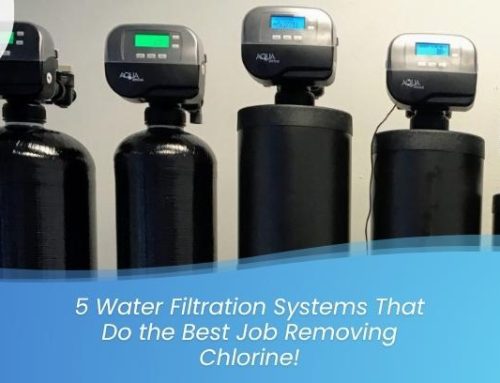
For homeowners and commercial property owners who want to protect every tap, shower, and appliance from chlorine exposure, a whole-house water filtration system installed at the main water line is usually the most thorough solution. This approach treats water before it reaches any fixture, which matters for people who are as concerned about chlorine in shower steam as they are about chlorine in drinking water.
Reverse Osmosis for Drinking Water
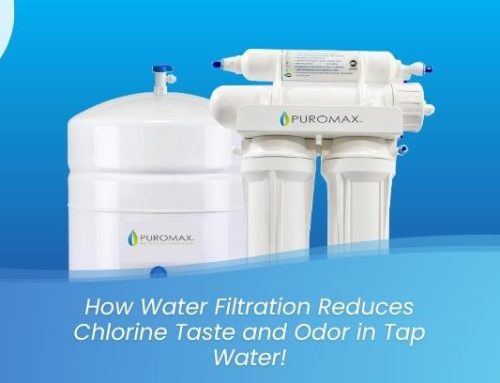
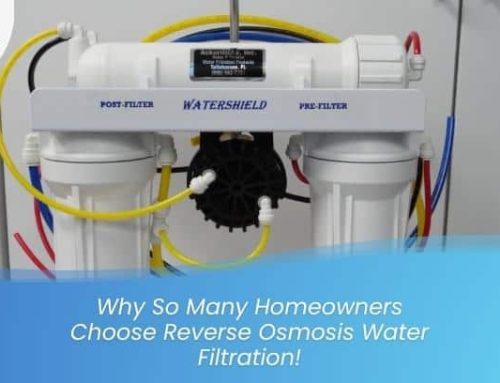
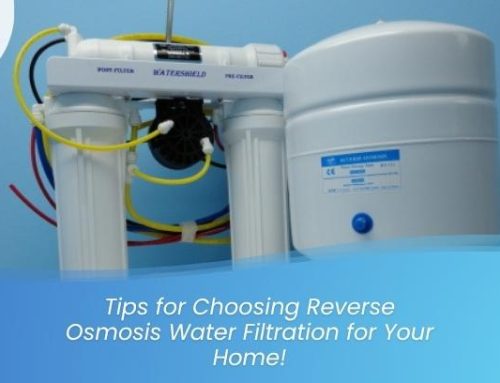
Reverse osmosis water filter installation is typically done under the kitchen sink and provides highly purified drinking water by forcing water through a semi-permeable membrane. While reverse osmosis is often paired with a carbon pre-filter to protect the membrane from chlorine damage, it is generally used for drinking and cooking water rather than for whole-house treatment, since it operates at lower flow rates.
Water Softening Paired with Filtration
In many parts of Florida, hard water and chlorine issues show up together. A combined water softening and water filtration approach addresses scale buildup in pipes and appliances while simultaneously tackling chlorine taste and odor. This dual approach is often the most practical long-term solution for properties dealing with both concerns.
What to Consider Before Choosing a System
Selecting water filtration equipment without first understanding a property's specific water chemistry is a common and costly mistake. Water conditions vary block by block and a system that works well for a neighbor's home may not be calibrated correctly for another property's water profile.
Start With Water Testing, Not Guesswork
Before investing in any water filtration equipment, it makes sense to have a certified laboratory test your water. Testing reveals not just chlorine levels but also hardness, pH, iron content, and other contaminants that may affect which filtration components you need. A lab certified by NELAP and the Florida Department of Health brings a level of scientific rigor that a basic home test kit cannot match, since certified labs follow standardized protocols and meet accuracy requirements that protect result reliability.
For anyone in Tallahassee Florida or nearby Crawfordville who wants a quick first look at their water quality, bringing in a sample for a free in-store water test is a practical starting point. This test can quickly show whether hard water is a factor, giving homeowners an immediate sense of what they are dealing with before committing to larger testing or filtration decisions.
Questions to Ask Before Buying
Homeowners and commercial building owners should walk through a short mental checklist before settling on any water filtration equipment:
- What does the water testing actually show about chlorine levels and byproducts?
- Is the concern limited to taste and odor or are there also hardness, iron, or sediment issues?
- How much water does the property use daily and will the chosen system meet demand?
- Does the property need whole-house treatment, point-of-use treatment at the kitchen sink, or both?
- What is the filter-replacement schedule and who will handle it?
- Is the system being chosen based on real water data or on assumptions about what should or should not be in the water?
Skipping these questions is how homeowners end up with undersized equipment or filtration media that does not match their actual water chemistry.
Sizing and Placement Matter
A water filtration system that is too small for a household's water demand will lose effectiveness quickly, requiring more frequent filter changes and delivering inconsistent results. Commercial buildings in particular need systems sized for peak usage rather than average usage, since undersized equipment tends to fail when it is needed most during high-demand periods.
The Water Filter Installation Process
Once testing has clarified what a property actually needs, the next phase is water filter installation. This is where many DIY attempts run into trouble, because proper installation involves more than connecting a unit to the main line.
Steps Involved in a Professional Installation
A typical water filter installation for a whole-house system follows a general sequence:
- Reviewing water test results to confirm the correct filtration media and system size for the property.
- Identifying the best location for installation, usually near the main water line entry point, while accounting for available space and drainage needs.
- Shutting off the water supply and safely integrating the new system into existing plumbing.
- Testing the system after installation to confirm chlorine reduction and proper water flow throughout the property.
- Reviewing maintenance requirements with the homeowner or building manager, including filter replacement timelines.
Skipping steps, particularly the initial water testing and post-installation verification, is one of the most common reasons a newly installed system underperforms.
Why Professional Water Filter Installation Matters
Water filter installation done without proper testing or plumbing knowledge can lead to leaks, incorrect sizing, or a system that never actually solves the chlorine problem it was purchased to fix. Professional installation in Tallahassee Florida accounts for local water conditions, existing plumbing configurations, and the specific concerns raised during testing. Similarly, water filter installation in Crawfordville needs to account for the particular water characteristics found in that area, which can differ from those in more urban parts of the region.
Commercial properties add another layer of complexity, since building codes, water usage volume, and multiple points of use all affect how a system should be installed and maintained. A commercial building owner in Tallahassee managing multiple restrooms, break rooms, and mechanical systems has very different water filter installation needs than a single-family homeowner and treating the two the same way rarely works.
Maintaining Your System for the Long Term
Choosing and installing water filtration equipment is only half the equation. Ongoing maintenance determines whether a system keeps performing well years down the line or gradually loses effectiveness without anyone noticing.
A Practical Maintenance Routine
- Replace carbon filters on the schedule recommended for the specific media type and household water usage, rather than waiting until odor or taste returns.
- Schedule periodic water retesting, especially if taste, smell, or appearance changes.
- Inspect whole-house systems for signs of leaks or reduced water pressure, which can indicate a clogged or failing filter.
- Keep records of installation dates and filter changes so maintenance is not left to memory alone.
- Pay attention to seasonal changes in municipal water treatment, since chlorine levels can shift during certain times of year.
Staying subscribed to water-quality education resources, such as a monthly e-newsletter covering water-quality updates, can also help homeowners and building owners stay ahead of changes in local water treatment practices rather than reacting after the fact.
When to Call in Professionals Again
Even a well-maintained system benefits from periodic professional review. If water starts tasting or smelling different, pressure drops unexpectedly, or a property changes hands and new owners are unsure of the system's history, it is worth having the water retested and the system inspected. This is particularly true for commercial properties, where water quality issues can affect not just comfort but also compliance and customer experience.
Conclusion
Chlorine in tap water is a manageable problem for property owners in Tallahassee Florida, but only when they address it with accurate information rather than guesswork. The right water filtration system depends on what a property's actual water testing reveals, not on assumptions borrowed from a neighbor's setup or a generic online recommendation.
Homeowners and commercial building owners who start with certified testing, choose filtration technology suited to their specific water chemistry and follow through with professional water filter installation and regular maintenance put themselves in the best position to enjoy consistently clean, better-tasting water. There is no need to keep tolerating chlorine odor, dry skin, or fading fabrics in Tallahassee or Crawfordville when a properly matched filtration solution can resolve those issues directly. The smartest next step to simply get the water tested, understand what is actually in it, and make the filtration decision from there rather than after the fact!
Key Takeaways
- Chlorine byproducts and odor issues are best identified through certified water testing rather than guesswork or assumptions.
- Activated carbon filtration effectively reduces chlorine taste and odor, while whole-house systems provide more comprehensive protection at every tap.
- Properties dealing with both hard water and chlorine complaints often benefit from a combined softening and filtration approach.
- Professional water filter installation provides correct system sizing, proper plumbing integration, and verified performance after setup.
- Regular maintenance, including timely filter replacement and periodic retesting, keeps a filtration system performing effectively for years.
- A free in-store water test offers a quick, low-commitment way to get an initial read on water quality before making a larger decision.
Frequently Asked Questions
How do I know if chlorine is actually the problem with my water?
The clearest way is to test your water rather than rely on smell or taste alone. A certified lab can confirm chlorine levels and identify any related byproducts, which helps determine whether a simple carbon filter will solve the issue or whether you need a more comprehensive system.
What is the difference between a carbon filter and a whole-house filtration system?
A carbon filter typically treats water at one point of use, such as a kitchen sink, while a whole-house system treats water as it enters the property, protecting every fixture. Homeowners concerned about chlorine in showers and laundry as well as drinking water usually lean toward whole-house treatment.
Can chlorine damage my plumbing or appliances over time?
Yes, prolonged exposure to chlorinated water can contribute to wear on certain plumbing components, seals, and appliances. Combined with hard water minerals, chlorine can accelerate scale buildup and reduce the serviceable life of water heaters and other equipment.
Is it better to filter chlorine at the point of entry or just at the kitchen sink?
It depends on the household's priorities and water usage habits. Point-of-entry, whole-house filtration addresses chlorine throughout the property, while point-of-use filtration at the sink is a lower-cost option focused specifically on drinking and cooking water.
How often does a water filtration system need new filters?
Replacement schedules vary based on filter type, water usage, and the specific chlorine and contaminant levels present. Following the manufacturer's guidance, along with periodic water retesting, helps see that the system continues performing as expected.
Do I need a water softener in addition to a chlorine filter?
Many properties in the region deal with both hard water and chlorine issues, so a combined softening and filtration system is often the most practical solution. Water testing will clarify whether hardness is present alongside chlorine concerns.
How long does professional water filter installation typically take?
Most residential water filter installation projects can be completed within a matter of hours, though timing depends on system complexity and existing plumbing conditions. Commercial installations may take longer due to building size and multiple points of use.
Do water filter services offer water testing before recommending a filtration system?
Yes, testing is the recommended starting point before deciding on a filtration system. A skilled water filter installation service will typically recommend water testing to analyze your water and support an informed filtration choice.