If you are considering improving your home's water quality, you have likely encountered two main options: water softeners and water filters. Both systems play a crucial role in enhancing the taste, safety, and overall quality of your water supply, yet they serve distinctly different purposes. Understanding these differences is especially important if you live in regions like Tallahassee Florida or nearby areas such as Woodville Florida where water quality can vary significantly due to local geology, municipal treatment processes, and the prevalence of hard water.
Residents across Florida frequently face challenges with hard water as a result of high concentrations of calcium and magnesium found naturally in groundwater. These minerals, while not harmful to health, can create a range of household headaches including scale buildup in pipes and appliances, spotty dishes, lackluster laundry, and even dry skin and hair. In Tallahassee and Woodville, many homeowners experience these problems, prompting them to seek solutions that go beyond standard tap water.
On the other hand, water filters are designed to remove a much broader spectrum of contaminants, ranging from chlorine and sediment to bacteria, pesticides, and heavy metals. Municipal treatment facilities in Tallahassee and surrounding communities do a commendable job of making tap water safe to drink, but they cannot always filter out every impurity or address issues like taste and odor. For many families, especially those with health concerns or young children, investing in a water filtration system can offer peace of mind and noticeably better water quality.
But how do you know whether your home needs a water softener, a water filter, or perhaps both? And what is involved in the process of water softener installation? Making an informed choice starts with understanding how these systems function, their advantages and limitations, and how they address specific water quality issues common in Tallahassee, Woodville, and the broader Florida region.
This guide will provide a detailed comparison of water softeners and water filters, walk you through their installation considerations, and share practical advice for choosing the right solution for your home. Whether you are a long-time homeowner, a renter ready to upgrade your water experience, or a new resident adapting to the local water conditions, this article is your go-to resource for clear, actionable information on water softening and filtration in Florida.
Water Softeners and Water Filters: What Is the Difference?
Before you can choose between a water softener and a water filter, it is important to understand the fundamental differences between these two systems, especially if you are facing hard water in Tallahassee or sediment issues in Woodville.
What Is a Water Softener?
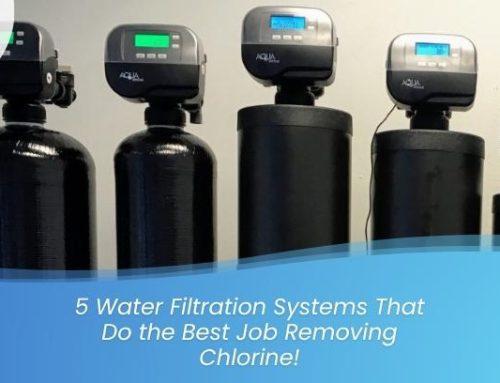
A water softener is a specialized device that removes hardness, typically by replacing calcium and magnesium ions with sodium or potassium ions through a process called ion exchange. The result? Softer water that is gentler on your skin, minimizes scale buildup in plumbing, and extends the serviceable life of home appliances like washing machines, dishwashers, and water heaters.
In areas like Tallahassee Florida, municipal water often contains moderate to high mineral content, making water softener installation a wise investment for homeowners dealing with chronic hard water problems. These systems come in various sizes and types, from traditional salt-based units to newer salt-free and magnetic softeners. Regardless of the model, the core purpose remains the same: to tackle hard water and its annoying side effects.
Pros of Water Softeners
- Prevents Scale Buildup: Extends the serviceable life of pipes and appliances by preventing mineral deposits.
- Improves Cleaning Efficiency: Soft water enhances soap lather, making cleaning more effective and reducing detergent use.
- Gentler on Skin and Hair: Many residents notice less dryness and irritation when showering with softened water.
- Cost-Effective in the Long Run: Less maintenance for appliances and plumbing can lead to lower repair and replacement costs.
Cons of Water Softeners
- Does Not Remove Contaminants: Water softeners are not designed to eliminate chlorine, bacteria, or chemicals.
- Adds Sodium or Potassium: Some people have dietary restrictions and may prefer to limit added sodium from the softening process.
- Periodic Maintenance: Systems require maintenance, including the replenishment of salt or potassium pellets.
- Initial Installation Cost: Professional water softener installation in areas such as Tallahassee and Woodville incurs an upfront expense.
What Is a Water Filter?
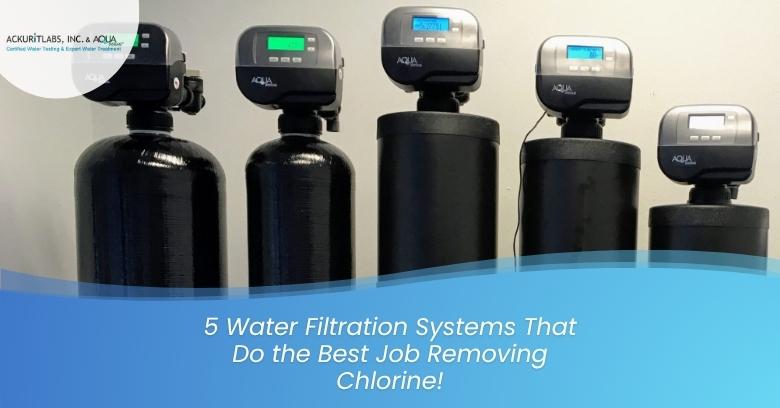
On the other hand, a water filter is engineered to trap or absorb contaminants in your water supply. Filters can be as simple as a carbon pitcher filter or as complex as a whole-house reverse osmosis system. The contaminants these filters target depend on their design as some focus on chlorine and sediment, while others can remove heavy metals, pesticides, bacteria, or even microplastics.
With Florida's mix of urban and rural environments, residents in Tallahassee and Woodville may face a range of potential contaminants, from agricultural runoff to older plumbing systems that leach metals. For these reasons, installing the right water filtration system can be a game-changer for families concerned about their water's safety and taste.
Pros of Water Filters
- Targets a Wide Range of Contaminants: Removes or reduces chlorine, sediment, heavy metals, bacteria, and more.
- Improves Taste and Odor: Many homeowners report significant improvement in the taste and smell of their water.
- Customizable Solutions: Filters come in different forms including under-sink, countertop, whole-house, making them adaptable to any home.
- Increased Health Protection: Reducing exposure to waterborne contaminants is especially vital for households with infants, seniors, or individuals with compromised immune systems.
Cons of Water Filters
- Does Not Soften Water: Water filters generally do not address hard water minerals unless they incorporate additional softening technology.
- Routine Replacement: Filter cartridges require regular replacement, adding ongoing maintenance costs.
- Varying Effectiveness: Not all filters eliminate every type of contaminant, so it is essential to match the filter to your specific water issues.
- Potentially Slower Flow: Some filters can reduce the flow rate, especially under-sink or reverse osmosis models.
How to Tell Which System You Need
So, which is best for your needs: a water softener or a water filter? In Tallahassee Florida, the answer depends on your main water problems.
- If you notice white, chalky buildup on fixtures, spotty glassware, and dry hair or skin, hard water is likely the culprit. A water softener installation can alleviate these problems.
- If your water tastes odd, smells like chlorine, or you are concerned about potential contaminants from local agriculture or aging pipes, a water filter is your best bet.
- In many households, particularly in Woodville and other rural pockets of Florida, combining both solutions offers comprehensive water quality improvement, namely soft water that is also clean and safe.
Local water testing is a straightforward, affordable step that can provide clarity on which contaminants or minerals are present in your supply. Many plumbing professionals in Tallahassee and Woodville offer free or low-cost water tests and guide you toward the most effective solution for your home.
Water Softener Installation in Tallahassee and Woodville
If you have determined that hard water is a persistent issue, water softener installation can be a smart investment in Tallahassee, Woodville, and other nearby Florida communities. Let's see what is involved in selecting, installing, and maintaining a water softener locally.
Pre-Installation Considerations
- Water Hardness Testing: Start with a comprehensive test to determine the grain level of water hardness in your location. This lets you choose a system with the right capacity.
- Space Assessment: Identify a suitable installation site near your main water line and drain, typically a garage, basement, or utility room.
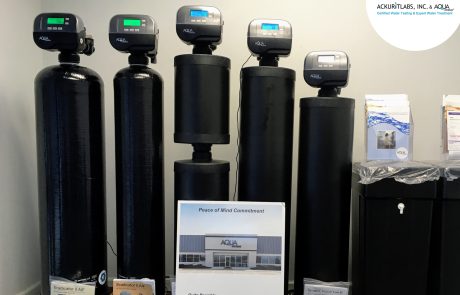
- Type of Softener: Select from traditional salt-based softeners, salt-free alternatives, or dual-function systems that incorporate some filtration.
- Permits and Local Codes: Some areas in Florida may have specific codes or permit requirements for new plumbing installations.
The Installation Process
Professional water softener installation is highly recommended, especially to be in compliance with local codes and optimal system efficiency. Here is what to expect:
- Isolation of the Main Water Line: The installer will turn off your home's water supply and isolate the line where the softener will be integrated.
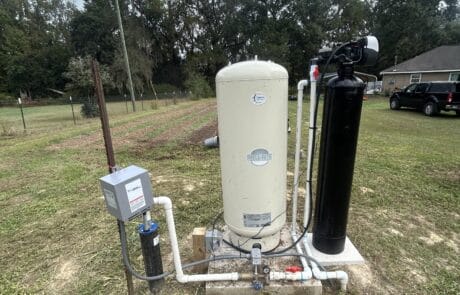
- System Setup: The softener tank, brine tank, and connecting pipes are positioned and properly secured.
- Bypass Valve and Drain Connection: A bypass valve allows you to temporarily take the system offline for servicing. The drain line diverts the waste brine during regeneration cycles.
- Initial Programming and Testing: The system is programmed according to your water hardness level and personalized schedule.
- Final Inspection: The installer will run a system test, check for leaks, and make sure all connections are up to code.
Maintenance and Upkeep
- Salt or Potassium Replenishment: Every few weeks, you will need to add regeneration media to keep the device functioning.
- Periodic Cleaning: The brine tank should be cleaned periodically to prevent salt bridging or sediment buildup.
- Annual Inspection: Schedule routine check-ups with a local professional to be sure all parts are in working order.
Water softener installation is a straightforward process when performed by experienced technicians in Tallahassee and Woodville. Many providers offer ongoing maintenance packages for added convenience and peace of mind.
Water Filters: Options and Installation Insights
If your concerns lean more toward contaminants than hard water, water filters offer versatile protection. Let's look at the most popular types and what you should know about installing them in the Tallahassee and Woodville area.
Common Water Filter Types
- Carbon Filters: Great for removing chlorine, volatile organic compounds or VOCs, and improving taste/odor.
- Sediment Filters: Effective at trapping sand, rust, and silt which is ideal for homes drawing water from wells or older municipal infrastructure.
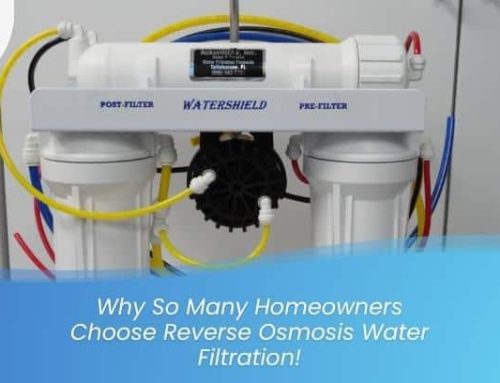
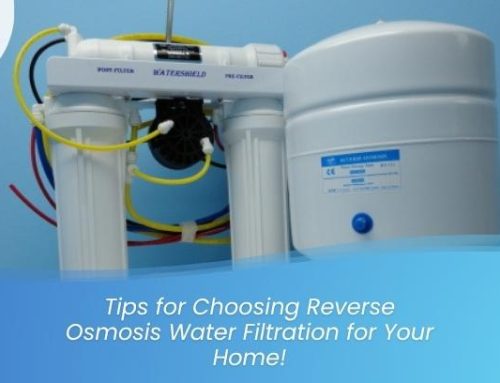
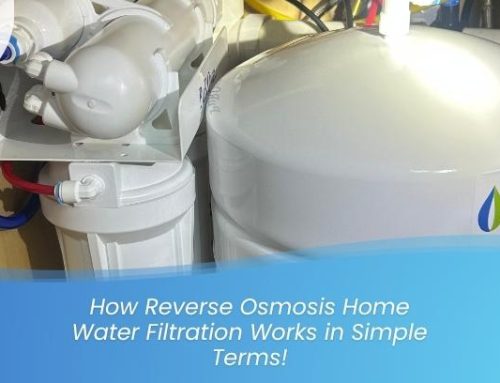
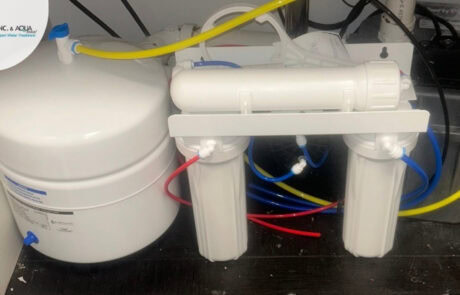
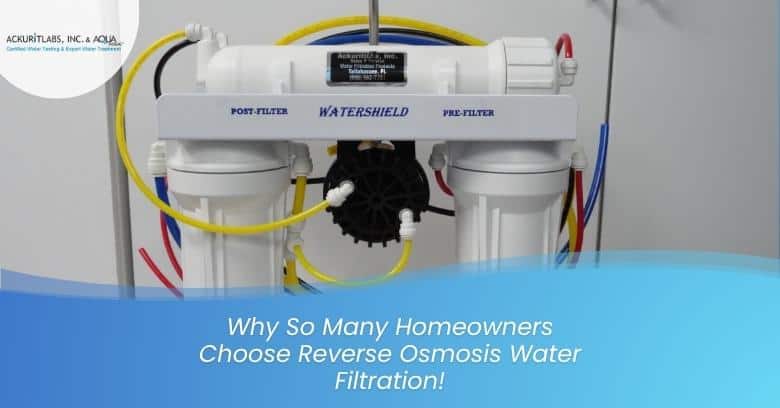
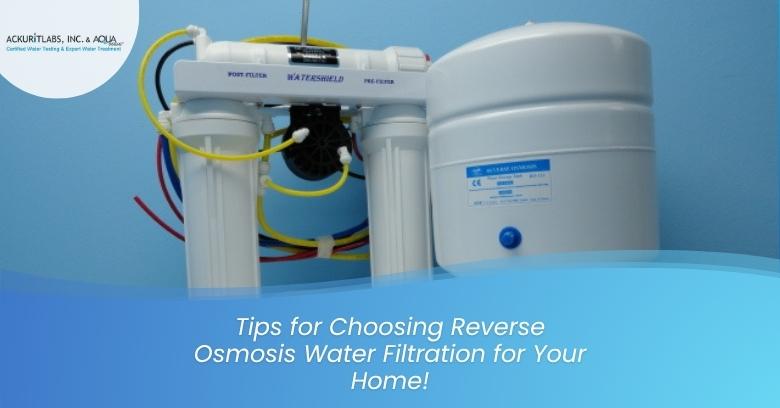
- Reverse Osmosis or RO Units: Remove a broad range of contaminants, including lead, nitrates, pesticides, and even viruses.
- UV Purification: Kills bacteria and viruses using ultraviolet light; commonly paired with sediment or RO filters for complete treatment.
Filter Installation: What to Expect
- Point-of-Use vs Whole-House: Decide whether you want filtered water at every tap which is whole-house or only at specific locations which is point-of-use, such as the kitchen sink.
- Ease of Installation: Many point-of-use filters can be installed DIY, but whole-house systems are best handled by professionals to make certain that water pressure and flow are not compromised.
- Maintenance Needs: Keep track of cartridge replacement schedules and monitor filter performance indicators.
Local Water Quality Factors
Tallahassee and Woodville have variable water sources and rural well users may require additional filtration for sediment or iron. Municipal customers most often benefit from carbon or RO systems to improve taste and remove trace chemicals. If you are unsure, reliable local water treatment companies can recommend or perform water quality tests and tailor solutions to your needs.
How Water Softeners and Filters Impact Your Home and Daily Life
Whether you choose a water softener, a water filter, or both, the right water treatment system can positively impact practically every aspect of your home life:
- Cleaner Dishes and Laundry: No more cloudy glasses or dingy whites.
- Longer Appliance Serviceable Life: Reduced mineral scale means less damage to water heaters, washing machines, and dishwashers.
- Better Bathing Experience: Smoother, less irritating water for showers and baths.
- Peace of Mind: Assurance that your family drinks and cooks with safe, pleasant-tasting water.
Many Tallahassee and Woodville residents start with a water softener installation and later add filtration, especially after moving into homes with older plumbing or noticing changes in water taste and odor. The flexibility of modern systems means you do not have to choose one or the other. You can customize your home's water quality to address any concern, now or in the future.
Conclusion
Choosing between a water softener and a water filter does not have to be overwhelming, especially when you understand the differences, benefits, and installation considerations specific to Tallahassee Florida, Woodville, and the greater Florida area. Water softeners are ideal for tackling hard water issues that lead to scale, appliance wear, and lackluster cleaning. Meanwhile, water filters are your go-to solution for removing taste, odor, and contaminants that may slip through municipal treatment or well water systems. In many cases, the best approach is a tailored combination for your home's needs and your family's preferences.
If you are tired of battling hard water or concerned about what is coming out of your tap, now is the time to act. Professional water softener installation or advanced filtration can make a dramatic difference in water quality, your daily routines, and the longevity of your home's plumbing infrastructure.
Do not leave your family's water quality to chance. Reach out to trusted local experts in Tallahassee or Woodville Florida for a water test, personalized recommendations, and expert installation. With the right system in place, you will enjoy peace of mind, healthier living, and all the benefits of pure, soft water in every room of your home!
Key Takeaways
- Understand Your Water Quality: Start with a water test to identify if hard water, contaminants, or both are present. This foundational step will dictate whether you need a water softener, a filter, or a combination of both.
- Identify the Main Problem: Hard water typically causes scale buildup and dry skin, while taste, odor, or health concerns often point toward the need for filtration.
- Local Conditions Matter: In Tallahassee and Woodville Florida, geological and municipal factors contribute to water quality issues, so tailoring your solution to local realities yields maximum results.
- Choose the Right System: Water softeners tackle hardness minerals through ion exchange; water filters remove a wide variety of contaminants and improve taste.
- Professional Installation Is Best: Especially for water softener installation, hiring a licensed local professional delivers safe, code-compliant setup and long-term efficiency.
- Plan for Maintenance: Both softeners and filters require ongoing attention, either replenishing salt or changing filter cartridges, to keep performing optimally.
- Customization Offers Flexibility: Many homeowners benefit from installing both a softener and a filter, enjoying soft, clean, and safe water throughout the home.
- Consider Your Health Needs: Families with infants, seniors, or immune-compromised members may require advanced filtration for additional protection.
- Lower Costs Over Time: Investing in a quality water treatment system can reduce soap and detergent usage, lower appliance repair bills, and even improve utility efficiency.
- Expert Advice Is Readily Available: Local specialists in Tallahassee and Woodville offer water testing, tailored recommendations, and reliable water softener installation and filtration services to have the right fit for your home.
FAQs
1. What is the main difference between a water softener and a water filter?
A water softener primarily removes minerals like calcium and magnesium that cause hard water, while a water filter targets various contaminants such as chlorine, sediment, and bacteria. Both systems improve water quality but serve different purposes, essential for households in Tallahassee or Woodville Florida.
2. Is water softener installation complicated for homes in Tallahassee Florida?
Professional water softener installation is straightforward for experienced technicians. It usually involves connecting the system to your main water line, programming it based on your water hardness levels, and being compliant with local plumbing codes, a vital consideration in Florida homes.
3. Can a water softener remove bad taste or odor from my water?
No, water softeners target hardness minerals but do not address taste, odor, or chemical contaminants. For those issues, a water filter such as a carbon or reverse osmosis unit is recommended.
4. Do I need both a water softener and a water filter?
Many homes in Tallahassee and Woodville benefit from both systems , softening water for appliances and cleaning while filtering out contaminants for better taste and safety.
5. How often does a water softener need maintenance?
Water softeners require regular salt or potassium refills every few weeks, periodic cleaning, and annual inspections to keep functioning properly. Maintenance schedules can vary based on system type and water usage.
6. Are there salt-free water softener options available in Florida?
Yes, salt-free softener technologies such as template-assisted crystallization (TAC) or electromagnetic devices are available in Tallahassee and Woodville, though they work best for certain hardness levels and require less maintenance.
7. How do I know which contaminants are in my water?
A professional water test is the most reliable way to determine which specific contaminants or hardness levels are present in your water. Many Florida water treatment companies offer this service and can interpret results for you.
8. Will a water filter reduce water pressure in my home?
Some filters, especially whole-house or reverse osmosis systems, can slightly reduce water pressure if not properly sized or maintained. Choosing the right filter capacity for your household's needs provides optimal performance.
9. What is the typical serviceable life of a water softener or filtration system?
With proper maintenance, water softeners generally last 10 to 15 years, while the longevity of filtration systems depends on the type. Carbon filters last several months, whereas reverse osmosis membranes can last 2 to 3 years with appropriate care.
10. Where can I find expert water softener installation in Tallahassee or Woodville Florida?
Local plumbing and water treatment specialists serve Tallahassee, Woodville, and surrounding Florida communities. Look for providers with solid reviews, local experience, and transparent pricing to have a smooth installation process and ongoing support.