When it comes to water quality in Florida, particularly in regions like Tallahassee and Crawfordville, the conversation often turns to how best to treat and manage the water coming into your home or business. If you have been noticing issues like hard water stains, a lingering taste or odor, or scaling on your appliances, you are not alone as many households across North Florida face water quality challenges that can affect not only the taste and usability of water but also the serviceable life of home plumbing and appliances.
Florida's naturally occurring limestone aquifers are a prime source of minerals, which means that water here is often hard. This refers to high levels of calcium and magnesium, which can lead to a host of problems, from unsightly spots on glassware to the premature failure of water heaters and dishwashers. Choosing the right water treatment solution can make a world of difference, but with so many options from basic filtration to advanced water softeners, how do you know which system is the best fit for your needs?
In this article, we will walk you through everything you need to know about selecting the ideal water treatment system in Tallahassee Florida, Crawfordville, and the broader North Florida region. Drawing on the latest insights into water softeners and alternative filtration systems, this guide will help you make an informed decision that protects your home, health, and wallet.
Whether you are considering a whole-home water softener to combat mineral buildup or looking into specialized filtration to remove contaminants, understanding your water's unique qualities is key. With local factors such as high mineral content and seasonal fluctuations in water quality, Floridians face unique considerations that set them apart from homeowners elsewhere. If you are in Tallahassee or Crawfordville Florida and have ever wondered whether you need a water softener, a filtration system, or both, this comprehensive guide is the resource you have been waiting for.
We will cover the pros and cons of different systems, how each addresses Florida-specific water issues, and what you can expect from professional water softening service in the area. By the end, you will have the clarity you need to choose the water treatment system that fits your family's needs and budget as well as the unique water challenges of North Florida.
Understanding Water Quality in Tallahassee and Crawfordville Florida
The first step to selecting the right water treatment system is understanding exactly what is coming out of your taps. In Tallahassee and Crawfordville, most homes rely on groundwater sourced from aquifers. While this water is generally safe, it often contains high levels of minerals and in some cases, natural organics and trace contaminants.
The presence of calcium and magnesium in large quantities is what gives water its hardness. These minerals are naturally picked up as water percolates through Florida's limestone bedrock. Hard water is not a health hazard, but it does bring its own set of problems, including:
- Scale Buildup: Mineral deposits can clog pipes, reduce the serviceable life of water heaters as well as dishwashers, and make cleaning more difficult.
- Soap Inefficiency: Hard water reduces the effectiveness of soaps and detergents, requiring more product to achieve the same level of cleanliness.
- Spotting and Film: Glassware, faucets, and tiles are often left with spots and films after washing in hard water.
- Appliance Wear: All of these factors combine to reduce the efficiency and serviceable life of major appliances.
In addition to hardness, some areas may have issues with iron, sulfur, or trace amounts of organic material that can affect the color, taste, and smell of your water. Every home's water quality can vary slightly, which is why professional water testing is a key first step in any treatment plan.
Water Softeners: The Tried-and-True Solution
If you live in Tallahassee or Crawfordville Florida, chances are that installing a water softener is one of the most effective ways to tackle hard water. Water softeners use a process called ion exchange, replacing calcium and magnesium ions in your water with sodium or potassium ions. The result? Water that is kinder to your pipes, appliances, and skin.
Let's learn about the pros and cons of water softeners for Florida homes:
Pros of Water Softeners
- Reduces Scale Buildup: By removing hard water minerals, softeners prevent scale formation and extend the serviceable life of plumbing and appliances.
- Improved Efficiency: Appliances such as water heaters and dishwashers operate more efficiently and last longer with softened water.
- Better Cleaning: Soap and detergent work better, so you will use less and enjoy cleaner dishes, clothes, and bathrooms.
- Gentler on Skin and Hair: Many users report softer skin and hair after the switch to softened water.
- Potential Cost Savings: Less scale means lower maintenance costs, reduced energy bills, and fewer appliance replacements.
Cons of Water Softeners
- Sodium Addition: Ion exchange softeners add a small amount of sodium to your water, which may be a concern for those on very low-sodium diets; most people will not notice a significant impact.
- Ongoing Maintenance: Water softeners require periodic refilling of salt or potassium and routine system check-ups. This is where a reliable water softening service is invaluable.
- Environmental Considerations: Some municipalities restrict the discharge of salty wastewater. Always check local regulations before installation.
Applications in North Florida
Water softeners are particularly effective for homes with hardness levels over 7 grains per gallon or gpg, which is common in both Tallahassee and Crawfordville. In addition, if your water has issues with iron, manganese, or sulfur odor, there are specialized softeners and combination systems designed to address these additional challenges.
The Role of Professional Water Softening Services
Installing a water softener is not just about picking a system off the shelf. It is about ongoing service, maintenance, and seeing that your system is tailored to your specific water conditions. Professional water softening service providers in Tallahassee and Crawfordville offer several benefits:
- Comprehensive Water Testing: Service providers will analyze your water to pinpoint issues and recommend systems based on actual data.
- Custom System Design and Sizing: Not all water softeners are created equal. Professionals make certain your system is the right size for your water usage and hardness levels.
- Installation Expertise: Proper installation is critical to system longevity and performance.
- Routine Maintenance: From salt refills to system sanitization, a reliable provider keeps your softener running at peak efficiency.
- Troubleshooting and Repairs: If something goes wrong, locally-based service means faster, more reliable support.
Choosing a skilled water softening service is crucial. Look for providers with a strong track record in North Florida and positive customer reviews, especially those knowledgeable about local water conditions.
Complementary Water Treatment Solutions for Florida Water Conditions
While water softeners are great for tackling hard water, they may not address every potential contaminant found in Florida water. Depending on your needs, you may want to consider:
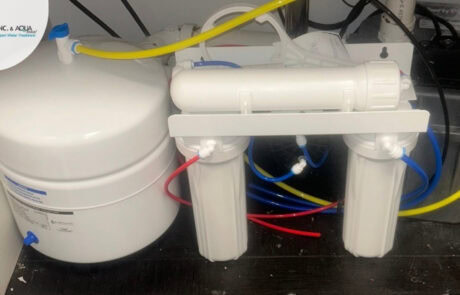
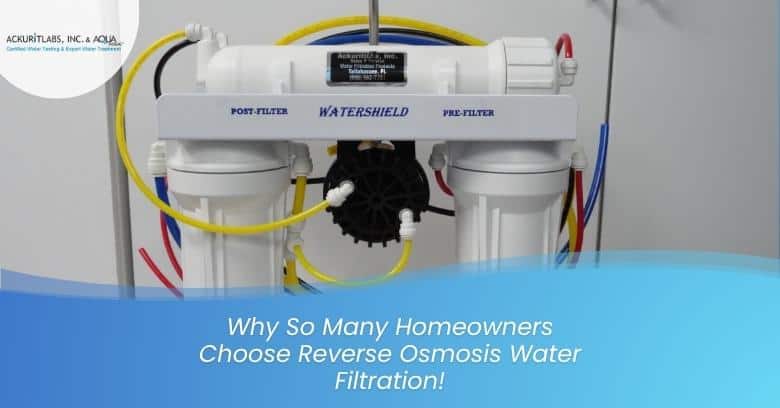
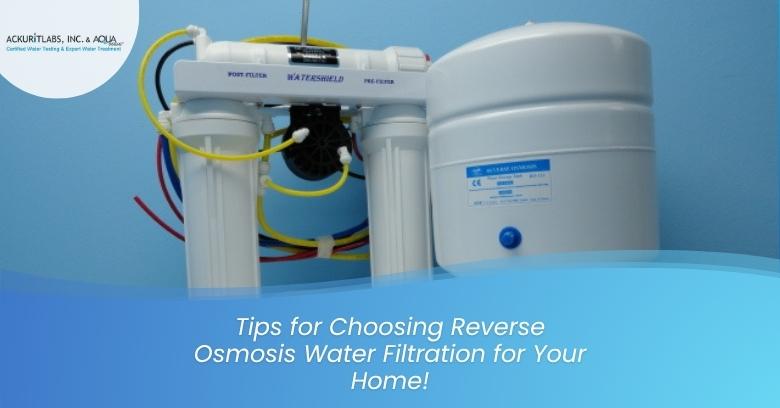
- Reverse Osmosis Systems: Reverse osmosis or RO systems filter out a wide range of impurities, including lead, chlorine, nitrates, and some bacteria. They are often installed at kitchen sinks to provide purified drinking and cooking water. RO systems are a perfect complement to water softeners, especially for families seeking the highest water purity.
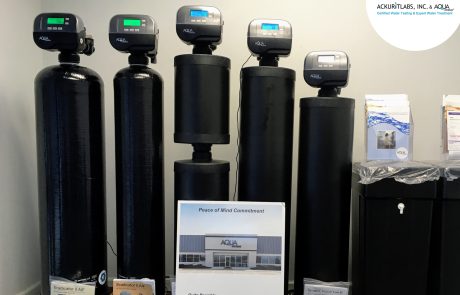
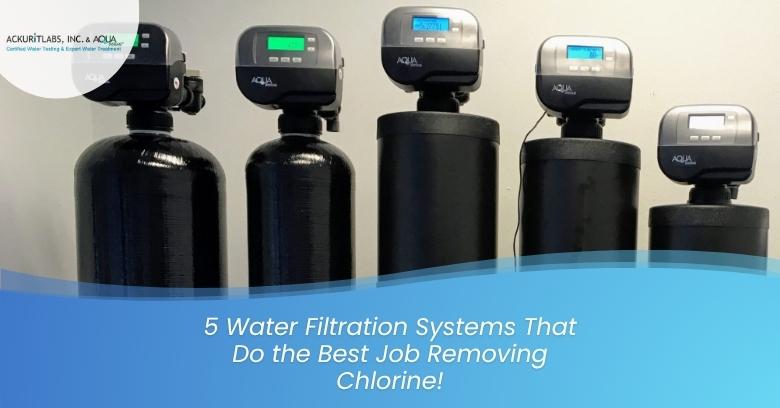
- Carbon Filtration: Activated carbon filters remove unpleasant tastes and odors by filtering out chlorine, pesticides, and some organic chemicals. These filters are useful if your water has a musty or chemical taste, which can occur at certain times of the year.
- Iron and Sulfur Filters: In areas where iron or sulfur are present, specialized filters can address staining and unpleasant odors. These are sometimes combined with softeners in homes with multiple water quality issues.
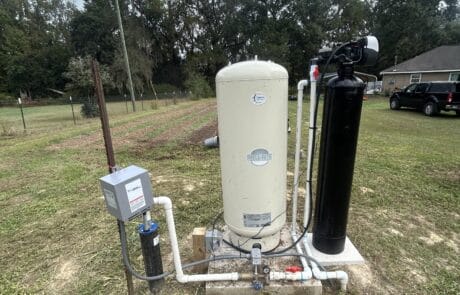
- Whole-Home Filtration Systems: For all-around protection, whole-home filtration systems can be paired with water softeners to address a wider spectrum of water quality challenges. These systems are particularly popular in regions like Tallahassee and Crawfordville, where groundwater can have a diverse mineral profile.
Factors to Consider When Choosing a System
Selecting the right water treatment system for your Tallahassee or Crawfordville home comes down to a few key factors:
- Water Hardness and Quality: Have your water tested to determine the minerals and contaminants present.
- Health Requirements: Consider any dietary or health concerns, especially regarding sodium intake.
- System Size and Capacity: Choose a system that matches your household's water usage.
- Maintenance Requirements: Know what is required to keep your system running smoothly.
- Local Regulations: Check for any restrictions or local codes regarding water treatment system installation.
- Budget: Consider both upfront costs and long-term maintenance expenses.
By balancing these factors, you can select a solution that offers clean, safe, and great-tasting water for years to come.
Conclusion
Navigating the world of water treatment can seem overwhelming, especially with the unique challenges faced by residents in Tallahassee and Crawfordville, Florida. Yet understanding your water's composition and the available solutions from traditional water softeners to advanced filtration empowers you to make the right choice for your property and your family.
Water softeners remain a proven solution for tackling the pervasive hard water in North Florida, offering clear-cut benefits for your plumbing, appliances, and daily comfort. When paired with professional water softening service and if necessary, other filtration technologies, you can address even the most stubborn water quality issues.
Remember, the journey starts with a comprehensive water test and a clear understanding of your needs. Partner with reliable local experts who can guide you through selection, installation, and maintenance. With the right system in place, you will enjoy all the advantages of softer, cleaner water and protect your investment for the future.
Ready to take the next step? Contact your local water softening service provider in Tallahassee or Crawfordville for a water test and personalized recommendations. Your appliances, plumbing, and family will thank you!
Key Takeaways
- Understand Your Water: Start with a professional water test in Tallahassee or Crawfordville to identify specific minerals and contaminants in your supply. This assessment is crucial for selecting the most effective treatment system, whether it is a softener, a filter, or a combination of solutions.
- Water Softeners Combat Hardness: If you notice scale buildup, soap inefficiency, or frequent appliance breakdowns, a water softener is likely your best bet. These systems are specially designed to remove calcium and magnesium, the minerals responsible for hard water in much of North Florida.
- Professional Service Matters: Rely on experienced water softening service providers for custom system recommendations, installation, and ongoing maintenance. Their expertise ensures your system is right-sized and operating efficiently, saving you headaches and money over time.
- Consider Complementary Filtration: Sometimes, softened water is not enough. If your water tastes off, smells bad, or contains iron, sulfur, or other contaminants, consider reverse osmosis, carbon filters, or specialized iron or sulfur-removal systems to address multiple issues.
- Maintenance is Key: Even the best systems require regular attention including salt refills, filter changes, and occasional sanitizing. Proper ongoing care provides optimal performance and extends the serviceable life of your equipment.
- Check Local Codes: Before installation, make sure your chosen system is permitted in your area and complies with municipal or environmental regulations, especially those governing waste discharge.
- Budget Accordingly: Think beyond the initial purchase price. Factor in long-term costs like maintenance, filter replacements, and professional service plans.
- System Size Matters: Your water treatment system should match your household's demand. Undersized systems may not provide adequate treatment, while oversized units can be inefficient and costly.
- All-in-One Solutions: Many providers offer combination systems that soften and filter water simultaneously, saving space and reducing maintenance.
- Local Expertise Is Crucial: Work with water treatment professionals familiar with the unique challenges of Tallahassee and Crawfordville. Local knowledge means your solution is tailored to your region's water profile.
FAQs
1. What is a water softener and how does it work?
A water softener is a device that removes hardness minerals, mainly calcium and magnesium, from your water supply using ion exchange. This process replaces the hardness minerals with sodium or potassium, resulting in softer water that protects plumbing and appliances from scale buildup.
2. How do I know if I need a water softener in Tallahassee or Crawfordville Florida?
Common signs include spots on glassware, scale buildup on faucets and appliances, reduced soap lather, and frequent appliance repairs. Water testing by a professional water softening service confirms if your water is hard and if a softener is the right solution.
3. What are the benefits of professional water softening service?
Expert service providers offer water testing, system sizing, professional installation, routine maintenance, and prompt repairs. This allows your water softener to operate efficiently and is suited to your specific water conditions in Tallahassee or Crawfordville.
4. Do water softeners remove all contaminants from water?
No, water softeners are designed to remove hardness minerals but not contaminants like chlorine, lead, or bacteria. For broader filtration needs, consider additional systems such as reverse osmosis or activated carbon filters.
5. Will a water softener increase the sodium level in my drinking water?
While water softeners do add a small amount of sodium, it is typically minimal, much less than what is found in common foods. For those on strict sodium diets, potassium-based systems or a separate drinking water filter may be preferable.
6. What maintenance does a water softener require?
Routine tasks include refilling salt or potassium, cleaning the brine tank, checking system settings, and scheduling periodic professional service so that everything continues to run smoothly.
7. Are water softeners environmentally friendly?
While effective, traditional softeners use salt and release brine during regeneration, which can impact local water systems. Always check Tallahassee or Crawfordville's local regulations and explore alternative softening solutions if needed.
8. Can I install a water softener myself?
While DIY installation is possible for some, professional installation is recommended. Experts will see that the system is configured for your home's plumbing and water conditions, helping you avoid costly mistakes.
9. What other water treatment options are popular in Florida?
Besides water softeners, reverse osmosis and carbon filtration systems are popular choices for households seeking to remove additional contaminants such as chlorine, iron, sulfur, and organic matter from their water.
10. How do I choose the right system for my home in Crawfordville or Tallahassee?
Start with a professional water test, then work with a local water softening service to assess your needs, budget, and water usage. They will recommend the best solution, whether it is a softener, a filtration system, or a combination tailored for life in North Florida.