Water quality is a topic that affects every household, especially in regions where hard water is prevalent. For homeowners in Tallahassee Florida and neighboring Crawfordville, the need for reliable water softeners is evident. Hard water, characterized by high concentrations of calcium and magnesium, can cause a host of issues from reducing appliance efficiency to leaving unsightly spots on dishes and plumbing fixtures. Over time, these minerals can also clog pipes, shorten the serviceable life of the heater, and cause scale buildup that's tough to manage.
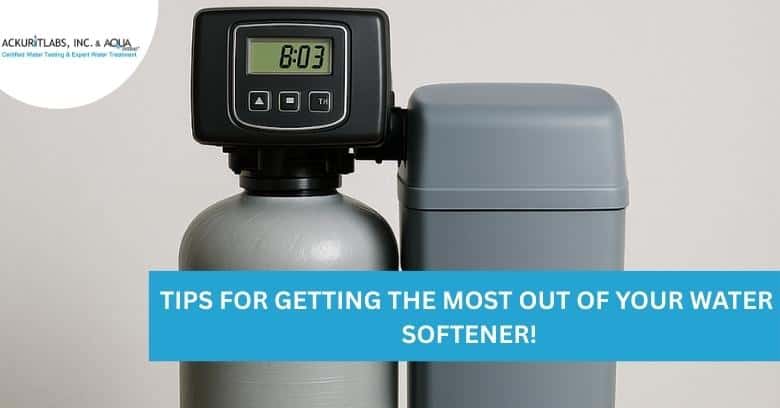
Enter the water softener - a game-changing device that tackles these problems head-on. Water softeners remove minerals that cause hardness, delivering fresher, cleaner, and more manageable water for everyday tasks, but buying and installing a water softener is just one part of the journey. To truly maximize the benefits of this appliance, it is important to understand how it works, what maintenance is required, and how best to tailor its use and maintenance to local water conditions in places like Tallahassee and Crawfordville.
In this comprehensive article, we will explore practical tips for getting the most out of your water softener, from the initial water softener installation process to daily operation and long-term care. Whether you have just installed a new system or have had one in place for years, you will discover actionable advice to keep your equipment running smoothly, extend its serviceable life, and provide consistent water quality for your home and family.
We will also delve into the specific challenges and factors unique to North Florida, including regional water hardness levels and the impact of the local water supply. Plus, you will learn how proper installation plays a key role in your water softener's overall effectiveness, along with troubleshooting tips for common issues. By the end of this guide, you will be fully equipped to optimize your water softener usage, save on household costs, and enjoy the comfort of high-quality water every day.
Understanding Water Softeners: The Basics
A water softener works by exchanging hardness ions, mainly calcium and magnesium, for sodium or potassium ions, significantly improving water quality for home use. This process, known as ion exchange, is at the heart of nearly every residential water softener installation in Tallahassee Florida and throughout neighboring Crawfordville.
Water that contains high levels of minerals can lead to:
- Scale buildup in plumbing and appliances
- Increased soap consumption
- Dull or faded laundry
- Spotty dishes and glassware
- Reduced the efficiency and serviceable life of water heaters
By softening water, your system ensures cleaner dishes, softer laundry, and more efficient appliances; however, regular attention and proper water softener installation are crucial for optimal performance and durability.
Maximizing Water Softener Performance and Longevity
1. Choosing the Right Water Softener for North Florida Homes
Not all water softeners are created equal. When selecting the right unit for your Tallahassee or Crawfordville property, consider:
- Water Hardness Levels: Conduct a water test to determine the exact hardness of your household supply.
- Capacity: Tailor your system size based on daily water usage and the number of occupants.
- Regeneration Method: Choose between timer-based or on-demand or metered ;regeneration to optimize salt and water use.
- Bypass Valve: Have easy maintenance by including a bypass valve during water softener installation.
- Certified Installers: In locations such as Tallahassee, professional water softener installation helps you avoid leaks and code violations while having optimal equipment placement.
2. Best Practices During Water Softener Installation
Whether you are a DIY enthusiast or hiring a professional for your Tallahassee or Crawfordville home, proper installation is a critical first step. The following tips can make all the difference:
- Placement: Situate your water softener near your water main's point of entry. This placement makes certain the treated water reaches all outlets except outdoor spigots where softened water is not necessary.
- Drain Access: The regeneration process requires a nearby, accessible drain for brine discharge.
- Accessibility: Leave ample space around the unit for adding salt, servicing components, and routine maintenance.
- Electrical Supply: Your system will typically need an electrical outlet within reach; avoid using extension cords.
- Pipe Compatibility: Your plumbing will connect seamlessly with the system by using the correct fittings for local water pressure and pipe material.
By taking these steps during water softener installation, Tallahassee and Crawfordville residents can prevent common headaches such as leaks, backflow issues, and inefficient operation.
3. Routine Maintenance: Keeping Your Water Softener in Peak Condition
A water softener is a long-term investment, and regular care helps it operate efficiently for years. Here are key maintenance tasks:
- Salt Monitoring: Regularly check brine tank salt levels and keep it at least half full at all times. Use high-quality salt for the best results.
- Resin Bed Cleaning: Over time, the resin beads inside your unit may accumulate iron and other contaminants. Use a resin bed cleaner annually, particularly if your water supply contains elevated iron levels.
- Brine Tank Cleaning: Empty and clean the brine tank once per year to prevent sludge or mold buildup.
- Inspect for Salt Bridges: If hard crusts form, break them up to allow salt to dissolve and regenerate the resin.
- Check Settings: Adjust hardness settings seasonally, especially if your local municipal water source changes or you notice a shift in water quality.
- Inspect for Leaks and Wear: During routine checks, look for pipe leaks, loose fittings, or corrosion.
Staying proactive about these simple tasks helps extend your softener's life so it provides consistent water quality for residents of Tallahassee and Crawfordville.
4. Optimizing Operation: Everyday Tips for Water Softener Users
To get the most out of your water softener every day, consider the following advice:
- Use the Proper Salt Type: Choose between solar, evaporated, or rock salt based on the manufacturer's recommendations and local water conditions.
- Regeneration Scheduling: If you have a timer-based system, set regeneration during off-peak hours to maximize efficiency and prevent water shortages.
- Household Water Usage: Spread out high-usage tasks, such as laundry or dishwashing, to avoid overwhelming the system.
- Monitor Water Taste: If you notice water tasting overly salty or metallic, inspect the softener settings and look for maintenance needs.
- Filter Installation: Pair your softener with a carbon or sediment filter if your local water contains debris, chlorine, or strong odors.
5. Addressing Common Water Softener Issues in North Florida
Even the best water softener can experience occasional hiccups. Here are some common issues for Tallahassee and Crawfordville homeowners and how to address them:
- Low Water Pressure: Often caused by clogged resin beds or filters. Cleaning or replacing these components typically restores pressure.
- Unusual Noises: Gurgling, banging, or hissing sounds may indicate air in the lines or mechanical issues; check for blockages and ensure proper installation.
- Hard Water After Softening: This might mean the resin bed needs regeneration, the salt is depleted, or there is a leak or bypass in the system.
Staying alert to these possible concerns lets you fix minor problems before they become major headaches.
6. The Impact of Water Softeners on Appliances and Plumbing
A properly functioning water softener dramatically increases the serviceable life of your household appliances and plumbing system. Appliances like dishwashers, water heaters, and washing machines run more efficiently and last longer without scale buildup. Pipes stay clear, reducing the chance of clogs and backups.
For residents of Tallahassee where water can often be moderately to highly hard, investing in a water softener is a wise move that pays both immediate and long-term dividends. Households in Crawfordville benefit similarly, often noticing a difference in water taste, appliance longevity, and easier cleaning.
7. Water Softener Installation: Local Considerations for Tallahassee and Crawfordville
Local water conditions and climate can affect both the installation and ongoing care of your softener. Here are some region-specific tips:
- High Humidity: North Florida's climate can cause condensation on tanks; make sure your unit is in a well-ventilated area or install insulation to prevent moisture buildup.
- Well Water Concerns: If your home uses well water, periodic testing is crucial. Additional pre-filters or iron removers may be necessary, especially if the water contains high iron or manganese.
- Regulatory Codes: Always check with Tallahassee or Crawfordville authorities for local codes and permitting requirements to ensure a compliant water softener installation.
8. Maximizing the Lifespan of Your Water Softener
The typical residential water softener lasts 10 to 15 years, but you can stretch this timeline even further by following these practices:
- Schedule Annual Inspections: Have your system professionally checked at least once per year.
- Flush System Periodically: Even with routine regeneration, manual flushing can clear residual buildup.
- Upgrade Components As Needed: Hoses, valves, and resin beds may need to be replaced before the unit itself does.
Following these guidelines helps minimize downtime and enhances your return on investment.
Conclusion
Water softeners are essential for ensuring high-quality water in households across Tallahassee and Crawfordville Florida. From initial water softener installation to ongoing maintenance, every step matters in optimizing performance and reaping the full range of benefits. Proper care translates to longer-lasting appliances, improved cleaning results, and a better overall living environment.
By embracing the tips outlined in this article, you can take control of your water quality, reduce household maintenance, and save money on energy and repairs in the long run. Whether you are new to water softeners or a seasoned owner seeking to fine-tune your system, these best practices will set you up for success.
Do not wait until hard water wreaks havoc on your plumbing or appliances - take charge today! Regularly monitor, maintain, and optimize your water softener, and enjoy the peace of mind that comes with consistently soft, clean water flowing through your home.
Ready to get started? If you are considering a new installation or need expert advice on your current system, consult a professional in Tallahassee or Crawfordville and be on the path to water softener success!
Key Takeaways
- Test Your Water Before Installation: Always begin with a comprehensive water test. Knowing your exact hardness level helps determine the right water softener for your needs and enjoy efficient operation in Tallahassee and Crawfordville.
- Professional Installation Matters: Hiring a certified installer guarantees proper setup, compliance with local codes, and peace of mind regarding leaks and system efficiency.
- Monitor Salt Levels Regularly: Check your brine tank at least monthly and refill with high-quality salt as needed to maintain consistent softening performance.
- Clean and Maintain Components: Annual resin bed cleaning, brine tank flushing, and component inspections prevent buildup and mechanical failures, extending your softener's life.
- Adjust Settings for Seasonal Changes: Water hardness and household use can fluctuate, so tweak your settings as needed for optimal results.
- Regular Inspections Prevent Major Issues: Spotting leaks, salt bridges, or worn parts early can save money and prevent downtime.
- Pair With Pre-Filters as Needed: If your water contains sediment, iron, or organic material, install the appropriate filters to protect both your softener and your household.
- Optimize Regeneration Timing: Schedule regeneration cycles during periods of low water use to prevent shortages and maximize efficiency.
- Educate Household Members: Teach everyone in your home about water softener basics such as how to refill salt and what not to flush or pour down the drain.
- Keep Records of Maintenance and Service: Tracking service dates, inspections, and repairs helps you stay ahead of problems and manage warranty requirements, providing extra security for residents in Tallahassee and Crawfordville.
FAQs
1. What is a water softener and why do I need one in Tallahassee Florida?
A water softener is a device that removes calcium and magnesium ions from hard water, making it soft. In Tallahassee, hard water is common, leading to scale buildup and shorter appliance lifespans, making a water softener an essential home investment.
2. How does water softener installation differ in Tallahassee compared to other regions?
Installation in Tallahassee and Crawfordville must account for local water hardness and comply with regional codes. High humidity and potential well water use may require special attention to drainage and additional filtration.
3. How often should I refill the salt in my water softener?
Check your brine tank monthly and keep it at least half full with high-quality salt for consistent water-softening performance.
4. What maintenance does my water softener require in North Florida?
Routine maintenance includes checking salt levels, cleaning the resin bed yearly, inspecting for leaks, and cleaning the brine tank to prevent buildup, all of which are crucial for residents in humid climates like Tallahassee and Crawfordville.
5. Can I install a water softener myself, or should I hire a professional?
While handy homeowners can handle installation, hiring a professional means the setup is code-compliant and leak-free, especially in regions with unique requirements such as Tallahassee Florida.
6. Why is my water still hard after installing a water softener?
Possible reasons include depleted salt, resin bed issues, system bypass, or incorrect settings. Regular checks and maintenance help quickly identify and resolve these problems.
7. Is a water softener suitable for well water in Crawfordville Florida?
Yes, but you may need additional filters to remove iron, manganese, or sediment, which are often found in local well water; periodic testing and system adjustments are recommended.
8. Will softened water affect my plumbing and appliances?
Absolutely! Softened water prevents scale buildup, helping extend the life and efficiency of plumbing and appliances throughout your home.
9. How long does a typical water softener system last?
A well-maintained unit can last 10 to 15 years or longer. Regular upkeep, inspections, and timely repairs are essential to maximizing longevity.
10. Do water softeners increase sodium in drinking water?
Yes, but generally at very low, safe levels. If sodium intake is a concern, consider using potassium-based softeners or installing a separate drinking water filter in your Tallahassee or Crawfordville home.