Water softeners are household heroes that quietly ensure the water flowing from your taps is gentle on your skin, appliances, and pipes. Imagine living in Tallahassee Florida, a city known for its lush trees, historic charm, and yes, notoriously hard water. If you have ever noticed lime scale buildup around your faucets or felt your shampoo refusing to lather, you might already suspect the culprit. Hard water, filled with minerals like calcium and magnesium, is not just an inconvenience; it can gradually wreak havoc on your plumbing and leave appliances underperforming.
That is where water softeners come in, transforming mineral-laden water into soft, user-friendly water. While these systems can seem complex, understanding how your water softener operates is crucial for maximizing efficiency, minimizing maintenance headaches, and ensuring your investment delivers clean, softened water for years. Whether you rely on a professional water softening service or love rolling up your sleeves for a bit of DIY, knowing the basics can save you time and money.
In Tallahassee Florida and neighboring Crawfordville, homeowners and property managers are noticing the tangible benefits of water softeners with everything from softer laundry and reduced soap scum to longer-lasting appliances. But picking the right system or service is not enough. Familiarity with operation, troubleshooting, and maintenance means you are not left in the lurch if the system hiccups or the water turns unexpectedly hard.
This guide is crafted for everyone: new homeowners staring at a shiny new system, longtime Tallahassee residents accustomed to high mineral content, and busy property managers seeking the best water softening service in the region. We will walk through the basics, demystify water softener mechanisms, share maintenance tips, and explain how trusted professionals can help, especially in the unique conditions of North Florida.
Learning about your water softener need not be overwhelming. In fact, a little know-how goes a long way toward hassle-free, consistently softened water, delivering cost savings, home comfort, and peace of mind. Ready to take the plunge? Let's unravel how your water softener works, what routine upkeep looks like, and why strong partnerships with local water softening services in Tallahassee and Crawfordville Florida put you one step ahead.
How Do Water Softeners Work? Understanding the Basics
Water softeners are ingenious devices that resolve one of the most persistent household water woes: hardness. At their core, water softeners operate through a scientific process called ion exchange. To appreciate your system fully, let's walk through the basic steps:
1. The Journey of Hard Water
When water enters your home, it often brings dissolved minerals from the ground. In places like Tallahassee and Crawfordville, high concentrations of calcium and magnesium are common. These minerals make water hard, causing buildup in pipes, stains on fixtures, and inefficiency in soap and detergents.
2. The Resin Tank's Role
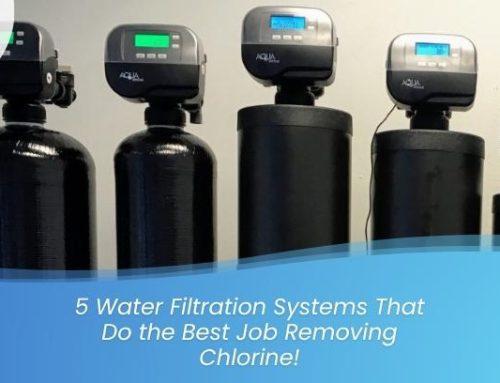
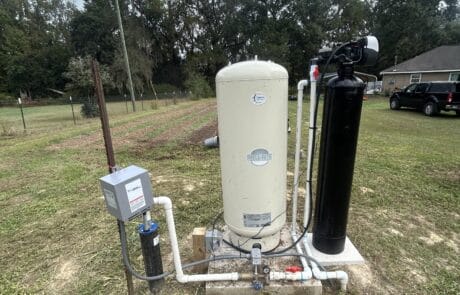
Your water softener features a resin tank packed with tiny beads that effectively carry a negative charge. These beads are loaded with sodium or potassium ions. As hard water flows through the tank, the hard minerals with positive charges are attracted to the beads and exchanged for sodium ions - this is ion exchange in action.
3. Soft Water Emerges
Once the resin beads capture the calcium and magnesium, the softened water flows out, free of the minerals that cause scaling and other problems.
4. Regeneration: The Cycle That Never Stops
Eventually, the resin beads become saturated with hard minerals and cannot soften any more water. The system automatically flushes the beads with a brine solution from a separate salt tank, removing calcium and magnesium and reloading the beads with sodium. The waste is flushed away and the softener is ready to work again.
5. Control Valves and Timers
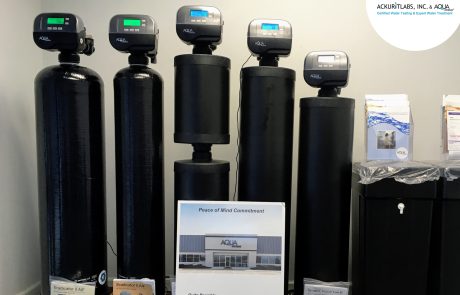
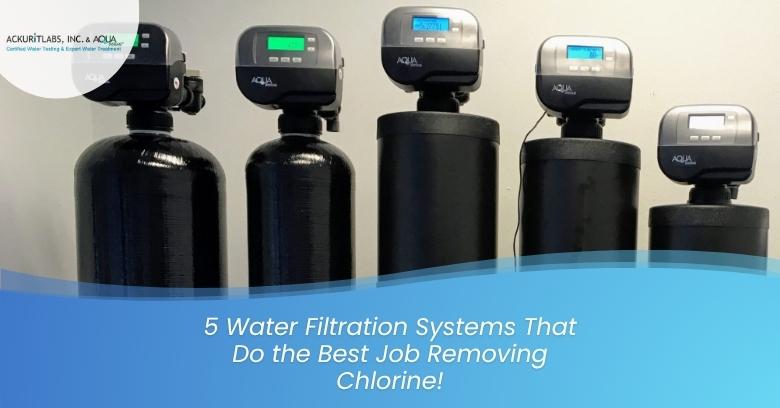
Most modern systems feature control valves and digital timers that automate the regeneration cycle. Some are meter-based, regenerating based on water usage, while others use a timed schedule. Advanced systems used by water-softening services in Tallahassee and Crawfordville enable remote monitoring, predictive maintenance alerts, and efficiency optimization.
Why Are Water Softeners Important in Tallahassee and Crawfordville Florida?
Understanding the regional context is vital. In Tallahassee and Crawfordville, untreated hard water is more than a nuisance; it is a persistent problem with tangible costs. Here is why a water softener is a critical investment in this area:
- Regional Water Hardness: The geology of North Florida means groundwater passes through limestone-rich formations, picking up significant mineral content. As a result, water hardness levels here often exceed national averages.
- Appliance Longevity: Hard water shortens the serviceable life of washing machines, dishwashers, and water heaters. The minerals form deposits that force appliances to work harder, use more energy, or fail prematurely.
- Plumbing Protection: Without a water softening service, pipes sustain ongoing damage from scale buildup, leading to restricted flow or even costly leaks and repairs.
- Home Comfort and Aesthetics: Hard water leaves skin dry, hair dull, and laundry looking dingy. Bathrooms and kitchens show persistent soap scum and scale stains.
By installing and learning about your water softener, you actively protect your home's infrastructure and your family's comfort.
A Step-By-Step Guide to Understanding Your Water Softener
Learning about your water softener does not require a degree in engineering, just a bit of curiosity. Here is a practical walkthrough:
1. Identify Your Model and Manual
Start with the basics. Locate your unit's brand and model number, then find the accompanying manual that is usually available online if you have misplaced the original. This is your reference for specifications, required settings, and troubleshooting guides.
2. Trace the Plumbing Path
Observe where the main water supply enters your home and connects to the water softener. Note the bypass valve, a handy feature that lets you divert water around the system during maintenance or emergencies.
3. Inspect the Salt or Brine Tank
Lift the lid: you should see either salt pellets or crystals for sodium-based systems, or potassium pellets if you prefer a lower sodium option. The brine tank is critical for the regeneration process. Maintain a recommended salt level typically covering at least half the tank's height and clear any salt bridges or mushing that can interfere with operation.
4. Check the Control Settings
Familiarize yourself with the digital or analog control panel. Most water softeners let you set hardness levels, regeneration time, and other key preferences. If you use a water softening service, technicians typically calibrate these for you.
5. Observe the Regeneration Cycle
If possible, watch a regeneration cycle. Listen for the telltale sound of water flushing through the drain. If you notice errors or repeated cycles, it might indicate a stuck valve, low salt, or other issues.
6. Regular Maintenance Routine
- Refill Salt: Check and top off monthly.
- Clean the Tank: Annually empty and clean the brine tank to prevent crusty buildup.
- Inspect the Bypass Valve: Make certain it is functioning and is not leaking.
- Test Water Hardness: Occasionally, use a home test kit or request from your water softening service so that the system is performing optimally.
7. Partner with a Local Water Softening Service
A trusted, local water softening service in Tallahassee or Crawfordville offers professional installation, routine upkeep, emergency repairs, and valuable expertise for system upgrades so that your softener is always in peak condition.
Common Water Softener Issues and Troubleshooting Tips
Even the best systems occasionally have hiccups. Knowing how to spot and address common issues saves you time, frustration, and service call fees:
- Salt Bridges: Salt can form a hard crust or bridge in the brine tank, preventing proper dissolution and regeneration. Break the bridge gently with a broom handle and clear out clumps.
- Dirty Resin Beads: Over time, resin beads may get fouled by iron or sediment. Periodic cleaning with a resin cleaner keeps them working efficiently.
- Low Water Pressure: A clogged resin bed or a malfunctioning control valve can reduce water pressure. Flushing the resin or having a tech service the valve often resolves the issue.
- Continuous Regeneration: If the system regenerates constantly, check for stuck valves, misprogrammed timers, or error codes. Reset the controls or consult your local water softening service for assistance.
- Salty-Tasting Water: This suggests incomplete rinsing during regeneration. Try reducing the salt dose and increasing rinse times - or call in a professional if the problem persists.
Advantages of Professional Water Softening Services in Tallahassee and Crawfordville
While hands-on homeowners can manage routine tasks, there are significant benefits to relying on a professional water softening service:
- Expertise: Professionals understand the unique water chemistry of North Florida and customize systems accordingly.
- Comprehensive Maintenance: Scheduled maintenance stops problems before they start. Technicians inspect every component, test water hardness, and update settings as needed.
- Upgrades and Innovations: Top water softening services in Tallahassee and Crawfordville can recommend state-of-the-art systems with smart features, water-saving technology, and eco-friendly options.
- Peace of Mind: Fast, reliable support means you are never left without soft water or facing costly repairs alone.
How to Select the Right Water Softener and Service
The right match depends on your home's size, water usage, and specific needs:
- Grain Capacity: Confirm that the unit can handle your family's daily water consumption.
- Efficiency: Look for models with low salt and water usage per regeneration cycle.
- Smart Features: Consider systems with mobile apps and leak alerts.
- Warranty and Support: Prioritize companies that provide resilient warranties and responsive service.
Consulting with a trusted water softening service means you get tailored recommendations, professional installation, and ongoing support suited to homes in Tallahassee and Crawfordville.
Conclusion
Mastering how your water softener operates is about more than just avoiding annoying limescale or dry skin. It is a step toward protecting your home's plumbing, reducing energy costs, and enjoying a higher standard of living. In hard-water-prone places like Tallahassee and Crawfordville Florida, this knowledge is especially valuable.
By learning the basics such as how ion exchange works, proper salt management, and when to schedule professional maintenance, you can maximize your water softener's serviceable life and performance. Plus, partnering with a reliable water softening service means your system remains in optimal condition, preventing surprises and future-proofing your investment.
Do not wait for hard water headaches to strike. Take proactive steps today: review your system, set up routine checks, and connect with a trusted local expert. Whether you prefer hands-on upkeep or professional assistance, learning how your water softener operates pays dividends in comfort, efficiency, and peace of mind.
If you are ready to enjoy fresher laundry, shinier dishes, and longer-lasting appliances, make water softening a priority. Because in Tallahassee, Crawfordville, and throughout North Florida, soft water is more than a luxury: it is essential!
Key Takeaways
- Understand How Ion Exchange Works: The core of your water softener is the ion exchange process, which swaps hard minerals for sodium or potassium, effectively softening your water. Knowing this helps you troubleshoot and optimize your system's operation.
- Regular Salt Maintenance Is Essential: Keep the brine tank filled and free of clumps or bridges. Inspect salt levels monthly to have continuous soft water and prevent regeneration issues.
- Monitor and Adjust Controls: Familiarize yourself with your system's control panel and set it appropriately for your water hardness and household size. Modern systems can be fine-tuned for optimal performance and efficiency.
- Routine Cleaning Preserves Efficiency: Clean the brine tank yearly and inspect the resin beads if you notice a drop in water quality. Preventive cleaning keeps buildup at bay and extends your system's serviceable life.
- Troubleshoot Common Problems: Recognize early signs of trouble such as salty water, low pressure, or frequent regeneration and address them with simple maintenance or by consulting a professional water softening service.
- Choose a System Suited to Local Water: Water hardness varies across neighborhoods in Tallahassee and Crawfordville. Select a water softener with the right capacity and features for your local water conditions.
- Leverage Professional Expertise: Partnering with a reliable local water softening service brings peace of mind, tailored recommendations, and rapid emergency response, critical in mineral-rich regions.
- Schedule Regular Service Visits: Professional technicians can detect problems you might miss, maintain optimal system function, and suggest upgrades or adjustments as needed.
- Track Water Quality: Use home test kits or professional services periodically to confirm that your water softener is delivering the desired soft water quality.
- Educate Others in the Household: Family members or property managers shoule be familiar with basic settings and maintenance routines, so the property operates consistently even when you are away.
FAQs
1. What is a water softener and how does it benefit homes in Tallahassee Florida?
A water softener is a device that removes hard minerals from water, significantly improving taste, cleaning ability, and protecting your plumbing and appliances. In Tallahassee, where hard water is prevalent, installing a water softener reduces limescale buildup, appliance wear, and soap scum.
2. How often should I add salt to my water softener?
Generally, check your salt levels once a month. Depending on water usage and hardness, you may need to refill the brine tank every 4 to 6 weeks for optimal performance.
3. Can I install a water softener myself or should I hire a water softening service?
While some homeowners manage DIY installations, partnering with a professional water softening service in Tallahassee or Crawfordville provides proper sizing, installation, and long-term support.
4. What signs indicate my water softener is not working correctly?
Common signs include hard water stains, reduced soap lather, salty-tasting water, or frequent regeneration cycles. If you notice these, inspect your system or call a local water softening service.
5. How do I clean the brine tank?
Turn off the system, empty the tank, scrub with soapy water, rinse, and refill with fresh salt. A yearly cleaning maintains efficiency and prevents blockages.
6. What makes water softeners essential in Crawfordville Florida?
Crawfordville's groundwater typically contains high levels of calcium and magnesium, making softeners crucial for maintaining appliance longevity, clean fixtures, and comfortable bathing.
7. How long does a water softener typically last?
With regular maintenance, a quality water softener lasts 10 to 15 years. Using a professional water softening service can extend the system's serviceable life and keep it running efficiently.
8. Is softened water safe to drink?
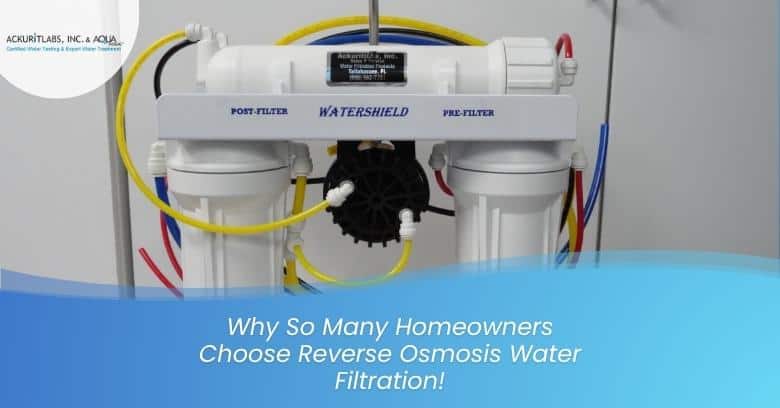
Yes, softened water is generally safe to drink. Those on sodium-restricted diets may prefer systems that use potassium or a reverse osmosis filter for drinking water.
9. Can water softeners help with skin and hair problems?
Absolutely. Softened water provides a gentler washing experience, reducing dryness, improving soap effectiveness, and leaving skin and hair feeling smoother.
10. Who offers trusted water softening service in my area?
For residents of Tallahassee and Crawfordville, seek local providers with positive reviews, licensed technicians, and a track record of excellent customer service for water softeners and related needs.