Chlorine keeps public water supplies safe from bacteria and waterborne disease, but the same chemical that protects municipal water on its journey to your home can leave a lasting mark on the water that comes out of your tap. Homeowners in Tallahassee Florida and nearby Quincy often describe the same complaints: a swimming-pool smell when they run a hot shower, a flat chemical taste in drinking water, and dry skin or faded laundry that seems to get worse over time. These are not just cosmetic annoyances. Chlorine byproducts, when left unaddressed without appropriate water filtration to remove them, can affect plumbing fixtures, water heaters, and even the taste of food and beverages prepared with tap water.
The good news is that chlorine is one of the easiest contaminants to remove once you know which water filtration technology targets it. Not every pitcher filter or under-sink cartridge is built for the job, especially in Tallahassee and Quincy Florida and choosing the wrong system means paying for equipment that barely makes a dent. This article walks through five water filtration systems that consistently perform well against chlorine and chloramine, explains how each one works, and offers guidance on matching a system to your household's specific water conditions, whether you are on a municipal line or a private well in the surrounding region.
Why Chlorine Removal Matters for Local Homeowners
Municipal water treatment plants add chlorine or chloramine to disinfect water before it reaches homes and businesses. That is a necessary public health measure, but it comes with trade-offs. Chlorine reacts with organic material in pipes and plumbing to form byproducts and it can also strip away the natural minerals and taste characteristics that many people associate with clean water. For residents relying on municipal supply, a properly selected water filtration system is the most direct way to address the issue at the point of use.
The Local Water Picture
Water sources and treatment approaches vary by neighborhood and municipality, so the right water filtration system for a home in one part of the region might not suit another. Some households in Tallahassee Florida pull from a well and deal with iron and hardness rather than chlorine, while much of the surrounding municipal service area treats water with chlorine-based disinfection before distribution. Meanwhile, homes in Quincy may be on a different municipal system entirely, with its own disinfection schedule and mineral profile. This is precisely why a generic filter bought off a shelf often underperforms as it was not chosen based on an actual water test.
What Testing Reveals Before You Buy
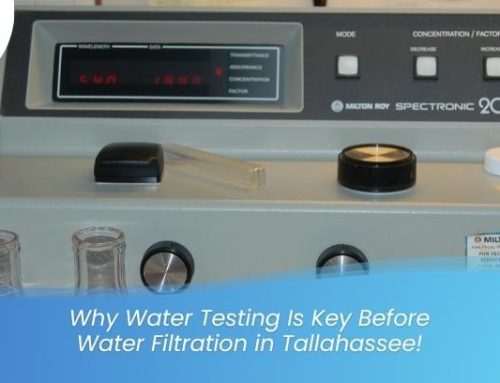
Before investing in any water filtration system, it helps to know exactly what is in the water. Professional water testing can provide a detailed analysis of hardness, chlorine, chloramine, minerals, contaminants, and other factors that may affect water quality. Rather than relying on a basic screening, a certified laboratory analysis can identify specific issues and provide reliable results to help determine the best treatment approach for your home. This confirms that you are addressing the underlying water-quality problem instead of simply masking its effects.
The Five Systems That Perform Best Against Chlorine
Each technology has strengths, limitations, and an ideal use case. Understanding the differences helps homeowners and building owners avoid overpaying for capability they do not need or underbuying for a problem larger than a small pitcher filter can handle.
- Activated carbon block filters. These are widely considered the gold standard for chlorine removal at the point of use. Carbon block filters have a dense, compressed structure that forces water through a large surface area of activated carbon, giving chlorine molecules more contact time to bind to the carbon and be removed. They handle both free chlorine and with the right carbon type or chloramine, making them a strong choice for kitchen and bathroom taps.
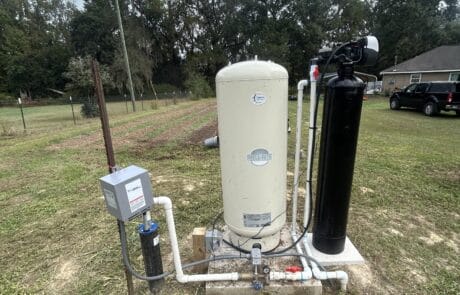
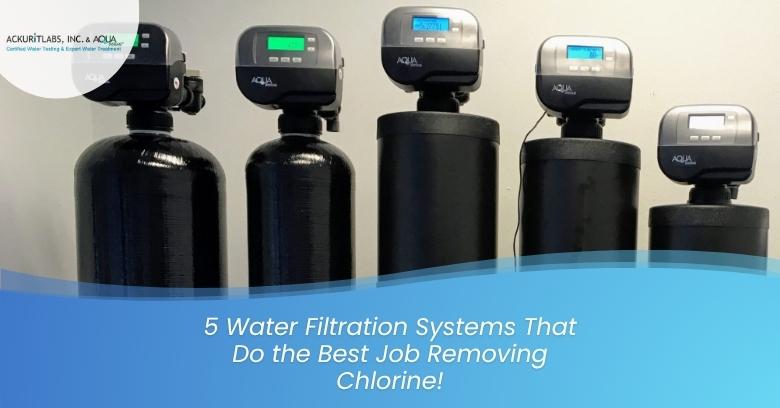
- Granular activated carbon or GAC whole-house filters. Rather than treating water at a single faucet, a whole-house GAC system treats every drop entering the home. This approach is especially useful for households that notice chlorine odor in showers and at the kitchen sink, since it addresses the water supply at the point it enters the building rather than at individual fixtures.
- Catalytic carbon systems. Standard carbon is effective against free chlorine, but chloramine which is a combination of chlorine and ammonia used by some municipal systems as a longer-lasting disinfectant requires a more specialized media. Catalytic carbon has higher catalytic activity, allowing it to break down chloramine more efficiently than standard granular or block carbon alone.
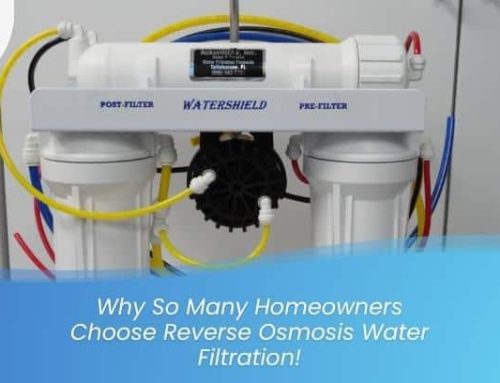
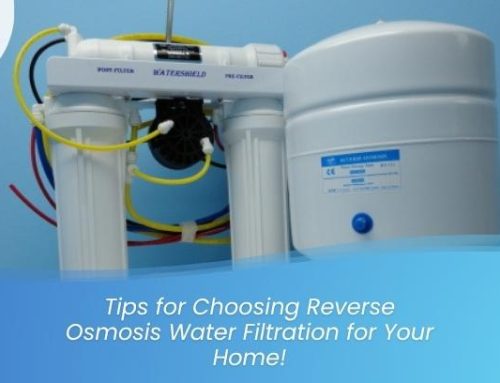
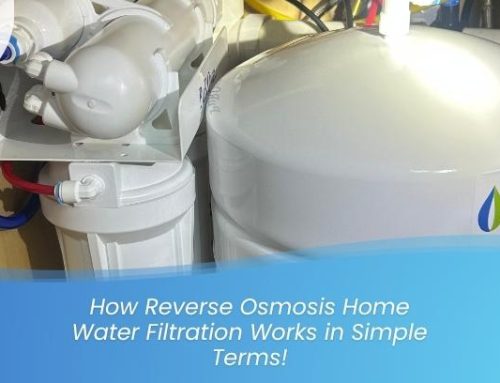
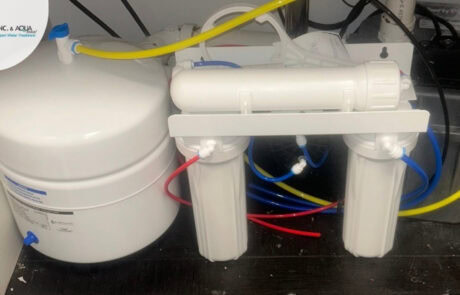
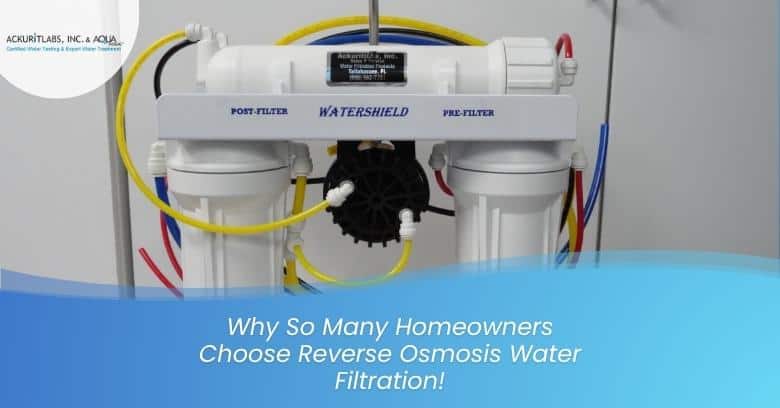
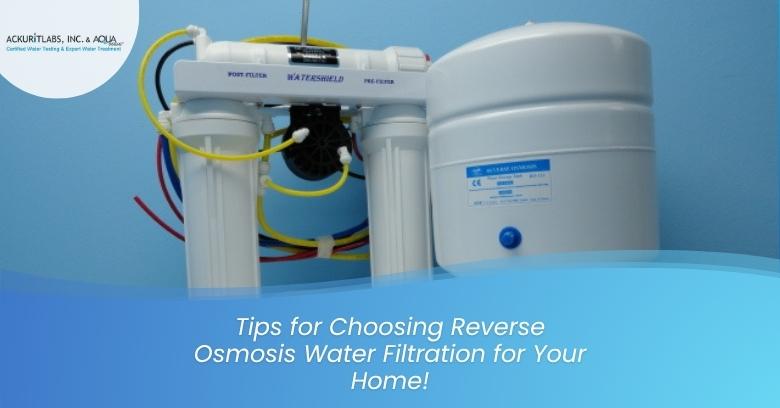
- Reverse osmosis systems with carbon pre-filtration. Reverse osmosis is often associated with removing dissolved solids and heavy metals, but most residential RO systems include one or more carbon pre-filter stages specifically to protect the RO membrane from chlorine damage. The result is a two-fold benefit: chlorine and chloramine are stripped out before the membrane stage and the membrane itself then removes a broad range of additional contaminants.
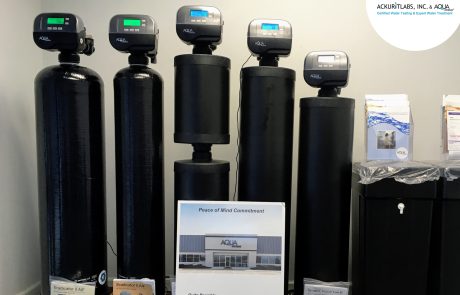
- Combination water softener and filtration systems. For homes dealing with both hardness and chlorine, a combination unit that pairs ion-exchange softening resin with a carbon filtration stage addresses both problems in a single footprint. This is a practical option for households that do not want to install and maintain two separate pieces of equipment and it is a configuration commonly recommended for properties with both municipal chlorine exposure and naturally hard groundwater.
Matching the System to the Household
Choosing among these options depends on a few practical factors:
- Household size and water usage. A single point-of-use carbon filter may suffice for a small household concerned mainly with drinking and cooking water, while larger families or multi-bathroom homes usually benefit more from whole-house water filtration.
- Chlorine versus chloramine. If the municipal supplier uses chloramine rather than free chlorine, catalytic carbon becomes far more important than standard carbon media.
- Existing hardness issues. Homes with scale buildup on fixtures should consider a combination softening and filtration approach rather than treating chlorine and hardness as separate, unrelated problems.
- Budget and maintenance tolerance. Whole-house systems and reverse osmosis units require periodic filter or membrane replacement, so ongoing maintenance costs should factor into the decision, not just the upfront price.
- Private well versus municipal supply. Well water rarely contains added chlorine, so a household drawing from a private well should confirm through testing whether chlorine removal is even the correct priority before selecting equipment.
Why Professional Testing Changes the Equation
It is easy to rely on smell or taste alone when trying to identify water quality issues, but chlorine byproducts and chloramine can present differently in each household. This is where a lab-backed approach is crucial. A state-certified environmental laboratory, staffed by experienced chemists and microbiologists, brings decades of expertise in environmental chemical and biological analysis. This scientific foundation matters because it sees to it that recommendations for a water filtration system are based on documented lab results tailored to the specific water sample provided, not guesswork.
From Diagnosis to a Working Solution
Many companies provide testing results and present customers with reports filled with numbers but offer little practical advice. Some services pair testing with actionable treatment recommendations so that customers not only understand what is in their water but also how to address any issues. For example, a homeowner in Tallahassee dealing with a chlorine-like smell after a hot shower might need a whole-house catalytic carbon system. Meanwhile, a property owner in Quincy facing complaints about a chlorine taste in a rental unit may benefit from a simpler under-sink carbon block solution with regular monitoring.
Certification Backs Up the Recommendation
When you are trying to understand your water's contents and decide next steps, credibility matters. A reliable laboratory should be certified by the National Environmental Laboratory Accreditation Program or NELAP and hold appropriate state health department certifications. Additionally, Better Business Bureau or BBB accreditation and a strong history of technical expertise in environmental testing such as over thirty years sees t hat recommendations for water filtration systems are based on established, verifiable standards rather than sales tactics.
Practical Steps for Homeowners and Building Owners
Building owners managing multiple units or a commercial property face a slightly different calculus than a single-family homeowner, but the underlying process is the same.
- Start with a water test. Bring a sample in for a free in-store hardness test or request a full lab analysis if you suspect chlorine byproducts, bacteria, or other contaminants.
- Review the results with a professional. Numbers on a report mean little without context. A conversation with someone who understands both the chemistry and the available water filtration system options is far more useful than a generic printout.
- Match the treatment to the building type. A commercial property with high water throughput needs a different capacity than a single residential unit, even if the underlying chlorine issue is identical.
- Plan for maintenance from day one. Every filtration technology, from a simple carbon cartridge to a full reverse osmosis setup, has a service schedule. Building that into the decision upfront avoids performance drop-off later.
- Stay informed. Water quality is not static; municipal treatment methods change, and seasonal shifts can affect a private well. Subscribing to a monthly water-quality newsletter is a low-effort way to stay ahead of changes that might affect a home's water filtration system.
A Note on Commercial Properties
Commercial building owners often overlook water filtration until tenants start complaining, but chlorine and chloramine can affect more than taste and odor in a commercial setting. Ice machines, coffee equipment, and laundry facilities are all sensitive to chlorine levels and untreated water can significantly shorten the serviceable life of this equipment. A whole-building water filtration system, sized correctly for commercial flow rates, is often a more cost-effective long-term investment than repeatedly servicing equipment damaged by untreated chlorine exposure.
Common Mistakes to Avoid
Even motivated homeowners make avoidable errors when selecting chlorine removal equipment. A few of the most frequent missteps include:
- Buying a basic pitcher filter and expecting whole-house results, when pitcher filters are only designed for small volumes of drinking water.
- Ignoring chloramine specifically, since standard carbon filters that work well on free chlorine may underperform against chloramine without a catalytic carbon upgrade.
- Skipping the testing step entirely and choosing equipment based on assumptions rather than actual water chemistry.
- Neglecting filter replacement schedules, which causes even a well-chosen system to lose effectiveness over time.
- Treating chlorine and hardness as unrelated issues when a combination system would solve both more efficiently.
Avoiding these mistakes usually comes down to one habit: testing first, then treating. It is a simple sequence, but it is the difference between a water filtration system that actually solves the problem and one that becomes an expensive shelf decoration.
Final Thoughts
Chlorine and chloramine are manageable problems once a household understands its specific water chemistry and chooses the right water filtration technology to match it. Activated carbon block filters, whole-house GAC systems, catalytic carbon, reverse osmosis with carbon pre-filtration, and combination softening units each solve the chlorine problem differently and the best choice depends on household size, water source, and whether hardness is also part of the picture.
Homeowners and building owners in Tallahassee and Quincy Florida do not need to guess; a water test paired with professional guidance on the best water filtration system to use turns a confusing shelf full of options into a straightforward recommendation. The smartest next step is simple: get the water tested, review the results with someone who understands the local water conditions, and select equipment sized to the actual problem rather than a generic assumption. Acting now prevents years of chlorine exposure to plumbing, appliances, and daily drinking water!
Key Takeaways
- Chlorine and chloramine are among the most common water quality complaints in municipal systems and both are treatable with the right filtration technology.
- Activated carbon block filters and catalytic carbon media are generally the most effective options for removing chlorine and chloramine at the point of use or whole-house level.
- Reverse osmosis systems typically include carbon pre-filtration specifically to protect the membrane and remove chlorine before further treatment stages.
- Households dealing with both hardness and chlorine often benefit from a combination softening and filtration system rather than two separate units.
- Testing water before buying equipment prevents wasted money on filters that do not match the actual contaminants present.
- Commercial building owners should size filtration equipment for actual flow rates to protect ice machines, water heaters, and laundry equipment from chlorine damage.
Frequently Asked Questions
How do I know if my water has chlorine or chloramine?
The most reliable way is a water test, not smell alone. A free in-store hardness test can give a quick baseline, while a full lab analysis will identify whether chlorine, chloramine, or another compound is causing odor or taste issues.
Will a simple pitcher filter remove chlorine from my tap water?
A basic pitcher filter can reduce chlorine taste and odor to some degree, but it is designed for small volumes and will not address whole-house issues like shower odor or fixture buildup. For broader coverage, a dedicated point-of-entry water filtration system is more effective.
What is the difference between chlorine and chloramine treatment?
Standard activated carbon handles free chlorine well but is less effective against chloramine, which requires catalytic carbon to break it down efficiently. If a municipal supplier uses chloramine, confirm which type is in a prospective filtration system before purchasing.
Can a water softener also remove chlorine?
A standard water softener alone is designed for hardness minerals and typically does not remove chlorine on its own; however, combination units that pair softening resin with a carbon filtration stage can address both hardness and chlorine in one system.
How often does a whole-house filtration system need maintenance?
Maintenance frequency depends on household water usage and the specific filter media, but most systems require periodic cartridge or media replacement to maintain performance. Skipping this schedule is one of the most common reasons a water filtration system underperforms over time.
Is chlorine removal necessary for well water?
Usually not, since private wells typically are not treated with added chlorine the way municipal supplies are. A water test is the best way to confirm what is actually present before assuming chlorine removal is the priority.
Do these organizations only test water or do they also manage treatment?
They typically do both: testing is paired with practical treatment recommendations and system installations, not just a report. This means customers get guidance on which water filtration system fits their results, rather than being left to interpret lab numbers on their own.
Why does chlorine level matter for commercial buildings specifically?
Commercial equipment like ice machines, coffee brewers, and laundry systems can degrade faster when exposed to untreated chlorine over time. A properly sized water filtration system protects this equipment and can reduce long-term maintenance costs for building owners.