Hard water is more than just a minor inconvenience because it is known to be a common household issue that affects millions of homeowners across the United States, especially in regions like Tallahassee Florida and the surrounding areas such as Crawfordville Florida. Many people do not realize the profound impact that hard water can have on everything from their plumbing and appliances to their wallet and even their skin and hair. If you have ever noticed white, chalky buildup on faucets, felt like your shampoo never fully rinses out, or found yourself frustrated with dull laundry, you have experienced the frustrating side effects of hard water firsthand.
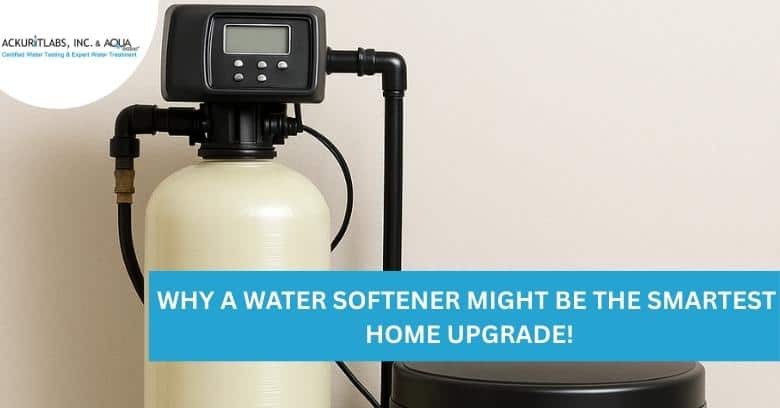
Enter water softeners, innovative devices designed to tackle the problems posed by mineral-rich water, especially in homes drawing from groundwater sources prevalent in many Florida communities. Water softeners are not just about getting softer towels or shinier dishes, although those are great perks. They play a critical role in protecting your home infrastructure, extending the serviceable life of costly appliances, and improving overall quality of life.
In Tallahassee Florida and neighboring areas like Crawfordville, addressing water hardness is not just about comfort as it is about smart home investment and safeguarding your long-term property value. Many homeowners are unaware of the invisible toll that hard water exacts over the years, causing everything from reduced water heater efficiency to higher energy bills and more frequent repairs. That is where water softener installation becomes not just a cosmetic upgrade, but a practical solution with measurable benefits.
This article will take you on a comprehensive journey into the world of water softeners, including what they are, why they matter, and why opting for water softener installation in regions like Tallahassee and Crawfordville could be one of the wisest decisions you make for your home. We will delve into how water softeners work, explore their advantages and potential drawbacks, consider which systems are best for your needs, and break down the installation process so you can make an informed choice. If you are thinking about investing in a water softener or just curious about the benefits, keep reading as you might discover that this upgrade is a game-changer for your home life and budget.
Understanding Water Softeners and Water Hardness
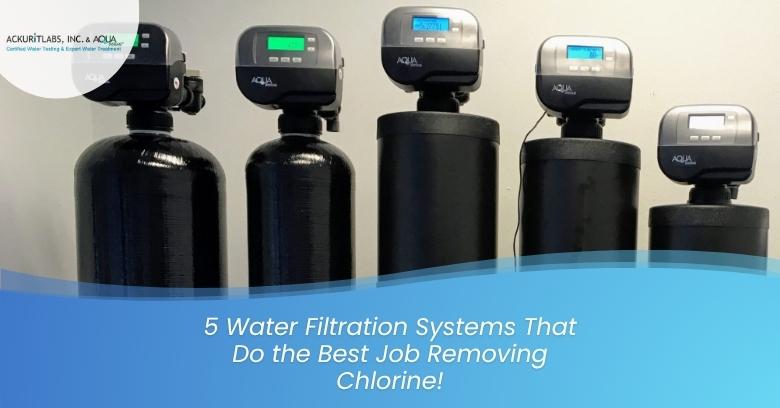
Water softeners are specialized devices that remove excess calcium and magnesium ions from hard water, replacing them with sodium or potassium ions through a process called ion exchange. In practical terms, this means that the water flowing from your taps, hoses, and appliances becomes softer, less likely to leave behind the mineral residue that causes scale buildup and soap scum.
The underlying problem of water hardness is measured by the concentration of dissolved minerals in your water supply. In places like Tallahassee and Crawfordville, naturally occurring minerals in the soil and rock, especially limestone, can seep into underground aquifers and municipal water systems. When you use hard water in your home, those minerals do not vanish; they accumulate over time, sticking to everything from pipes and water heaters to shower walls and glassware.
A water softener acts as your first line of defense, intercepting those minerals before they wreak havoc. Modern water softeners are highly effective, customizable, and designed for efficiency, making them ideal for the unique water conditions found in North Florida.
Why Water Softeners Are Crucial in the Florida Panhandle
The Hidden Costs of Hard Water
Hard water is not just a nuisance but rather a costly adversary. In Tallahassee and Crawfordville as calcium and magnesium buildup can:
- Clog and corrode pipes: Leading to reduced water flow and expensive plumbing repairs.
- Shorten appliance life: Water heaters, dishwashers, washing machines, and ice makers all suffer from scale buildup, reducing efficiency and increasing the risk of breakdown.
- Increase energy consumption: Scale builds up on heating elements in water heaters, making them work harder and driving up your utility bills.
- Dull clothes and linens: Laundry washed in hard water tends to fade, feel scratchy and does not rinse as cleanly.
- Irritate skin and hair: The minerals in hard water can dry out your skin, exacerbate eczema, and make hair feel limp or brittle.
- Spotty dishes and fixtures: Hard water leaves noticeable streaks and spots on shower doors, dishes, and glassware no matter how much you scrub.
The Benefits of Water Softener Installation
Having a water softener professionally installed in Tallahassee Florida or nearby Crawfordville is not just about aesthetics. Here is a snapshot of the real-world advantages:
- Extended Life for Appliances and Plumbing: With fewer mineral deposits clogging internal parts, your household systems operate efficiently and last longer.
- Lower Energy Bills: Soft water improves heater efficiency, reducing electricity or gas use.
- Reduced Maintenance and Repair Costs: Say goodbye to frequent service calls, de-scaling, and the need for harsh cleaning products.
- Better Cleaning Results: Dishes, sinks, and showers sparkle, and laundry comes out softer and brighter.
- Healthier Skin and Hair: Enjoy showers and baths that rinse away cleanly, leaving skin and hair moisturized and residue-free.
- Environmental Impact: Using less soap and detergent means fewer chemicals ending up in local water sources, an important consideration for the sensitive ecosystems around Tallahassee and Crawfordville.
Water Softeners Types: Which System Is Right for Your Home?
There is no one-size-fits-all answer, but some of the most common water softening technologies include:
- Salt-Based Ion Exchange Softeners: These are the traditional, most widely used models, relying on salt, either sodium or potassium, to replace hard minerals with softer ions. They are reliable, customizable, and perfect for most households; however, they do require regular salt refills and periodic maintenance.
- Salt-Free Water Conditioners: Rather than removing minerals, salt-free systems alter the structure of mineral ions so they cannot attach to surfaces. While these systems may reduce scaling, they do not offer the same comprehensive water-softening benefits, especially in areas with high hardness levels like Tallahassee and Crawfordville.
- Magnetic and Electronic Water Softeners: These emerging technologies use electromagnetic fields to influence the behavior of minerals in water. While easy to install, their effectiveness is still under scientific review and may not match those of traditional ion-exchange systems for severe water hardness.
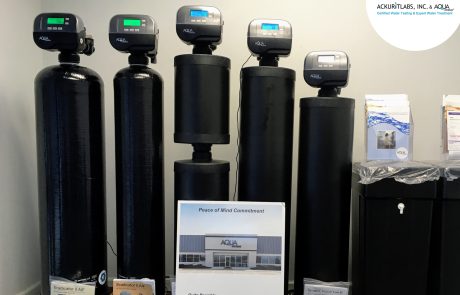
- Dual-Tank and High-Capacity Softeners: For larger households or homes with particularly hard water, dual-tank or high-capacity systems make sure of a continuous supply of soft water, even during system regeneration cycles.
What Does Water Softener Installation Involve?
Water softener installation is not a simple plug-and-play operation, but a streamlined process when handled by experienced professionals. In Tallahassee Florida and Crawfordville, high-quality installation begins with a comprehensive water test to determine your water's hardness level. Installers then help you select an appropriately sized system, taking into account your household's water usage, the number of bathrooms, and even your preferred salt type of either sodium or potassium.
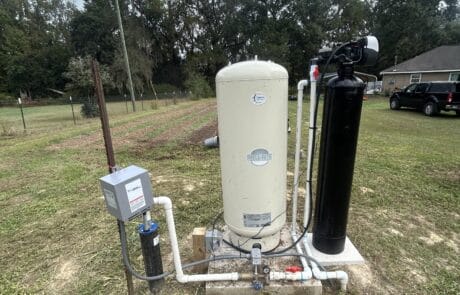
The chosen system is typically installed near your main water line, often in a garage, utility room, or exterior enclosure. The technician connects the softener to your water supply, make there is proper drainage for system regeneration, and programs the system for optimal salt and water use. In as little as a few hours, your entire home can be protected from hard water damage.
Professional Water Softener Installation: What to Expect
In Tallahassee and Crawfordville, water softener installation professionals will:
- Conduct a Detailed Water Analysis: Accurately measure your water's hardness, iron content, and any other contaminants.
- Evaluate Your Household Needs: Consider family size, water usage, and layout to recommend the most effective system.
- Choose an Ideal Location: Identify the best installation site for system efficiency, freezing risk, and accessibility.
- Manage Plumbing Integration: Seamlessly tie the system into your existing water lines providing neatness and code compliance.
- Test and Program the System: Set regeneration schedules, salt dosages, and water flow calibration.
- Provide Maintenance Guidance: Show you how to monitor salt levels, schedule cleanings, and recognize signs of system trouble.
DIY water softener installation is technically possible, but professional installation guarantees warranty protection, optimal performance, and peace of mind. Plus, expert installers can handle any unique plumbing quirks common in homes throughout Northern Florida.
The Pros and Cons of Installing a Water Softener
Pros
- Protection for Your Home: Extends the life of your appliances and plumbing, saving money in the long run.
- Improved Water Quality: Tastier, softer water for cooking, bathing, and cleaning.
- Efficiency Boost: Reduces energy demand and soap usage, which is both economic and eco-friendly.
- Customizable Solutions: Systems can be tailored for city water, well water, or specific household needs.
Cons
- Initial Cost: Upfront purchase and installation can be a barrier, though often offset by long-term savings.
- Ongoing Maintenance: Regular salt refills and occasional cleaning are required.
- Wastewater Concerns: Ion-exchange softeners discharge brine, which may impact local water systems, an environmental factor to discuss with your installer.
- Taste Alterations: Some people notice a slight taste difference due to added sodium, though potassium-based systems can address this.
Water Softeners and Local Life: The Tallahassee and Crawfordville Perspective
Living in Tallahassee or neighboring Crawfordville means not just adapting to a humid climate and lush, green landscapes. It also often means coping with local water conditions that are rich in minerals like calcium and magnesium. Municipal reports and local water utility data indicate that these areas, which draw from deep groundwater sources, have moderate to high water hardness levels. Homeowners in these communities who install water softeners quickly notice improvements in everyday comfort, cost savings, and even the overall value of their properties.
Local water softener installation firms in Tallahassee and Crawfordville Florida are highly attuned to community needs, offering solutions tailored to the unique challenges posed by regional geology and water composition. Whether you are moving into a new home, renovating an older property, or simply tired of dealing with persistent hard water stains, a water softener could be the upgrade you have been waiting for.
Conclusion
Installing a quality water softener to combat hard water can be one of the smartest and most cost-effective upgrades for your home, especially if you live in Tallahassee Florida or the surrounding communities like Crawfordville. The difference between hard and soft water is not just about appearance or taste; it it about protecting your home, minimizing repair bills, reducing energy usage, and enhancing your daily comfort.
By understanding how water softeners work, what the installation process entails, and the specific benefits they offer in your region, you can make an informed, proactive decision. Investing in a professional water softener installation not only makes certain y ou are getting the right system for your unique water conditions but also guarantees you will reap the full rewards of greater efficiency, less maintenance, and better quality water for every aspect of life.
Do not wait for mineral buildup to damage your pipes or appliances. Reach out to a trusted water softener specialist in Tallahassee or Crawfordville today and start experiencing the clean, smooth difference that only professionally softened water can deliver!
Key Takeaways
- Hard Water Is a Widespread Issue in Florida: Cities like Tallahassee and Crawfordville often experience high mineral content in their water, leading to scale buildup and costly household damage.
- Water Softeners Solve Multiple Problems at Once: These systems remove calcium and magnesium, protecting plumbing, appliances, and fixtures while delivering better cleaning results and softer laundry and showers.
- Installation Is Best Left to Professionals: Proper water softener installation provides system longevity, optimal performance, and adherence to local plumbing codes, while DIY can be risky and potentially void warranties.
- Multiple Technologies Are Available: Salt-based ion exchange remains the most effective option for hard water in North Florida, but salt-free and electronic systems may suit lighter applications or specific preferences.
- Return on Investment Is Tangible: Families experience fewer appliance breakdowns, lower repair costs, and notable savings on energy and cleaning products after installing a water softener.
- Appliance and Plumbing Longevity: Reduced mineral buildup means water heaters, dishwashers, and pipes all last longer, making this upgrade a smart move for any homeowner.
- Better for Skin and Hair: Soft water makes a noticeable difference in daily comfort, particularly for those with sensitive skin or hair prone to dryness and irritation.
- Regional Expertise Matters: Local installers in Tallahassee and Crawfordville understand the region's unique geological factors and water profiles so that your system is perfectly suited to local conditions.
- Environmental Impact Should Be Considered: Discuss options and brine management with your installer as newer systems and potassium-based alternatives can help mitigate concerns.
- Ongoing Maintenance Is Easy: Modern systems require minimal upkeep, mainly checking salt levels and scheduling the occasional cleaning, making the benefits long-lasting with little hassle.
FAQs
1. What is hard water and why is it a problem in Tallahassee and Crawfordville Florida?
Hard water contains high levels of minerals, such as calcium and magnesium. In areas like Tallahassee and Crawfordville, groundwater sources are naturally rich in these minerals, which can cause limescale buildup, appliance wear, and inefficient cleaning.
2. How do water softeners work?
Water softeners use an ion exchange process to replace calcium and magnesium ions with sodium or potassium, effectively eliminating the causes of hard water. This results in softer water that is gentle on plumbing and appliances.
3. Is water softener installation complicated?
For most homes, professional water softener installation is straightforward and typically completed within a few hours. Professionals handle testing, system sizing, plumbing, and calibration to provide optimal performance in your Tallahassee or Crawfordville home.
4. Do water softeners require regular maintenance?
Yes, water softeners require periodic maintenance, primarily through salt refills and occasional cleaning, to keep the system running efficiently and prolong its serviceable life.
5. Will a water softener improve the taste of my water?
Many homeowners notice an improvement in taste after removing metallic or mineral flavors, yet some may detect a slight sodium taste, especially with sodium-based systems. Potassium-based options can minimize this.
6. Are there different types of water softener systems?
Absolutely. The main types include salt-based ion exchange systems, salt-free conditioners, and electronic/magnetic conditioners. Salt-based softeners remain the most effective for homes with hard water in North Florida.
7. Can I install a water softener myself?
While some systems are marketed as DIY-friendly, it is best to hire a professional for water softener installation, especially to be sure of code compliance and maximum efficiency in cities like Tallahassee and Crawfordville.
8. How will a water softener affect my energy bills?
Water softeners often reduce energy bills by keeping water heaters and appliances free from scale buildup, allowing them to operate efficiently and use less energy.
9. Is softened water safe to drink?
Yes, softened water is generally safe to drink. If you have health concerns about sodium intake, consider a potassium-based system or consult your installer about filtered drinking water taps.
10. How long does a water softener system last?
With regular maintenance, a high-quality water softener can last 10 to 15 years or longer, providing reliable protection for your Tallahassee or Crawfordville home.