Water is the lifeblood of every home and its quality significantly impacts our health, comfort, and daily routines. Yet having clean, safe water is not as simple as just turning on the tap, especially in regions like Tallahassee Florida and surrounding areas such as Crawfordville. With local water sources influenced by natural groundwater, city systems, and environmental factors unique to North Florida, the topic of home water filtration has never been more relevant. If you live in this region, you have probably noticed varying tastes, odors, or even mineral deposits in your tap water. These are not just nuisances; they can signal the presence of unwanted contaminants or high mineral content, raising concerns about water quality.
Understanding the essentials of home water filtration can transform your water from questionable to crystal clear, providing peace of mind and better-tasting, healthier water for drinking, cooking, and cleaning. Home water filtration is more than just installing a filter; it is about knowing your local water characteristics, identifying your household's unique needs, and making informed decisions about the right systems and their ongoing maintenance.
In Tallahassee Florida where the water may contain natural minerals, occasional hardness, or even traces of agricultural runoff, homeowners are increasingly seeking effective water filter installation options. Ongoing construction, seasonal storms, and Florida's distinctive ecology can all affect your water supply, sometimes resulting in chlorine, sediment, bacteria, or even trace amounts of heavy metals. These realities make it critical to understand not only the basics of filtration but also the importance of adapting solutions specific to Tallahassee and nearby communities like Crawfordville.
Navigating the world of home water filtration can seem overwhelming at first. Should you choose a simple pitcher filter, a faucet-mounted device, or invest in a whole-house filtration system? How do you know which contaminants to target and what system is best for your water source of city or well water? And once installed, what does proper maintenance look like? These are just a few of the questions that Tallahassee homeowners wrestle with.
This guide is designed to walk you through the essentials of water filtration, with a focus on the needs specific to Tallahassee, Crawfordville, and the surrounding North Florida region. Whether you are new to water filter installation or simply want to see that your existing system is doing its job, the insights shared here will help you safeguard your home's water quality and ultimately your family's health and wellbeing.
Understanding Water Filtration: Basics and Benefits
Water filtration encompasses a broad range of technologies and strategies that remove contaminants, improve taste, and deliver safer water for home use. In Tallahassee Florida and nearby areas, the importance of filtration is amplified by regional water characteristics. So what exactly does water filtration involve and why is it so crucial for homeowners in this region?
What is Water Filtration?
Water filtration is the process of removing impurities such as sediments, chlorine, bacteria, minerals, or chemical pollutants from the water supply. Filtration systems use mechanical, chemical, or biological means to trap, break down, or neutralize these contaminants before they reach your taps. Common systems include activated carbon filters, reverse osmosis units, sediment filters, ultraviolet or UV purifiers, and more. Each targets specific issues and their use varies depending on water quality and your household's needs.
The Importance of Water Filtration in Tallahassee
Tallahassee's water primarily comes from the Floridan Aquifer, which is renowned for relatively high quality but may still pick up natural minerals, such as calcium and magnesium, leading to water hardness. Local wells, prevalent in Crawfordville and the outskirts, are also susceptible to seasonal changes that can introduce organic material, agricultural chemicals, or bacterial contamination. Regular city water sources may routinely use chlorine for disinfection, which can affect odor and taste.
For residents, this means that simply relying on municipal or well water is not enough. Water filtration provides a protective layer, reducing the risk of illness and preventing issues like scale buildup in plumbing, which can damage appliances and increase energy bills. Moreover, filtration can enhance the flavor of drinking water and remove unpleasant odors, making daily use more enjoyable.
Types of Water Filtration Systems
The choice of a water filtration system depends largely on your specific water quality challenges and household priorities. Here are the main types available to Tallahassee and Crawfordville Florida homeowners:
- Pitcher and Faucet Filters: These are portable, budget-friendly options that use activated carbon to remove chlorine, sediment, and minor impurities. While they improve taste and odor, they typically do not address more serious contaminants like bacteria or heavy metals. They are excellent as a first step or for renters who cannot install permanent fixtures.
- Under-Sink Filters: Installed directly under your kitchen sink, these systems offer advanced filtration with multi-stage filters that can target chlorine, lead, pesticides, and more. They provide high-quality filtered water right at the point of use, making them popular in homes where drinking water quality is a primary concern.
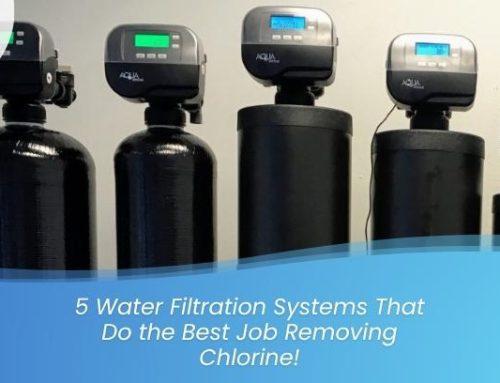
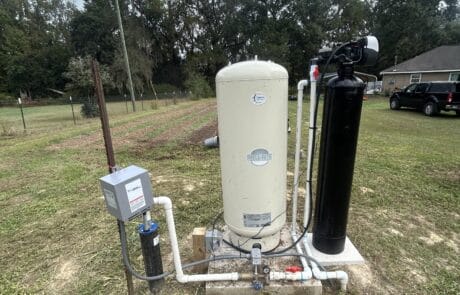
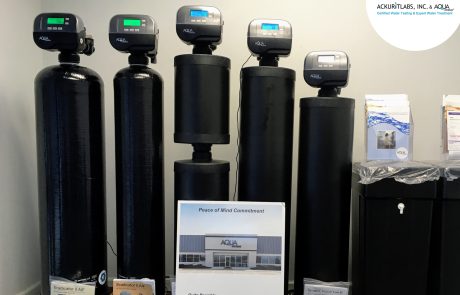
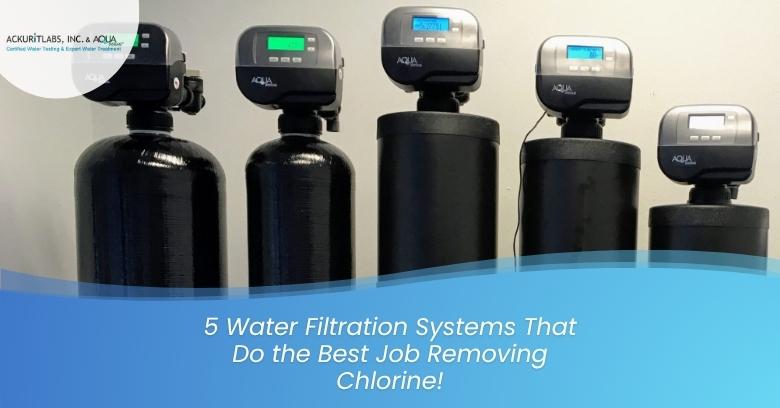
- Whole-House Filtration Systems: For Tallahassee homes with well water or significant water hardness, whole-house systems are often recommended. These filter every drop entering your home, protecting plumbing, appliances, and bathing water, not just drinking water. Options include sediment filters, water softeners, and combination systems tailored to your water source.
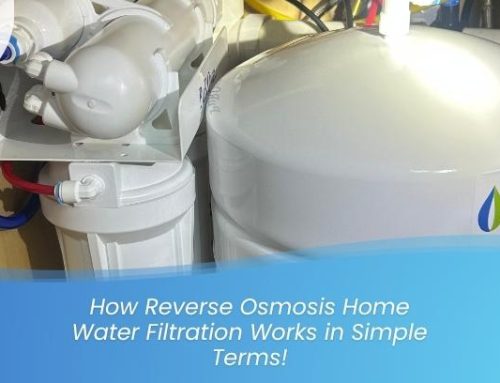
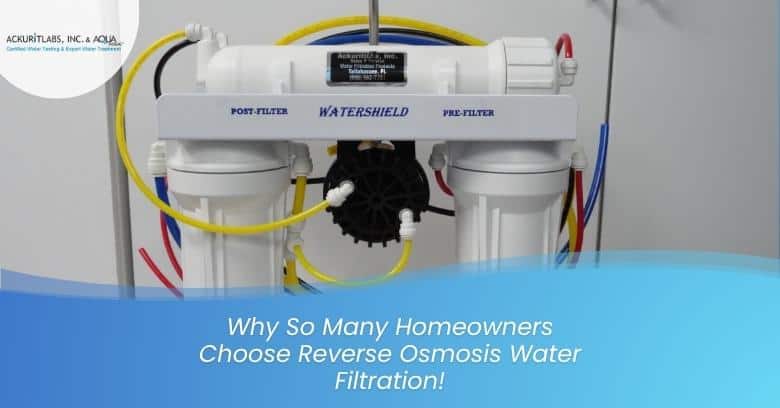
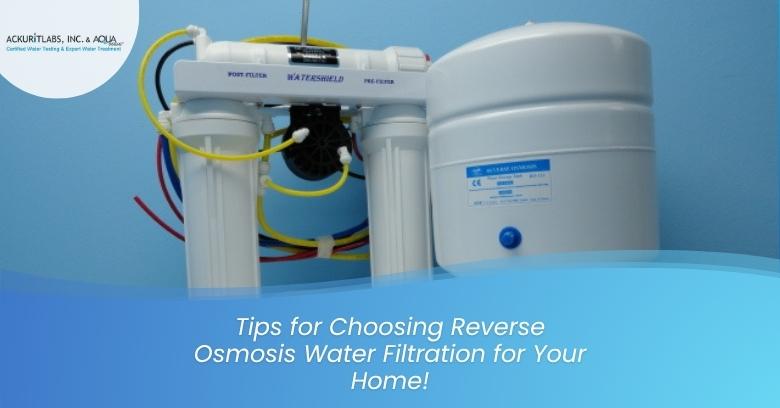
- Reverse Osmosis or RO Systems: RO systems are among the most effective in removing a wide array of contaminants, from salts and minerals to bacteria, lead, and other dissolved solids. These are typically installed under sinks or as dedicated drinking water taps, delivering exceptionally pure water.
- UV Purification Units: When bacterial contamination is a concern, common in private wells around Crawfordville, UV purifiers use ultraviolet light to neutralize bacteria and viruses without adding chemicals. Often used in combination with other filtration systems, they are particularly suited to rural and semi-rural properties.
Factors Affecting Filter Choice in Tallahassee and Crawfordville
Each home's water filtration needs are unique. Here are a few key factors to consider:
- Water Source: Whether your home is supplied by city water or a private well will influence the type of contaminants you are likely to encounter and the best filter for the job.
- Contaminant Profile: Specific concerns, such as iron, sulfur, pesticides, or bacterial risks, require targeted filter technologies.
- Household Size and Usage: Larger households or those with heavy water usage may benefit from resilient whole-house systems to have ample, consistent filtration.
- Local Regulations and Recommendations: The city of Tallahassee periodically updates its water quality reports; reviewing these can help you stay informed about emerging issues and available solutions.
- Maintenance Requirements: Some filters require frequent cartridge changes, while others offer longer service intervals. Choosing a system you can realistically maintain ensures ongoing performance.
Water Filter Installation: What Tallahassee Homeowners Need to Know
Investing in a water filtration system is just the first step—proper installation is critical to realizing its full benefits. Here's what you should know about water filter installation in Tallahassee and neighboring regions:
DIY vs Professional Installation
Some filters like countertop or pitcher models are simple enough to set up without any experience. Under-sink and whole-house systems usually require plumbing skills to avoid leaks and have proper function. In Tallahassee, many homeowners opt for professional installation, especially for complex systems or when connecting to aging plumbing.
Typical Installation Process
Water filter installation generally follows these steps:
- Assessment: Evaluate water quality, flow rates, and your plumbing layout.
- Selection and Sizing: Choose a system rated for your home's volume and the specific contaminants present.
- Location Prep: Clear the under-sink space, access the main supply lines, and assess power if needed for UV units.
- Plumbing Integration: Shut off the water, connect the inlet/outlet pipes, and attach the appropriate fittings per the manufacturer's instructions.
- System Testing: Check for leaks, adjust flow, and verify the quality of filtered water.
- Flush System: Initial flushing removes any loose filter media or installation debris.
Professional installers are familiar with Tallahassee's common plumbing layouts and water treatment needs so that your system operates efficiently from day one.
Maintenance and Upkeep
Regularly replacing cartridges and cleaning system components enhances ongoing filtration performance. Many systems include indicator lights or manuals outlining specific intervals. Tallahassee's mineral-rich water may require more frequent filter changes, especially if you notice a drop in flow rate or a return of unpleasant tastes or odors.
For whole-house systems, especially those using softeners or multiple-stage filters, annual professional service is advisable. This can help identify developing issues early and keep your water supply safe year-round.
Addressing Local Water Concerns
The seasonal rains, hurricanes, and natural soil conditions in Tallahassee and Crawfordville Florida mean filters often work overtime to keep up with fluctuating water conditions. Consider additional pre-filtration steps, such as sediment cartridges at the main supply line, to extend the serviceable life of primary filters and protect against storm-season turbidity.
Homeowners on well water should test their supply annually for bacterial and chemical contaminants and adapt their filtration accordingly. Many local professionals can provide water tests and recommend solutions based on up-to-date regional water data.
Pros and Cons of Home Water Filtration Systems
With so many options on the market, it is important to weigh the strengths and weaknesses of home water filtration systems in Tallahassee and Crawfordville.
Pros
- Improved Water Safety: Filters remove chemicals, bacteria, and heavy metals, safeguarding your family's health.
- Better Taste and Odor: Filtration eliminates unpleasant flavors and smells, encouraging increased water consumption.
- Protection for Appliances: By reducing scale and sediment buildup, filters extend the serviceable life of dishwashers, washing machines, and coffee makers.
- Customizable Solutions: Systems can be tailored to your specific water source and household demands.
- Environmental Benefits: Filtering at home reduces reliance on bottled water, cutting plastic waste.
- Consistent Quality: Whole-house systems deliver filtered water to every tap, not just the kitchen.
Cons
- Upfront Cost: High-quality systems, especially for entire homes, require investment.
- Ongoing Maintenance: Filter cartridges must be replaced regularly, adding to operational costs.
- Potential Installation Challenges: Plumbing modifications may be needed, especially in older Tallahassee homes.
- Water Waste: Some advanced filters, such as reverse osmosis, discharge water during filtration.
Applications and Sector Impacts
While home water filtration is most common, the principles extend to businesses, schools, and healthcare facilities across Tallahassee and Crawfordville. Restaurants benefit from filtered water for cooking and beverages, improving taste and customer satisfaction. Schools safeguard student safety by reducing the risks of lead and bacterial exposure. Hospitals rely on advanced filtration systems to protect immunocompromised patients.
On a broader scale, widespread use of home filtration supports municipal water systems by reducing demand for bottled water and minimizing the environmental impact of plastic waste. As more Tallahassee residents adopt these systems, local water quality awareness rises, prompting ongoing improvements in public utilities and infrastructure.
Conclusion
In Tallahassee Florida and nearby Crawfordville, understanding the basics of home water filtration is essential to protect your health, home, and environment. With fluctuating water qualities driven by regional geology and seasonal weather patterns, investing in a reliable filtration system is not just a luxury as it is a necessity for long-term wellbeing.
From basic pitcher filters to whole-house solutions tailored to North Florida's specific needs, a range of options exists to fit every home and budget. Water filter installation, whether DIY or professionally managed, means that your water is cleaner, safer, and better-tasting. Regular maintenance and water quality monitoring further guarantee system performance and family health.
As you consider your own water filtration journey in Tallahassee or Crawfordville Florida, take proactive steps: Test your water, research targeted solutions, and do not hesitate to consult local professionals. Better water starts with knowledge and action, making your home a haven of health, comfort, and sustainability.
Ready to enhance your family's water quality? Start by testing your water today, exploring your filtration options, and connecting with trusted local experts for guidance!
Key Takeaways
- Understand Your Water Source: Knowing whether your home draws from city water or a private well is crucial in selecting the right filtration system for specific contaminants common in Tallahassee and Crawfordville.
- Test Water Regularly: Annual water testing helps identify emerging contaminants, letting you update or upgrade your filtration as needed for optimal safety.
- Choose the Right System: Options range from affordable pitcher filters for minor issues to resilient whole-house systems that tackle mineral buildup and bacterial risks.
- Consider Professional Installation: For complex under-sink or whole-house systems, especially in older homes, professional installation can provide a leak-free, optimal setup.
- Keep Up with Maintenance: Regular filter changes and periodic professional servicing are key to maintaining excellent water quality and system performance.
- Stay Informed About Local Water Reports: Check Tallahassee's municipal water quality updates and adapt your filtration choices to address newly reported issues or seasonal changes.
- Factor in Total Cost: Weigh upfront investment against long-term savings from appliance protection, reduced bottled water use, and lower repair bills.
- Prioritize Health and Taste: Effective water filtration not only removes harmful contaminants but also improves the taste and smell, making daily hydration enjoyable.
- Be Environmentally Conscious: Home filtration supports sustainability by reducing single-use plastic and fostering community-wide awareness of water resource management.
- Do Not Hesitate to Seek Local Expertise: North Florida professionals understand the area's unique water characteristics and can tailor solutions that fit your home and lifestyle.
FAQs
1. Why is water filtration important in Tallahassee Florida?
Water filtration in Tallahassee is crucial due to the presence of natural minerals, occasional bacteria, and potential agricultural runoff in the local supply. Filtration ensures safe, great-tasting water suitable for all home uses.
2. Which water filter is best for homes with well water in Crawfordville?
For Crawfordville homes with well water, a combination of sediment filters, activated carbon, and UV purification is often recommended to address both physical and biological contaminants.
3. How often should I replace my water filter cartridges?
Most cartridge-based systems require replacement every 3 to 6 months, but this can vary depending on usage and water quality. Always follow manufacturer guidelines and monitor for changes in taste or flow rate.
4. Can I install a water filter myself or should I hire a professional?
Simple devices like pitcher filters are DIY-friendly, but under-sink and whole-house systems usually benefit from professional installation to ensure correct setup and prevent leaks.
5. What contaminants are most common in Tallahassee's water?
Common contaminants include chlorine, sediment, calcium, magnesium, and occasionally bacteria or agricultural chemicals, especially in well water or after heavy rain events.
6. How will a whole-house filtration system benefit my Tallahassee home?
Whole-house systems prevent scale buildup, protect appliances, and deliver filtered water to every tap, improving the quality of bathing, cleaning, and drinking water.
7. Are there water filters that protect against boil water advisories?
Advanced systems, especially those with UV purification or reverse osmosis, can provide extra security during advisories, but always follow local guidance and disinfect as directed.
8. Do water filters remove lead from drinking water?
Many under-sink and reverse osmosis systems are designed to remove lead, but check product certifications to ensure they meet NSF/ANSI standards for lead reduction.
9. What is the difference between water softeners and water filters?
Water softeners remove hardness minerals like calcium and magnesium, preventing scale; water filters remove a broader array of contaminants for health and taste benefits.
10. How do I know if my filtration system is working correctly?
Clear, odor-free water, normal flow rates, and timely filter changes indicate proper function. Some systems have indicator lights or test kits to provide additional assurance. If in doubt, schedule annual maintenance or water testing for peace of mind.