Clean, safe water is not just a luxury, it is a necessity for your family's health and well-being. Whether you are pouring a glass of water to drink, preparing meals, or showering after a long day, the quality of your water affects nearly every aspect of daily life. For residents of Tallahassee Florida and neighboring Crawfordville, water quality can vary widely depending on the source, local mineral content, and municipal treatment processes. While most public water systems meet federal standards, many homeowners notice lingering tastes and odors, or have concerns about contaminants such as chlorine, sediment, and even trace amounts of heavy metals.
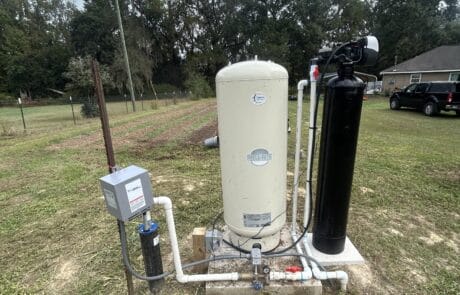
This is where the importance of comprehensive water filtration comes in. Investing in a whole-house water filter is one of the smartest decisions you can make for your home's infrastructure and your family's health. Unlike point-of-use filters that only treat water at a single faucet, whole-house water filtration systems see to it that every drop of water entering your home is filtered, protecting your plumbing, appliances, and most importantly, the people living under your roof.
But how do you choose the right system for your household? With dozens of brands, filter types, and configurations on the market, it can be overwhelming to make an informed choice. Factors like water quality testing, filter media type, installation requirements, long-term maintenance, and regional water issues should all play a role in your decision.
This guide will walk you through everything you need to know about whole-house water filtration, from understanding local water challenges in Tallahassee and Crawfordville, to evaluating water filter installation options, to making a selection that delivers efficiency, cost-effectiveness, and peace of mind. We will explore the pros and cons of various systems, applications suited to different water conditions, and their overall impact on local households.
By the end of this article, you will have a clearer understanding of what to look for in a whole-house water filter, how to approach water filter installation, and tips to maximize the serviceable life and performance of your new system. Clean, healthful water is within reach, so let's make certain that you make the best possible decision for your home.
Understanding Water Quality in Tallahassee and Crawfordville
To choose the best water filtration system, it helps first to understand the unique water quality concerns in the Tallahassee and Crawfordville Florida areas. Both regions are served by municipal water sources, and many rural homes rely on private wells. The geology of North Florida, which is characterized by limestone aquifers, means that local water is generally hard, featuring high levels of calcium, magnesium, and occasional iron or sulfur compounds.
Residents often report:
- Hard water buildup: These minerals can cause scale buildup on plumbing fixtures and reduce appliance efficiency.
- Chlorine and Chloramine: Used by municipal suppliers to disinfect water, these chemicals can leave an unpleasant taste and odor.
- Sediment and rust: Older pipes or well systems may introduce particulates and rust into the home water supply.
- Trace contaminants: Pesticides, VOCs, and even trace pharmaceuticals have been detected in some water tests in Florida.
Before making any filtration decision, it is wise to conduct a water quality test. Many local suppliers and independent labs in the Tallahassee area offer comprehensive water testing services. Knowing your water's precise makeup will help you choose a filtration system tailored to your unique challenges.
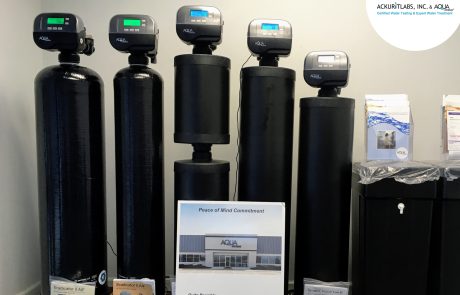
Types of Whole House Water Filtration Systems
There are several categories of whole-house water filtration systems, each designed for specific water quality concerns:
1. Sediment Filters
These are the first line of defense against dirt, rust, sand, and other large particles. Sediment filters are essential in areas with older plumbing or well water. They protect downstream equipment such as softeners and carbon filters from clogging and premature failure.
2. Carbon Filters
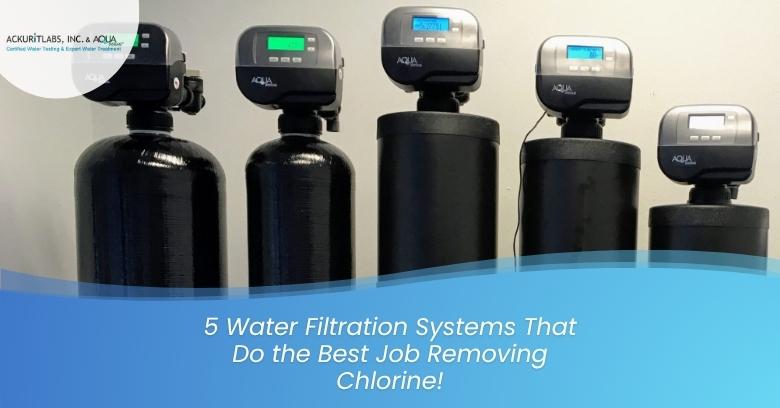
Activated carbon filtration is highly effective at removing chlorine, chloramine, solvents, pesticides, and certain organic compounds. Carbon filters also improve taste and odor, making water more pleasant.
3. Water Softeners
If hard water is your main concern, a traditional ion-exchange softener can help. These systems swap calcium and magnesium ions for sodium or potassium, preventing scale buildup and extending appliance serviceable life.
4. Reverse Osmosis Systems
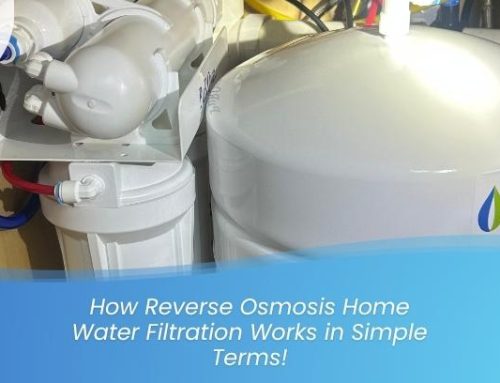
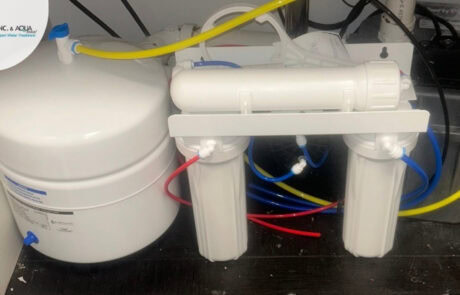
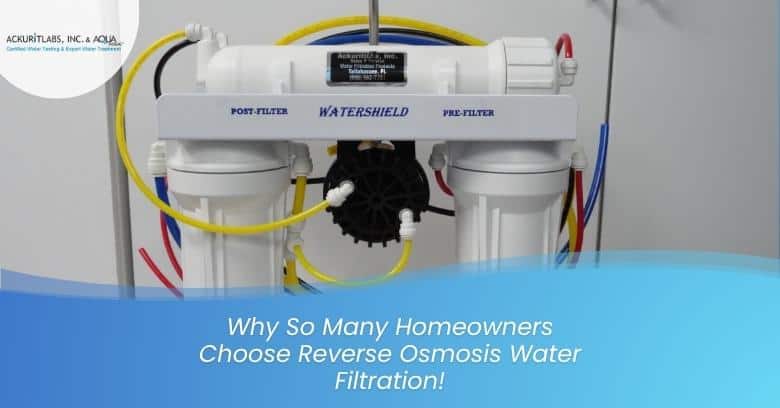
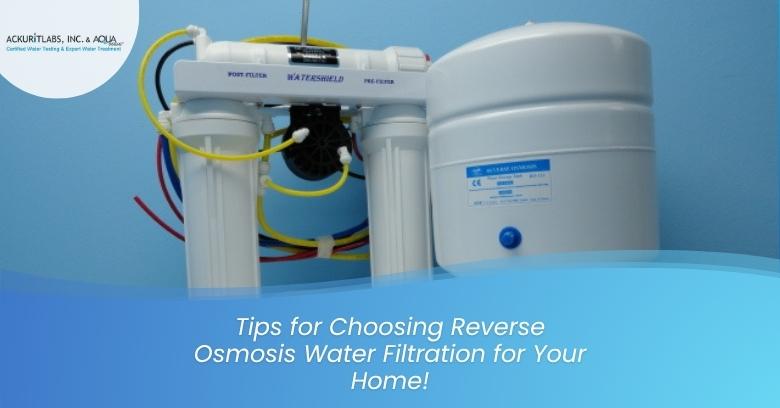
While RO water filtration systems are most common under the sink, some whole-house models exist for more comprehensive treatment. RO is the gold standard for removing dissolved solids, heavy metals, and a broad range of contaminants, but it can waste water and requires more maintenance.
5. Specialty Media Filters
Certain issues with iron, sulfur, or specific heavy metals require specialized media such as manganese greensand or catalytic carbon. These systems target problem water and often work in tandem with other filters.
6. UV Purifiers
Ultraviolet purification is often used as a final disinfection step, especially in homes that rely on private wells. UV light kills bacteria and viruses so that water is microbiologically safe.
System Integration
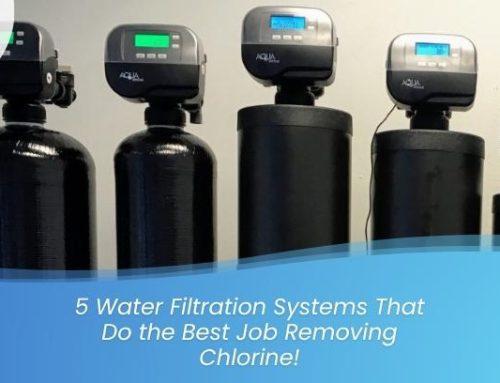
Many high-quality whole-house water filtration solutions combine several of these elements in a staged filtration system. For instance, a three-stage system might start with sediment removal, then carbon filtration, followed by a water softener.
Pros and Cons of Whole House Water Filtration
Pros
- Comprehensive Protection: Every tap in your home dispenses filtered water.
- Health Benefits: Removes or reduces harmful contaminants like chlorine, VOCs, and heavy metals.
- Appliance Longevity: Filters reduce buildup, rust, and scale, protecting pipes, heaters, and laundry machines.
- Convenience: No need to maintain filters at every faucet or use water filter pitchers.
Cons
- Upfront Cost: Whole-house systems and water filter installations are investments. Expect to spend more than you would on a pitcher or sink-level filter.
- Maintenance: Periodic filter replacement and system service are required.
- Possible Pressure Drop: If undersized or poorly maintained, whole-house filters can reduce water pressure.
- Space Requirements: These systems need space for installation, commonly in a basement, utility room, or garage.
How to Choose the Best Whole House Water Filtration
Making the right choice comes down to several key steps:
- Test Your Water First: Start with a comprehensive water test to identify the specific issues affecting your home. This will help target your investment and avoid over or under-filtering.
- Choose the Right Filter Media Match the filter type to your water's contaminants. For example, hard water calls for a water softener while chlorine taste calls for activated carbon.
- Consider Flow Rate: Whole house systems are sized by the gallons per minute or GPM they can treat. Calculate your household usage including multiple bathrooms, laundry, and simultaneous showers that will require higher GPM systems.
- Evaluate Filter Serviceable Life and Maintenance: Check how often filters need to be replaced, the cost of consumables, and the complexity of maintenance. Some systems require only annual servicing, while others need more frequent attention.
- Review Certification and Ratings: Look for systems tested and certified by NSF, WQA, or similar agencies. These marks mean that performance claims are independently verified.
- Assess Installation Requirements: Consider your home's layout, plumbing accessibility, and whether you will need professional water filter installation in Tallahassee or Crawfordville. A professional installer provides optimal performance and eliminates warranty issues.
- Think About Future Needs: If you are planning renovations, a growing family, or adding new appliances, choose a system with enough capacity to handle future water demands.
Applications and Sector Impacts
Whole-house water filtration is not just for single-family homes. The increasing awareness of water quality and health standards has led to widespread adoption in:
- Multi-family residences: Shared systems for apartment buildings and condos.
- Small businesses and offices: Grocery stores, salons, clinics, and schools benefit from healthy, clean water for clients and staff.
- Hospitality and food service: Filtered water protects equipment and improves taste in restaurants, hotels, and cafes.
- Healthcare settings: Clinics and wellness centers often require water filtration to safeguard sensitive equipment and clients.
In Tallahassee Florida and neighboring Crawfordville, growing populations and changing water sources make system adaptability a prime concern for both homeowners and local businesses.
Water Filter Installation: DIY or Professional?
While some water-savvy homeowners may tackle filter installation themselves, most benefit from hiring a professional. This provides for correct sizing, compliance with local plumbing codes, and a watertight installation that will not jeopardize warranties or cause leaks.
In Tallahassee and Crawfordville Florida, many reliable plumbing and water treatment companies specialize in water filter installation. They will help you choose the best location, connect to the main supply line, and test the system for consistent, reliable performance.
Conclusion
Choosing the best whole-house water filtration system is an investment in your family's health, comfort, and the longevity of your home's infrastructure. For Tallahassee and Crawfordville residents, the unique nature of North Florida's water, ranging from mineral-heavy well water to chlorinated municipal supplies, means that a one-size-fits-all approach will not suffice. The right filtration system, tailored to your household's needs and local water conditions, will provide peace of mind with every drop.
Whether you need sediment removal, taste improvement, or specialized contaminant reduction, today's water filtration technologies offer effective, affordable solutions. Be sure to test your water, select an appropriately sized system, and work with experienced professionals for water filter installation.
A cleaner, healthier future is just a filter away. Take the time to make the best choice for your family, and enjoy fresh, pure water from every tap in your home!
Key Takeaways
- Understand Your Local Water Quality: Tallahassee and Crawfordville households face unique challenges, including hard water minerals, chlorine, and sediment. Know what is in your water before you choose a system.
- Conduct Comprehensive Water Testing: Professional testing identifies contaminants and helps determine which filtration technologies your home really needs. Avoid guesswork and overspending by starting with data.
- Match Filter Types to Specific Issues: Different filtration media target specific contaminants including activated carbon for chlorine and odors, softeners for mineral hardness, and specialty media for iron or sulfur removal.
- Prioritize Proper Sizing and Flow Rate: An undersized filter can cause drops in water pressure and will not meet your family's needs. Calculate your peak water use and choose accordingly.
- Choose Certified Filtration Systems: Always look for NSF, WQA, or similar certifications on products so that claims are independently verified and meet health standards.
- Evaluate Maintenance Requirements: Understand filter serviceable lives, replacement costs, and maintenance schedules to avoid unexpected expenses and keep your system running smoothly.
- Consider Professional Installation: While DIY is possible for some handy homeowners, professional water filter installation in Tallahassee or Crawfordville delivers correct setup, local code compliance, and system longevity.
- Factor in Whole House Benefits: Unlike point-of-use filters, whole house systems protect every tap, appliance, and plumbing fixture, offering comprehensive protection and convenience.
- Budget for Upfront and Ongoing Costs: Whole-house filtration is an investment. Consider both the initial purchase and installation costs and the ongoing maintenance and consumable replacements.
- Stay Informed About Water Quality Changes: Local water sources and treatment methods can change over time. Periodically test your water to be sure your filtration system remains effective and continues to address any new contaminants.
FAQs
1. What is a whole-house water filter, and how does it work?
A whole-house water filter is a filtration system installed at the main water supply entry of your home. It treats all the water flowing through your plumbing, removing contaminants such as sediment, chlorine, and other chemicals before it reaches any faucet, shower, or appliance.
2. Why should I install a water filtration system in Tallahassee or Crawfordville Florida?
The water in the Tallahassee area can contain minerals, chlorine, and sediment typical of the region's groundwater and municipal sources. Installing a water filtration system provides clean, safe water throughout your home, protecting your family and plumbing infrastructure.
3. What are the most common water contaminants in Tallahassee and Crawfordville Florida?
Homes in the Tallahassee and Crawfordville areas may face hard water minerals, iron, manganese, sediment from wells, and chlorine from municipal water. Periodic testing can reveal any specific issues unique to your property.
4. How often do I need to replace the filters in my whole house system?
Filter replacement intervals vary based on system design, water use, and contaminant load. Sediment pre-filters may need to be changed every 3 to 6 months, while carbon filters and softener media can last up to 12 months or longer. Always follow the manufacturer's recommendations.
5. Can I install a whole-house water filter myself, or do I need a professional?
Some homeowners can install a water filter with basic plumbing skills. Yet for optimal performance and compliance with local codes in Tallahassee and Crawfordville, hiring a professional is recommended.
6. Will a whole-house filtration system reduce my water pressure?
If the system is properly sized and maintained, any pressure reduction will be minimal. Undersized filters or clogged cartridges can cause noticeable drops in performance, so choose a system rated for your household's needs and replace filters on schedule.
7. What certifications should I look for when choosing a water filtration system?
Look for NSF or WQA certification on water filters. These indicate the system has been independently tested for performance and safety.
8. How do I know what size whole-house water filter I need?
Calculate peak water usage by considering the number of bathrooms, appliances, and people living in your home. Most manufacturers provide sizing charts to help you select the appropriate GPM or gallons per minute.
9. Can a water filtration system remove bacteria and viruses?
Standard sediment and carbon filters do not eliminate bacteria or viruses. For microbiological concerns, especially for well water, consider adding a UV purifier to your filtration setup.
10. Are water filtration systems expensive to maintain?
Maintenance costs vary. Budget for periodic filter and media replacements, which can range from $50 to $200 annually, depending on your system and water conditions. Professional servicing, while optional, can also add to the long-term investment.