Water forms the backbone of our daily lives, a resource so fundamental that its purity and quality directly impact our health, hygiene, and peace of mind. For residents of Tallahassee Florida as well as neighboring communities like Crawfordville, having access to safe, clean drinking water is more than a luxury, it is a necessity. With growing concerns about contaminants, aging plumbing systems, agricultural runoff, and natural minerals, securing a resilient home water filtration system has become an essential step for proactive homeowners.
In the heart of Florida's Panhandle, Tallahassee draws its water from an extensive aquifer system. While municipal water treatment facilities adhere to strict standards, potential risks still exist as water travels through old pipes or gets exposed to external contaminants before reaching your tap. Common issues, including sediment, chlorine, bacteria, and even trace pharmaceuticals, have prompted savvy homeowners to explore various water filtration solutions tailored to local conditions.
Beyond public health considerations, water filtration can also elevate your daily living experience. Think about smoother skin after showers, tastier drinking water, and longer-lasting household appliances and plumbing. For those with families, providing safe water means peace of mind for everyone, from toddlers to grandparents.
Whether you live near the bustling center of Tallahassee, the peaceful neighborhoods of Crawfordville Florida, or anywhere in between, understanding water filtration, including how it works, the options available, and the steps for effective water filter installation, is crucial. This comprehensive guide will walk you through everything you need to know: from the basics of why filtration matters in North Florida to practical installation tips, system types, and maintenance best practices. We will also discuss common challenges and actionable strategies to help you make an informed investment in your family's health and well-being.
So if you are searching for straightforward water filtration tips to create a safer home environment in Tallahassee or Crawfordville, you are in the right place. Join in discovering solutions, gain confidence in your water supply, and enjoy every drop to the fullest.
Understanding Water Filtration in Tallahassee and Crawfordville
Why Water Filtration Matters Locally
Tallahassee Florida and nearby Crawfordville share the unique hydrology and geology of the Panhandle region. While the aquifer provides generally high-quality drinking water, several factors can compromise its purity. Seasonal storms, agricultural activities, and naturally occurring minerals such as sulfur or iron can alter water's taste, color, and safety. Additionally, older homes with outdated plumbing may be at risk for lead leaching or bacterial buildup.
A tailored water filtration approach addresses these local nuances. Instead of relying solely on municipal treatment, adding a household filtration system offers an extra layer of protection and reassurance, especially in regions where water quality can fluctuate throughout the year.
Common Contaminants in North Florida
- Sediment and Silt: Sand, dirt, and rust can infiltrate the water system, especially after heavy rains or pipe repairs.
- Chlorine and Disinfection Byproducts: While vital for killing pathogens, chlorine can leave an unpleasant taste or react with organic matter, resulting in potentially harmful byproducts.
- Hard Water Minerals: Calcium and magnesium, present in varying degrees, can cause scale buildup and impact soap efficiency.
- Volatile Organic Compounds or VOCs: Runoff from farms and gardens may introduce pesticides or herbicides into groundwater.
- Microbial Contaminants: Bacteria, viruses, and protozoa occasionally breach municipal defenses or infiltrate private wells.
Benefits of Home Water Filtration Systems
- Health Protection: Filters reduce exposure to contaminants, pathogens, and potentially harmful chemicals.
- Better Taste and Odor: Removing chlorine, sulfur, and sediment enhances your water's overall quality and palatability.
- Appliance Longevity: Minimizing mineral scale and sediment helps prolong the serviceable life span of dishwashers, washing machines, and water heaters.
- Skin and Hair Health: Softer, cleaner water is less harsh on skin and hair during bathing.
- Environmental Impact: Filtering and reusing water at home minimizes the need for plastic bottles and reduces waste.
Types of Water Filtration Systems for Your Home
Choosing the right water filtration system hinges on your specific needs, water source, and local challenges. Here is a rundown of the most popular options, designed with Tallahassee and Crawfordville Florida homeowners in mind:
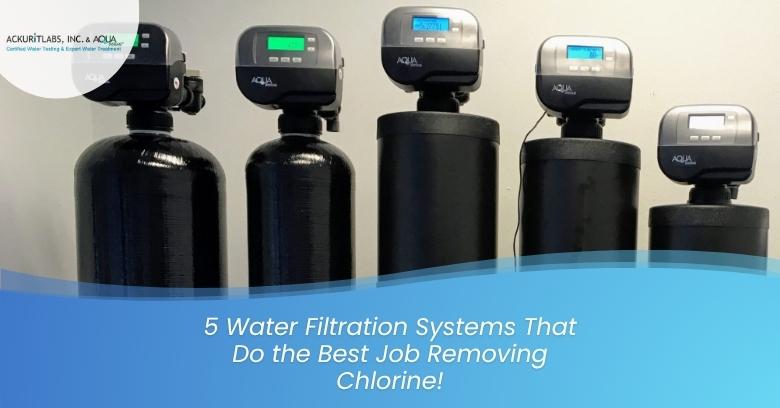
1. Activated Carbon Filters
- How They Work: Activated carbon traps contaminants through adsorption, capturing chlorine, VOCs, and unpleasant tastes or odors.
- Best For: Reducing chlorine taste/odor, organic chemicals, and some pesticides.
- Installation: Easily integrated into under-sink units or whole-house systems. Regular cartridge changes are necessary.
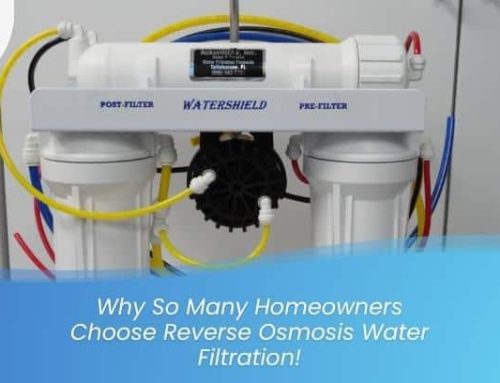
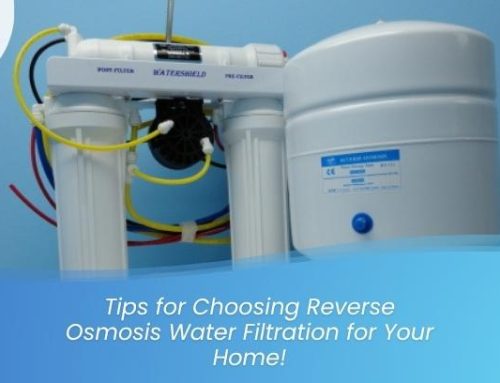
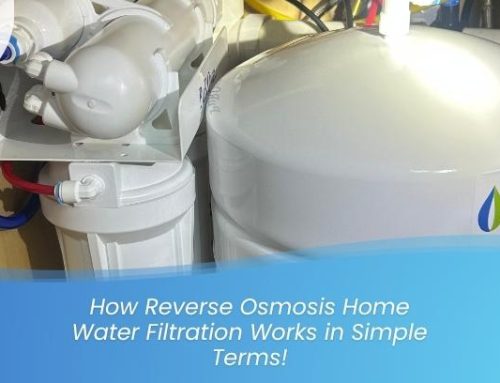
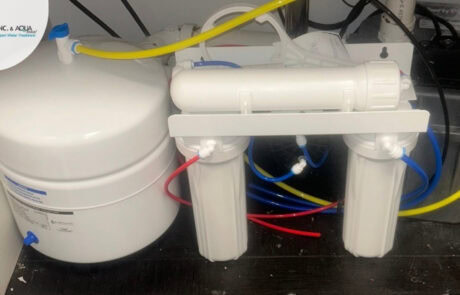
2. Reverse Osmosis (RO) Systems
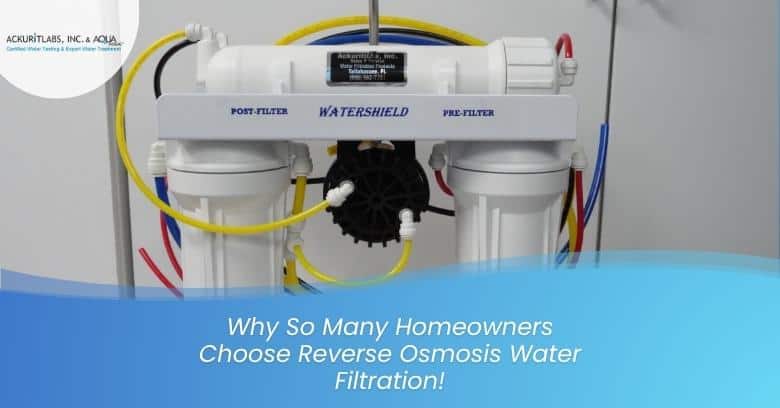
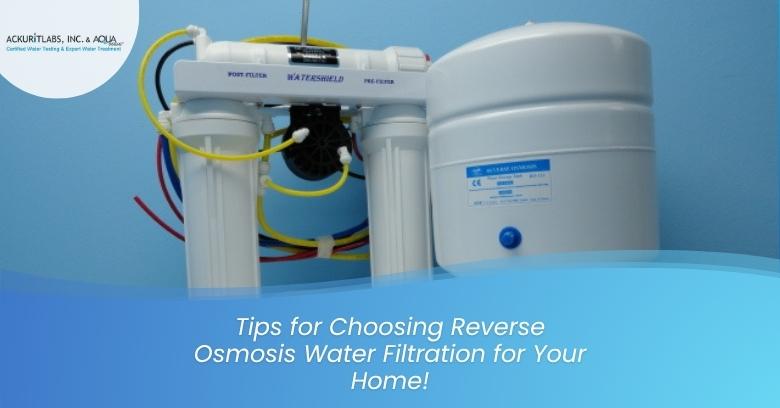
- How They Work: Force water through a semipermeable membrane to remove dissolved solids, lead, arsenic, and more.
- Best For: Households demanding maximum contaminant reduction, including families with private wells or at-risk pipes.
- Installation: Typically installed under the kitchen sink, with dedicated faucets.
3. Sediment Filters
- How They Work: Capture sand, dirt, and particles as water enters a home, protecting appliances and secondary filters.
- Best For: Homes experiencing visibly cloudy water or those on private wells.
- Installation: Usually installed at the main water entry point.
4. Water Softeners
- How They Work: Exchange calcium and magnesium for sodium or potassium ions, reducing limescale and hardness.
- Best For: Combating mineral-heavy hard water, common in certain Tallahassee and Crawfordville neighborhoods.
- Installation: Whole-house systems require professional setup.
5. UV Disinfection Units
- How They Work: Use ultraviolet light to neutralize bacteria, viruses, and microbes without adding chemicals.
- Best For: Homes relying on well water or areas with frequent boil advisories.
- Installation: Often paired with other filtration systems for comprehensive coverage.
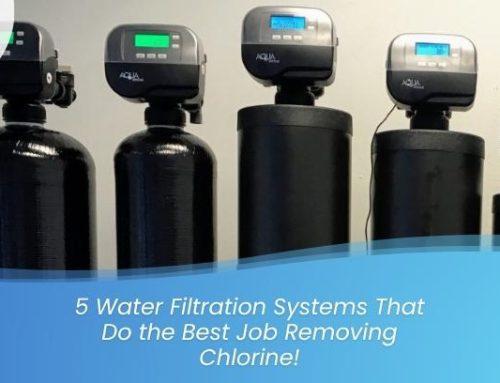
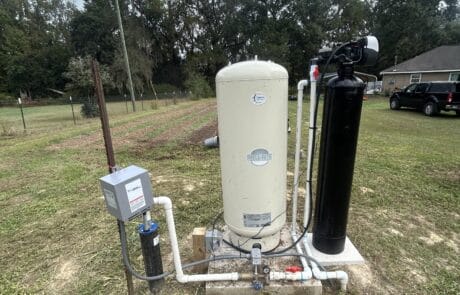
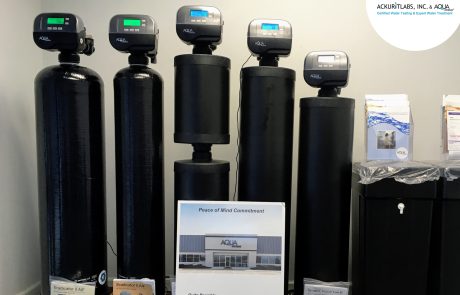
6. Whole-House Filtration Systems
- How They Work: Combine multiple technologies such as sedimentation, carbon filtration, and softening to treat all incoming water.
- Best For: Complete home protection in areas with multiple water quality concerns.
- Installation: Professional water filter installation is recommended, as these units connect to the main supply line.
Step-by-Step Process: Water Filter Installation
Implementing a residential water filtration system does not have to be overwhelming. Here is an accessible step-by-step guide focusing on Tallahassee and Crawfordville homes:
1. Test Your Water
Before choosing a filter, test your water through an accredited lab or a home testing kit. Check for:
- Lead, iron, and bacteria
- Hardness level
- Chlorine and VOCs
Understanding your unique water profile helps you select the most effective filtration solution.
2. Choose the Right System
Base your selection on your test results and personal needs. For instance:
- High chlorine taste? Choose an activated carbon filter.
- Well water with bacteria? Consider a UV unit or RO system.
- Lots of sediment? A pre-filter is essential.
3. Professional Consultation
Especially in specialized cases or whole-house systems, consult a local water filtration expert in Tallahassee or Crawfordville. They can recommend products compatible with your home's plumbing, pressure, and usage patterns.
4. Gather Tools and Supplies
For DIY installations, typical items include:
- Adjustable wrench
- Plumber's tape
- Tubing and connections specific to your filter
- Mounting brackets
- Replacement cartridges
5. Shut Off Water Supply
Always turn off the main water supply and relieve system pressure before starting installation.
6. Install the System
Follow manufacturer instructions, but typically:
- Mark the filter's installation spot, preferably near the main entry point for whole-house units or under the sink for point-of-use filters.
- Cut the pipe, install fittings, and secure the filter.
- See that the flow direction matches the markings.
7. Check for Leaks and Flush System
Turn on the water gradually and inspect connections for drips or leaks. Run water through the new filter for several minutes to clear any carbon fines or preservatives.
8. Regular Maintenance
Schedule cartridge replacements or service as per manufacturer guidelines. Keep a calendar reminder or sign up for local filter subscription services for hassle-free upkeep.
Overcoming Common Installation and Maintenance Challenges
Water filter installation in Florida's humid climate can occasionally raise unique challenges:
- Pipe Corrosion: Old pipes may be brittle. Replace corroded sections during installation.
- Hard Water: Consider a sediment pre-filter to avoid scale buildup in finer filters.
- Flood Risk: Elevate or weatherproof outdoor filtration units in flood-prone areas.
- Power Outages: Some systems like UV sterilizers require electricity, so plan for a backup power source if outages are frequent.
Water Filtration's Role in Protecting Your Home
A thoughtfully chosen water filtration system is more than a household upgrade; it is an active investment in your family's wellness. In Tallahassee and Crawfordville where unique water sources and community challenges exist, effective filtration means that every glass, shower, and wash is safer and more enjoyable.
Homeowners can rest easier knowing their water supply stands up to the test, come rain or drought, or due to aging infrastructure.
Conclusion
Securing safe, clean water in your Tallahassee Florida or Crawfordville home is no longer a matter of convenience as it is essential for health, comfort, and long-term savings. From identifying local contaminants to selecting the right filtration technology and having proper water filter installation, the process is both approachable and rewarding. By conducting a water test, consulting local professionals, and staying on top of maintenance, you transform your water from a potential risk to a daily delight.
Whether you are tackling taste issues, defending against sediment, or safeguarding your family from unseen threats, adopting these water filtration tips positions your household at the forefront of home health in North Florida.
Take action today. Start with a water test, explore your filter options, and enjoy the peace of mind that comes with cleaner, safer water at every tap. If you are unsure where to begin, reach out to a trusted water filtration specialist serving Tallahassee and Crawfordville Florida, they can help you navigate the options and bring the best solutions straight to your home!
Key Takeaways
- Prioritize Water Testing: Always begin by testing your home's water supply. Knowing your water's specific contaminants allows you to choose a filtration system that targets your real concerns rather than taking a one-size-fits-all approach.
- Choose Filtration Tailored to Local Needs: Not all filters are equal. In Tallahassee and Crawfordville, unique challenges such as mineral content, sediment, and seasonal runoff call for filtration systems designed to address regional issues.
- Consider Whole-House Filtration for Complete Coverage: If your budget allows, a whole-house filtration system protects every tap, shower, and appliance, delivering consistent quality throughout your home.
- Invest in Professional Water Filter Installation: While many filters can be installed by capable DIY-ers, significant or whole-house systems benefit from expert installation. Local professionals understand the region's water characteristics and plumbing idiosyncrasies.
- Stick to a Maintenance Schedule: Filters and cartridges lose effectiveness over time. Set reminders for regular replacements and annual servicing to keep your system performing at its best.
- Prepare for Climate and Infrastructure Challenges: North Florida's heavy rains and occasional flooding can impact outdoor filtration setups. Secure outdoor units and consider surge protection for electrically operated filters.
- Keep an Eye on Appliance and Fixture Health: Efficient filtration reduces scale buildup and corrosion, extending the serviceable life of water-dependent appliances.
- Promote Health and Comfort: Cleaner water is not just about avoiding illness; it also means better-tasting beverages, softer laundry, and less skin irritation.
- Save Money and the Environment: Proper filtration eliminates the need for bottled water, reducing household costs and plastic waste.
- Leverage Local Expertise: Tap into Tallahassee and Crawfordville's network of water filtration experts to get trusted advice, maintenance support, and the latest product recommendations.
FAQs
1. What is the primary benefit of water filtration in the Tallahassee Florida area?
The main benefit is enhanced safety and quality of drinking water. Filtration protects against contaminants common in the region, improves taste, and prolongs the life of household appliances.
2. How often should I replace my water filter cartridges?
Most cartridges need replacement every 3 to 6 months, depending on usage and water quality. Always follow the manufacturer's recommendations and keep a maintenance log to have consistent success with water filter installation.
3. Can I install a water filter myself or should I hire a professional?
DIY installation is feasible for countertop or under-sink units. Whole-house systems in Tallahassee and Crawfordville often require professional expertise to be sure of correct setup and optimal performance.
4. Do water filters remove lead and bacteria?
Reverse osmosis and certain activated carbon filters can reduce lead levels. UV sterilizers and RO systems are effective against bacteria, but always match the system to your specific water test results.
5. Are water filtration systems effective for private well water?
Absolutely. Well owners in North Florida in particular benefit from sediment, UV, and RO systems, which remove natural and human-made contaminants.
6. What are the signs my water filtration system needs servicing?
Reduced water flow, odd smells or tastes, or visible sediment are red flags. Keeping up with recommended maintenance schedules avoids performance drops.
7. How do I choose between under-sink and whole-house filtration?
Under-sink systems filter water at one tap, ideal for drinking and cooking. Whole-house units treat all incoming water, which benefits larger homes or those with multiple quality concerns.
8. Does water filtration eliminate the need for bottled water?
For most households, a well-maintained system makes tap water as safe and delicious as bottled, reducing waste and saving money over time.
9. Is it necessary to filter shower water?
Filtering shower water removes chlorine and sediment, which improves skin and hair health, a consideration for families with sensitive skin.
10. Where can I get my water tested in Tallahassee or Crawfordville?
Contact your local water utility, environmental health department, or respected water filtration companies. Many offer professional testing services tailored to regional water sources.