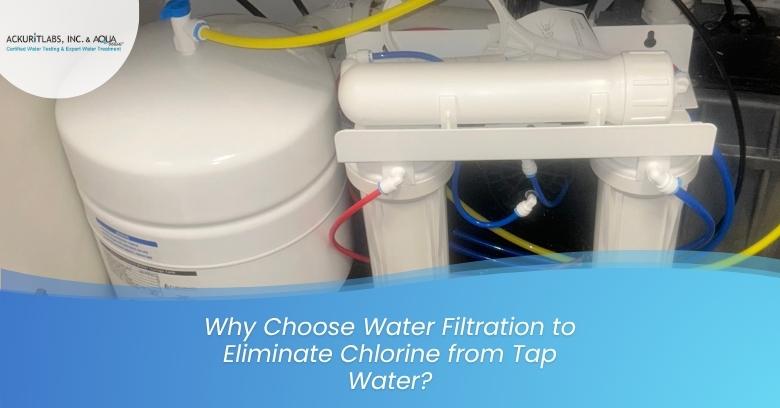
If you have ever turned on your tap and wondered what is really in your water, you are not alone, especially in sunny places like Tallahassee Florida and nearby Perry. Water is essential for our health, our homes, and our peace of mind. But with increasing concerns about contaminants such as chlorine, heavy metals, and even microscopic bacteria, more households are looking for reliable solutions that deliver their water that is truly clean and safe. The answer is a water filtration system.
Of the various options out there, reverse osmosis or RO water filtration stands out as one of the most effective and widely adopted technologies for home use. But what does a reverse osmosis system actually do? How does it work, what are its benefits, and are there any drawbacks? If you are searching for answers about water filtration in Tallahassee or in the surrounding communities like Perry Florida, this guide is for you.
Reverse osmosis systems might sound technical, but the concept is surprisingly easy to understand with the right explanation. In simplest terms, reverse osmosis is a process that pushes water through a special filter called a semi-permeable membrane to catch contaminants and leave you with high-quality, purified water. This means less worry about what you are drinking, cooking, or using for your pets and plants.
Water quality is not just about taste. It is about long-term health and even the serviceable life of your appliances. Poor water quality can contribute to everything from off-flavors and odors to the buildup of scale in your pipes and dishwashers. In places like Tallahassee and Perry where municipal water sources may be affected by weather events or changing infrastructure, having your own water filtration system adds an important layer of protection.
In the sections ahead, we will look at reverse osmosis home water filtration in everyday language, compare it to other methods, and explain the real-world pros and cons you should know before making a choice. Whether you are a first-time homeowner in Tallahassee, a multi-generational family in Perry, or simply curious about water filtration, you will find practical insights and tips for cleaner, better-tasting water right from your tap.
Let's explain reverse osmosis, show you why it is so popular in Florida homes, and help you make an empowered decision about your water filtration system - no jargon, no sales pitch, just straightforward answers.
How Reverse Osmosis Home Water Filtration Works
To really grasp the magic of reverse osmosis, think of it as a superhero for your tap water. While traditional filters like carbon filters do a solid job of removing certain particles and improving taste, they are not equipped to trap the smallest and potentially most harmful substances. That is where an RO water filtration system comes in.
1. The Science Made Simple
At its core, reverse osmosis water filtration uses pressure to force water through a semi-permeable membrane. This membrane has super-tiny pores, so small that only water molecules and a few other safe-to-drink substances can fit through. Contaminants like lead, chlorine, arsenic, fluoride, nitrates, pesticides, and even viruses and bacteria are left behind and flushed away.
Imagine making coffee with a paper filter. The water goes through, but the grounds stay put. Similarly, reverse osmosis water filtration membranes are like ultra-fine coffee filters for your drinking water, catching unwelcome grounds that you do not want in your cup.
2. Step-by-Step: What Happens Inside Your System
Let's walk through what happens when you turn on a faucet connected to a reverse osmosis filtration system:
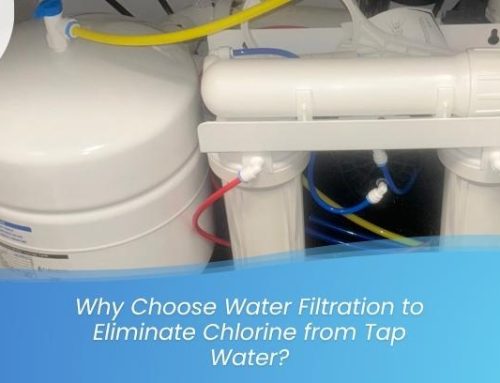
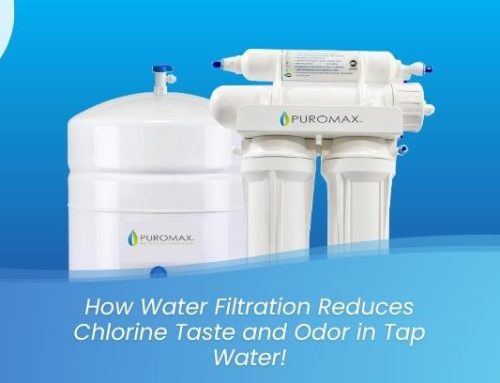
- Pre-Filtration: Water first passes through a sediment filter to capture dirt, rust, and larger debris.
- Carbon Filtration: Next, it goes through an activated carbon filter that removes chlorine and organic compounds that cause bad tastes and odors.
- Reverse Osmosis Membrane: This is where the main filtration occurs. Under pressure, water is pushed through the semi-permeable membrane and up to 99% of contaminants are removed.
- Post-Filtration: Some systems add a final carbon filter that polishes the water so that it is crystal clear and free of residual tastes.
- Storage Tank and Faucet: Purified water is stored in a dedicated tank and sent to a special faucet at your sink when needed.
3. What Does Reverse Osmosis Remove?
RO systems are renowned for their effectiveness. They can significantly reduce or remove:
- Dissolved salts and minerals or TDS
- Lead, mercury, chromium, and other heavy metals
- Fluoride and arsenic
- Nitrates and nitrites
- Microorganisms like bacteria and viruses
- Chemical contaminants including some pesticides and pharmaceuticals
- Chlorine and chloramines
This makes reverse osmosis water filtration a top choice for households seeking the purest possible water, especially important in regions where municipal treatment can sometimes leave trace contaminants.
Why Use Water Filtration Tallahassee and Perry Florida
Water in Florida including Tallahassee, Perry, and other nearby towns often comes from a combination of surface water like lakes pr rivers and underground aquifers. These sources can be affected by agricultural runoff, hurricanes, aging pipes, and naturally occurring minerals.
Unique Local Concerns
- Hardness: Many homes in Tallahassee and Perry experience hard water, meaning it contains high levels of calcium and magnesium. Hard water is not dangerous, but it can cause scale buildup, shorten appliance serviceable life, and make soaps less effective.
- Chlorine Taste: Municipal supplies are usually chlorinated for safety, but chlorine can affect water taste and over time, react with organic matter to form potentially harmful byproducts.
- Iron and Sulfur: Underground sources sometimes deliver water with high iron or sulfur content, leading to reddish staining or that familiar rotten egg smell.
- Contaminant Spikes: After heavy rains or floods which are not uncommon in Florida, contaminants like nitrates or bacteria can temporarily rise, making advanced filtration especially valuable.
Given these regional challenges, it is no surprise many households in Tallahassee Florida and Perry are investing in resilient water filtration systems like reverse osmosis for peace of mind.
Pros and Cons of Reverse Osmosis Water Filtration Systems
Like any solution, reverse osmosis systems have strengths and trade-offs. Let's look at both sides, especially for families considering water filtration in Tallahassee or Perry Florida or anywhere else in the state.
Pros
- Exceptional Purity: RO removes far more contaminants than basic filters including lead, arsenic, fluoride, and many bacteria/viruses.
- Improved Taste and Odor: Say goodbye to earthy, metallic, or chlorine-tinged water.
- Peace of Mind: Especially important for families with infants, older people, or anyone with sensitive health.
- Protects Appliances: By reducing mineral buildup, RO extends the serviceable life of ice makers, coffee makers, and other devices.
- Customizable: Many systems allow for add-ons like remineralizers to match your specific water needs.
Cons
- Water Waste: The RO process produces some wastewater of typically 3 to 4 gallons for every gallon purified. Newer systems are improving efficiency, but it is a consideration, especially during drought.
- Removes Beneficial Minerals: Along with contaminants, helpful minerals such as calcium and magnesium are filtered out. Some users install remineralization cartridges to address this.
- Slower Output: RO systems deliver water more slowly than unfiltered taps, though most include a storage tank to offset this.
- Cost: Initial installation can be higher than basic filters, though long-term maintenance is affordable.
- Maintenance Required: Regular filter changes every 6 to 12 months and annual membrane replacement are a must for peak performance.
Applications and Sector Impacts
Reverse osmosis is not just for kitchens and it is making waves in homes, businesses, and even public spaces.
- Homeowners: The most common application is under-sink installation for drinking and cooking water. Some opt for whole-house systems, though these are costlier.
- Restaurants and Cafes: Businesses rely on RO to guarantee safe ice, coffee, and food prep, enhancing taste and customer satisfaction.
- Medical Facilities: Hospitals and clinics use RO for sterilization and patient care, where ultra-pure water is essential.
- Schools and Offices: Installing RO units can improve water quality for students and staff, reducing bottled water waste.
- Agriculture: Even farms in Florida are adopting RO to make sure that water for sensitive crops and livestock is clean and low in unwanted chemicals.
The broader impact? Cleaner water not only protects individual health but also reduces reliance on bottled water, which is good news for the planet. In regions like Tallahassee and Perry, investing in a reliable water filtration system is a smart move for public and private well-being.
Conclusion
Understanding how reverse osmosis water filtration works is the first step in making an informed choice for your home or business in Tallahassee Florida, neighboring Perry, or anywhere in the region. While it may sound high-tech, the process is straightforward: water is forced through an advanced membrane, trapping almost all contaminants and leaving you with clear, great-tasting water every time you turn on the tap.
Modern life presents plenty of environmental and infrastructure challenges, but taking control of your water quality does not have to be one of them. Reverse osmosis water filtration systems offer a balance of purity, convenience, and peace of mind, making them a leading choice for discerning families, businesses, and institutions alike.
If you value crisp, clean water and want to protect your household and appliances from the drawbacks of unfiltered tap water, consider upgrading to a reverse osmosis water filtration system. Not only is it a practical investment in your health and comfort, but it is also a way to boost your property's value and sustainability.
Ready to enjoy safer, tastier water at home in Tallahassee or Perry Florida? Reach out to a local water filtration specialist or trusted installer today, and take the next step toward worry-free hydration!
Key Takeaways
- Reverse osmosis delivers superior water purity. By forcing water through a semi-permeable membrane, RO systems remove a wide range of contaminants, far more than standard pitchers or faucet filters. This means you are drinking water with almost no dissolved solids, heavy metals, or chlorine.
- Pre-filtration and post-filtration matter. Sediment and carbon filters in a water filtration system protect the RO membrane and remove chlorine, sediments, and bad tastes before and after the main filtration step. Always choose a system with these stages for best results.
- Regular maintenance provides safety. To keep your RO system effective, change filters every 6 to 12 months and the membrane annually. Regular servicing means every glass of water is as pure as the first.
- Consider remineralization for taste. If you find RO-purified water tastes flat, look for systems that add healthy minerals back in. This helps balance taste preferences so that your body still gets important nutrients naturally found in water.
- Installation is straightforward, but professional help is ideal. Under-sink water filtration systems are designed for home installation, but hiring a certified pro helps prevent leaks and addresses local water conditions in Tallahassee or Perry.
- Reverse osmosis reduces bottled water use. With pure, delicious-tasting water on tap, you will be less tempted to buy bottled water, saving money and cutting down on plastic waste.
- Customization options abound. RO systems can be tailored to the unique water conditions in Tallahassee and Perry Florida with add-ons like UV sterilizers, pH balancers, and larger storage tanks to match your needs.
- Modern systems minimize water waste. While traditional RO systems discharged more wastewater, today's advanced models are more efficient, some waste very little compared to older systems.
- RO is suitable for diverse sectors. From family kitchens to restaurants, medical settings, and schools, reverse osmosis water filtration can provide reliable, safe water wherever needed.
- Local water analysis is invaluable. Before installing a water filtration system, consider having your water tested. This helps determine which contaminants to target and sees that the system you choose is truly effective for your area.
FAQs
1. What is reverse osmosis in water filtration?
Reverse osmosis is a water purification process where water is pushed through a semi-permeable membrane to remove contaminants such as chlorine, heavy metals, bacteria, and more. It is one of the most effective home water filtration systems available, especially for areas like Tallahassee Florida.
2. What does a reverse osmosis water filtration system remove?
An RO system removes up to 99% of dissolved salts, lead, mercury, arsenic, fluoride, nitrates, pesticides, bacteria, viruses, and other unwanted contaminants, making it ideal for ensuring safe water in both Tallahassee and Perry Florida.
3. Is reverse osmosis better than a standard water filter?
Yes, because it filters out more contaminants than basic carbon or sediment filters. For homeowners in Tallahassee and Perry looking for the purest water, reverse osmosis systems are superior to most alternatives.
4. Does reverse osmosis water taste better?
Absolutely! By removing the impurities that cause bad tastes and odors, RO water is known for its clean, crisp flavor, which is a big plus for cooking and drinking.
5. Will reverse osmosis work for hard water in Tallahassee or Perry?
While RO systems reduce mineral content, very hard water may require a water softener in addition to RO. Many local installers recommend pairing a softener with a water filtration system for optimal results.
6. How much maintenance does a reverse osmosis system require?
You will need to replace pre and post-filters every 6 to 12 months and the RO membrane every 1 to 2 years. Maintenance is relatively simple but crucial for safe, consistent filtration.
7. Does reverse osmosis remove beneficial minerals?
Yes, it removes both unwanted contaminants and some healthy minerals. If this is a concern, opt for a system with a remineralization stage to add calcium and magnesium back into your water.
8. Is there wastewater with reverse osmosis systems?
Traditional systems can produce several gallons of wastewater for every gallon filtered. However, modern RO systems are much more efficient, reducing waste significantly, something to look for when shopping for water filtration in Florida.
9. Can I install a reverse osmosis system myself?
Many systems are designed for DIY installation, but hiring a professional offers proper setup, especially if your area's water like in Tallahassee or Perry has special requirements.
10. How do I choose the right water filtration system for my location?
Start with a water test to identify specific local contaminants. Then consult with a knowledgeable dealer or technician familiar with Tallahassee and Perry's water challenges to choose and customize the right reverse osmosis system for your needs.