Every glass of tap water tells a story about the treatment process it went through before reaching a faucet. For most municipal water systems, that story includes chlorine, a disinfectant added to kill bacteria, viruses, and other pathogens that could otherwise make people sick. Chlorine has done a tremendous amount of good for public health over the past century, virtually eliminating waterborne diseases that once devastated communities. But the same chemical that protects against dangerous microorganisms also leaves behind a taste, odor, and set of byproducts that many homeowners would rather not drink or bathe in every day.
This concern has become more pressing in recent years as residents pay closer attention to what flows from their taps. People are reading more about disinfection byproducts, researching the long-term effects of chlorine exposure, and asking whether there is a better way to enjoy clean water without the chemical aftertaste. For families in Tallahassee Florida and surrounding areas including Woodville, this question carries extra weight because the region mixes municipal supplies and private wells, each with its own water chemistry challenges.
This article explains how chlorine ends up in tap water in the first place, the health and lifestyle concerns it raises, and why water filtration has become the preferred solution for homeowners and business owners who want better-tasting, cleaner water without sacrificing safety. It also covers what a proper water filter installation involves and why working with a certified water testing and treatment provider makes all the difference.
Understanding Why Chlorine Is in Your Water
Municipal water treatment plants add chlorine because it is effective, inexpensive, and long-lasting compared to other disinfection methods. Once it enters the distribution system, chlorine continues working as water travels through miles of pipes, protecting against bacterial regrowth until it reaches individual homes and businesses. Without this residual protection, water quality could degrade significantly between the treatment plant and the tap.
The tradeoff is that chlorine reacts with organic matter naturally present in water sources, such as decaying leaves or algae, to form compounds called trihalomethanes and haloacetic acids. Researchers have studied these disinfection byproducts extensively and regulatory bodies have set thresholds for their allowable levels in treated water. While utilities work to stay within these limits, the levels can still be noticeable enough to affect taste as well as smell and some homeowners prefer to reduce their exposure even further through household water filtration.
Common Complaints From Chlorinated Tap Water
Homeowners frequently report a handful of recurring issues tied to chlorinated water:
- A sharp, chemical taste that makes drinking water directly from the tap unpleasant
- A noticeable swimming-pool-like odor, especially when water is heated for showers or cooking
- Dry skin and irritated eyes after bathing, particularly for people with sensitive skin
- Faded colors in clothing washed repeatedly in chlorinated water
- A lingering aftertaste in coffee, tea, and ice cubes made from tap water
These complaints are rarely dangerous on their own, but they add up to a daily inconvenience that many people do not realize they can fix until they learn more about residential water filtration options.
Why Water Filtration Is the Right Answer
Boiling water does not remove chlorine effectively and can even concentrate other minerals. Letting a glass of water sit out overnight helps chlorine dissipate somewhat, but it is impractical for everyday use and does nothing for the water used in showers, dishwashers, or laundry. That is why water filtration remains the most consistent, practical way to remove chlorine and its byproducts from both drinking water and your household water supply.
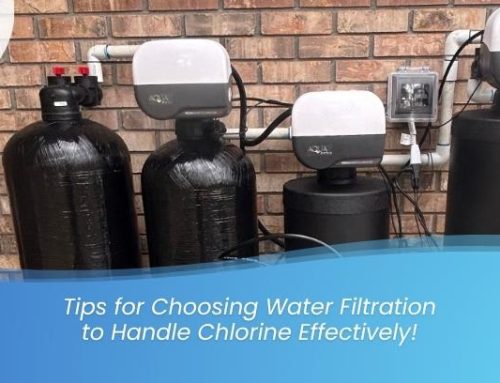
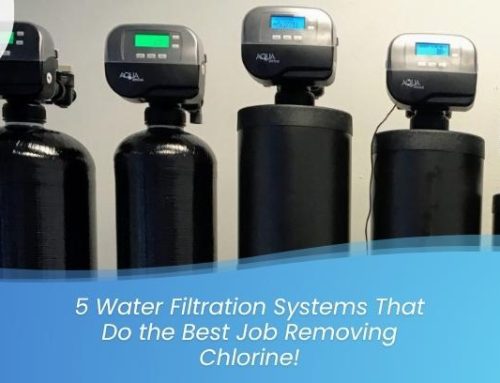
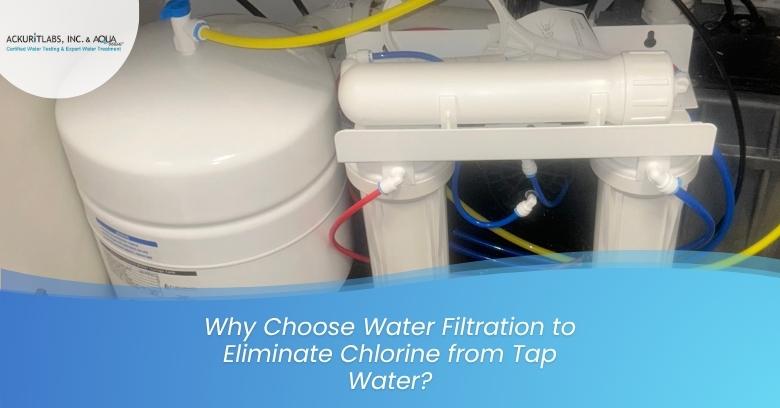
Modern water filtration systems use activated carbon, catalytic carbon, or a combination of filtration media designed specifically to bind with chlorine molecules and disinfection byproducts, pulling them out of the water stream before they reach a faucet or showerhead. Unlike single-use pitcher filters, whole-house water filtration treats water where it enters the building, so every tap, shower, and appliance benefits from cleaner, better-tasting water.
Key Benefits Homeowners Notice After Installation
- Improved taste and smell in drinking water, coffee, and cooking
- Softer-feeling skin and hair after showering, since chlorine is no longer stripping natural oils
- Longer-lasting clothing and linens due to reduced chemical exposure during washing
- Extended serviceable life for water heaters and appliances, as some filtration setups also address scale buildup
- Peace of mind knowing disinfection byproducts are being reduced at the source
For many households, the decision to invest in water filtration comes down to comfort and long-term value. Removing chlorine does not just improve taste; it changes the daily experience of using water throughout the home.
Water Quality Considerations Specific to the Tallahassee Area
Water chemistry is not uniform across every neighborhood, which is why local knowledge matters when choosing a treatment approach. Homes in Tallahassee Florida often draw from the same municipal supply, but pipe age, water pressure, and even proximity to the treatment plant can influence how much chlorine taste and odor a household actually experiences. Meanwhile, many properties in Woodville rely on private wells rather than municipal water, which means chlorine may not be the primary concern; instead, well owners often deal with iron, sulfur, hardness minerals, or bacterial contamination that requires a different filtration strategy altogether.
This is where testing before treatment becomes essential. A water filtration system designed for chlorinated municipal water looks different from one designed for a well in Woodville Florida dealing with naturally occurring minerals or organic compounds. Choosing the wrong setup wastes money and fails to solve the actual problem. That is why a combined approach of laboratory testing and tailored water filtration works so much better than a one-size-fits-all filter purchased off a shelf.
Why Local Expertise Matters for Water Filtration in Tallahassee and Woodville
Homeowners searching for water filtration in Tallahassee and Woodville benefit from working with a provider that understands the regional water supply firsthand. A few reasons local knowledge makes a measurable difference:
- Municipal water sources vary in chlorine dosing schedules, so recommendations should reflect current local treatment practices rather than generic assumptions.
- Well water is common throughout Woodville Florida and often requires additional testing for iron, manganese, and microbial content before recommending any water filtration equipment.
- Seasonal changes in Florida, including heavy rainfall and warmer temperatures, can affect organic matter levels in source water, which in turn affects chlorine byproduct formation.
- Local providers can respond quickly for follow-up service, filter changes, or troubleshooting rather than requiring homeowners to wait on a distant call center.
This regional understanding is a major reason water filtration and Tallahassee Florida area households pair so naturally and why water filtration and Woodville Florida properties require a slightly different conversation focused on well water quality rather than municipal disinfection byproducts.
What to Expect During Water Filter Installation
Deciding to remove chlorine from tap water is only the first step. Next, understand what water filter installation involves so there are no surprises when a technician arrives.
The Typical Process
- Water testing first. Before installing any equipment, a proper water sample should be analyzed to confirm chlorine levels, pH, hardness, and any other contaminants present. This step prevents guesswork so that the selected system matches the water's actual chemistry.
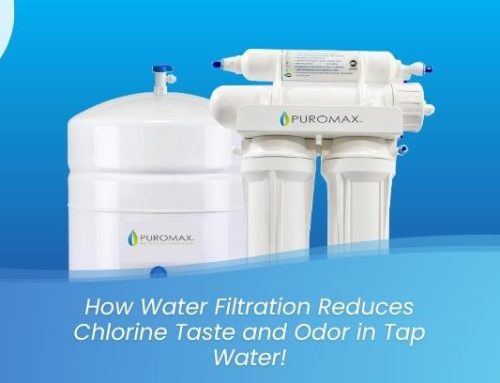
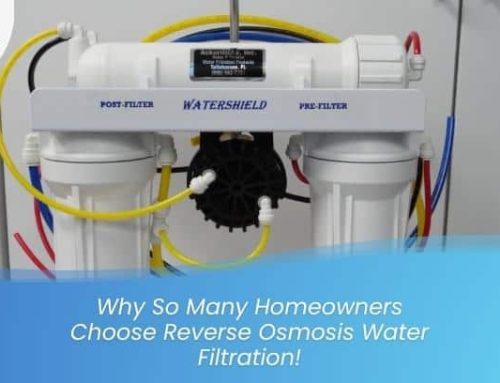
- System selection. Based on the test results, a technician recommends a water filtration setup, whether that is a whole-house carbon filter, a reverse osmosis unit for drinking water, or a combination system that addresses multiple issues at once.
- Installation at the point of entry. For whole-house protection, the filtration unit is typically installed where the main water line enters the building so that treated water reaches every fixture.
- Testing after installation. A quality provider retests the water after the system is running to confirm chlorine and other target contaminants have been reduced to the expected levels.
- Ongoing maintenance guidance. Filters need periodic replacement and a good installer will explain the schedule clearly so performance does not quietly decline over time.
Homeowners considering water filter installation in Tallahassee ;or Woodville Florida& should expect this same structured process: testing, tailored recommendations, professional installation, and follow-up verification. The same holds true for water filter installation in Woodville Florida, though the testing phase there often includes a broader panel because of the area's prevalence of private wells.
Signs It Might Be Time to Schedule an Installation
Homeowners often wait too long to address chlorine taste and odor issues simply because they assume it is normal. A few signs suggest it is worth scheduling a consultation sooner rather than later:
- Water consistently smells like a swimming pool, even right after running the tap
- Family members avoid drinking tap water and rely entirely on bottled water instead
- Skin and hair often feel dry or irritated after showering
- Recent plumbing changes or a new home purchase with unknown water quality history
- A well on the property has never been professionally tested
Any one of these situations is a reasonable basis to request testing and discuss whether water filtration makes sense for the property.
The Value of Pairing Testing With Treatment
A recurring theme in water quality conversations is that testing and treatment work best together, not as separate and disconnected services. Water filter installation done without first understanding the water's actual composition is a bit like prescribing medication without a diagnosis. It might help, but it also might miss the real issue entirely, whether that is excess chlorine, hardness minerals, iron, or something else specific to a property's water source.
A lab-based approach, backed by chemists and microbiologists who understand both water chemistry and the practical side of treatment equipment, gives homeowners confidence that the recommended system will solve their problem. This is especially valuable for anyone comparing water filtration options for the first time and unsure which type of system fits their situation. Rather than guessing based on marketing claims from a retail filter display, a tested and verified approach removes the uncertainty.
Conclusion
Chlorine plays an important role in keeping municipal water safe, but homeowners do not have to tolerate its taste, odor, or the disinfection byproducts it leaves behind. Water filtration offers a practical, proven way to remove chlorine at the source, improving everything from drinking water quality to the way showers feel every morning. Whether a property sits on municipal supply in Tallahassee Florida or draws from a private well in Woodville, the right solution starts with accurate testing and continues with a properly matched, professionally installed filtration system.
Homeowners who have been putting off this decision should treat it as a priority now, since ongoing exposure to chlorine byproducts and the daily inconvenience of poor-tasting water are problems with a straightforward, lasting fix. Taking the first step, whether that is a water sample test or a conversation about water filter installation options, is far easier than continuing to live with water that nobody in the household actually enjoys drinking!
Key Takeaways
- Municipal water gets chlorine for disinfection, but it can leave behind noticeable taste, odor, and byproducts that many homeowners want to reduce.
- Whole-house filtration systems treat water at the point of entry, improving water quality at every faucet, shower, and appliance rather than just one tap.
- Well water and municipal water require different testing and treatment approaches, so a property's specific water source should guide the equipment selected.
- Professional installation includes testing before and after the system is set up to confirm that chlorine and other contaminants have actually been reduced.
- Ongoing filter maintenance is necessary to keep a filtration system performing as expected over time.
- Pairing laboratory water testing with tailored treatment recommendations leads to better outcomes than purchasing generic filtration equipment without first understanding water chemistry.
Frequently Asked Questions
Does boiling water remove chlorine?
Boiling water reduces some chlorine but is not a reliable or practical everyday solution. It can also concentrate other minerals left behind as water evaporates, and it does nothing for water used in showers or laundry, which is why a dedicated filtration system is far more effective for whole-home use.
How do I know if my tap water has too much chlorine?
The most noticeable signs are a strong chemical taste or a pool-like smell, especially in warm water. A water test provides an exact chlorine reading, so you do not have to rely on smell or taste alone, which can vary with water temperature and personal sensitivity.
Is chlorine in tap water actually harmful?
At the levels used by municipal treatment plants, chlorine is regulated to stay within safety limits, but some people are still sensitive to its taste, smell, or effects on skin and hair. Reducing chlorine exposure through filtration is generally a comfort and quality-of-life decision rather than an emergency safety measure, though some households also want to minimize long-term exposure to disinfection byproducts.
What type of filter is best for removing chlorine?
Activated carbon and catalytic carbon filters are widely considered the most effective media for removing chlorine and its byproducts. The right choice depends on water flow needs, household size, and whether you also need to address other contaminants, which is why testing beforehand is so important.
How long does water filter installation take?
Most residential installations can be completed within a few hours once the system is selected and the water is tested. More complex setups, such as those addressing multiple contaminants or serving larger properties, may take longer to complete properly.
Can well water in Tallahassee or Woodville Florida be treated the same way as city water?
Not exactly, since well water often contains different contaminants than municipal supplies. Wells in the Tallahassee and Woodville areas often require testing for iron, sulfur, hardness, and bacteria in addition to any chlorine-related concerns. As a result, treatment recommendations are typically more customized than a standard municipal filtration setup.
How often do water filters need to be replaced?
Replacement schedules depend on the filter type and household water usage, but most carbon filters need changing every few months to a year. A professional installer can provide a specific maintenance schedule based on the exact system installed and local water conditions.
Is a whole-house system better than a filter attached to a single faucet?
Whole-house systems treat water at the point of entry, so every fixture in the home benefits, including showers and laundry connections. A single-faucet filter only treats drinking water at that one location, leaving the rest of the home's water untreated.
Can I bring in a water sample for testing before deciding on a system?
Yes, bringing in a water sample allows for a quick assessment of hardness and other basic quality indicators before committing to a larger testing panel or treatment plan. This step gives homeowners an immediate sense of their water quality and helps guide the conversation about which filtration approach makes sense.