Clean, safe water is something most of us take for granted until we start to question what is actually coming out of our taps. If you live in Tallahassee Florida or the nearby community of Perry, you may have heard stories or noticed taste, odor, or staining issues with your water. Whether you rely on city water, well water, or a private supply, contaminants and impurities can make their way into your home in ways you do not always expect. This is not just about the water's taste or smell as it is about safeguarding your family's health and having peace of mind every time you turn on the faucet.
Understanding your local water quality is a vital first step in protecting your home and loved ones. While Tallahassee and Perry Florida benefit from quality-controlled municipal sources, many residents wonder about the hidden contaminants in their water supply such as chlorine, lead, iron, bacteria, and even agricultural runoff. Florida's unique geology, with its abundant limestone aquifers, can sometimes mean elevated mineral content and the potential for naturally occurring contaminants, too.
Today&'s conversation about water safety has only intensified as awareness grows. We are learning that even trace levels of contaminants can have long-term implications for health and household appliances. Water filtration has thus become a hot topic in North Florida, drawing attention from homeowners and health authorities alike. From simple pitcher filters to advanced, whole-house water filtration systems, the options abound but so do the questions. What is really in your water supply? How do you accurately test it? And which water filtration solution will actually solve your specific water worries?
If you are concerned about the water in your Tallahassee or Perry home, you are not alone. This comprehensive guide will walk you through everything you need to know about evaluating your local water supply, including what to look for, how to test, and what water filtration system might best fit your needs. We will examine the advantages and considerations of each approach, reveal how regional water conditions affect your choices, and help you make informed, confident decisions. It is not about fear; it is about knowledge and proactive solutions.
So let's get started on the path to finding out what is really in your Florida home water supply and how to be sure your water is as clean, safe, and delicious as it should be.
Understanding Water Quality in Tallahassee and Perry Florida
Living in North Florida, you are surrounded by beautiful lakes, rivers, and springs. But do not let the natural beauty fool you into thinking all water sources are pristine. Even municipal water, treated to federal and state standards, can occasionally harbor contaminants or undesirable characteristics. Meanwhile, well water is more susceptible to localized pollution and can present unique challenges in Tallahassee and Perry.
Typical Water Concerns in Florida Homes
Let's break down some of the most common water quality issues faced by Floridians:
- Hard Water: North Florida's limestone-rich aquifers lead to high mineral content, often calcium and magnesium. Hard water can cause scaling, soap inefficiency, and damage to appliances.
- Chlorine and Chloramines: Used in municipal treatment for disinfection, these chemicals can leave water tasting and smelling unpleasant and may dry out skin and hair.
- Iron and Sulfur: Well water is notorious for iron stains and that rotten-egg sulfur odor, especially in rural areas around Perry Florida.
- Bacteria and Microbes: Private wells without regular testing are vulnerable to bacterial contamination from runoff or septic system leaks.
- Lead and Heavy Metals: Aging pipes in older homes or even in parts of Tallahassee's infrastructure can release metals into tap water.
- Pesticides and Agricultural Runoff: Surrounding farmland may contribute trace amounts of pesticides, herbicides, and fertilizer residues to local groundwater.
Each of these concerns brings a different risk profile and may influence which water filtration system is right for your needs.
How Your Water Source Makes a Difference
Are you on city water or a private well? Here is why it matters:
- City Water in Tallahassee and Perry: Generally treated and safe, but may still contain chlorine, chloramine, trace metals, or low levels of regulated contaminants. City water reports are available annually, but specifics can vary between neighborhoods.
- Private Wells: These are not regulated by the city. You are responsible for testing and maintenance. Wells can be affected by local geology, rainfall, nearby industry or agriculture, and aging equipment.
It is crucial to understand not just what is broadly true for Florida, but what is going on in your own house.
How to Test What Is in Your Water
Before investing in any water filtration system, you need to know exactly what is coming out of your tap. Effective testing is the foundation of good water filtration choices, a bit like seeing the doctor before getting a prescription.
1. Review Your Annual Water Quality Report
For those on municipal water in Tallahassee Florida or nearby Perry, start with your Consumer Confidence Report (CCR), which is typically mailed each year or available online through your water provider's website. It details detected contaminants, their levels, and compliance with safety standards. Yet it covers the supply, not what might happen in the pipes between the water plant and your house.
2. Conduct Home Water Testing
Nothing beats a test at your tap. You have a few options:
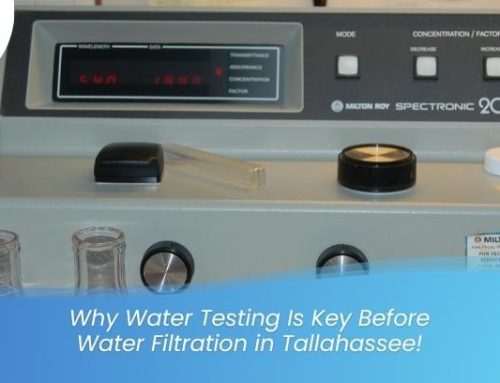
- DIY Home Testing Kits: Available at hardware stores or online. These kits check for hardness, chlorine, iron, pH, bacteria, lead, nitrates, and sometimes other contaminants. Results are available in minutes to hours and are typically user-friendly.
- Professional Water Testing: Local labs or water treatment specialists offer in-depth analysis, providing detailed breakdowns of chemical, heavy metal, and microbial contamination. Especially recommended if you are using well water or suspect specific problems.
3. Recognize Visual and Sensory Clues
Do not ignore the evidence you can see, smell, or taste:
- Rusty or greenish stains: Often indicate iron or copper.
- Cloudiness or particles: Could be sediment, minerals, or microbial growth.
- Odors: Chlorine like a swimming pool or rotten-egg smells are common flags.
While sensory cues alone are not diagnostic, they often point you toward the right test or solution.
4. Understand Test Results
Test results will show levels of specific contaminants. Compare these results against EPA standards or Florida Department of Environmental Protection guidelines. Some findings like iron or hardness are nuisance issues, while others such as lead or bacteria merit immediate action.
How Water Filtration Can Solve Local Problems
Water filtration is not a one-size-fits-all proposition. Different technologies target specific problems, so it is critical to match your solution to your unique water quality challenges in Tallahassee, Perry, or anywhere in Florida.
Types of Water Filtration Systems
- Activated Carbon Filters: Excellent for removing chlorine, chloramines, unpleasant tastes and odors, and certain chemicals. Common in pitcher filters, faucet attachments, and whole-house units.
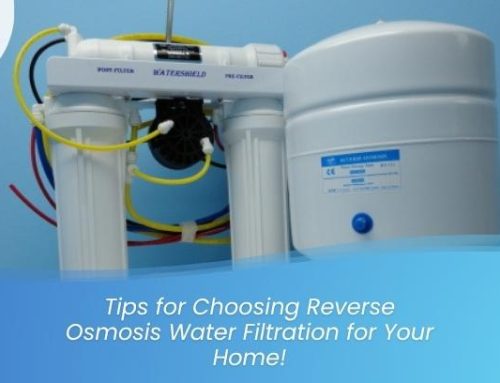
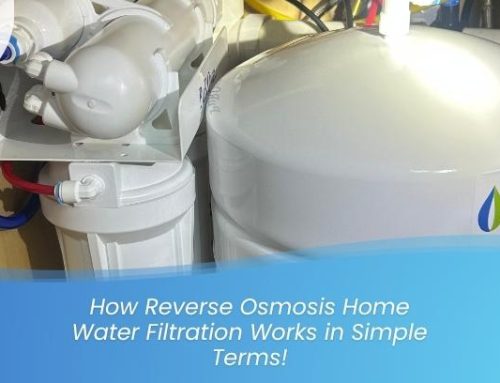
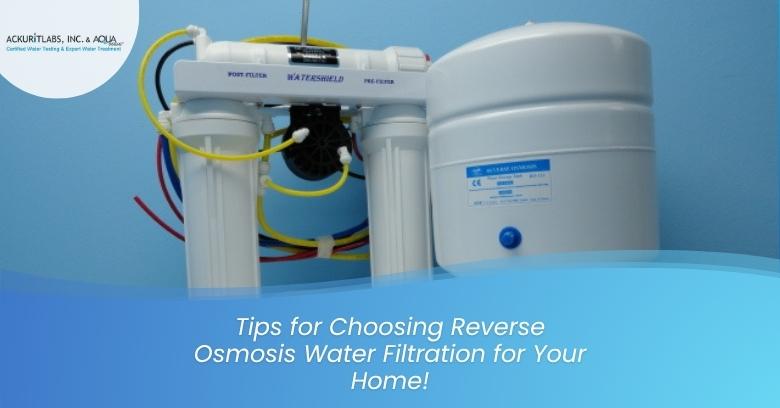
- Reverse Osmosis (RO): Removes a wide range of contaminants, including heavy metals, salts, and some bacteria/viruses. Usually installed under the sink for drinking water.
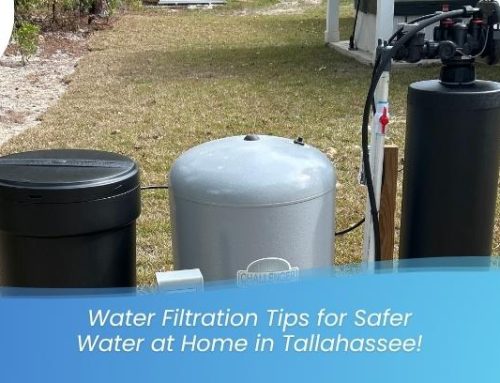
- Water Softeners: Specifically designed to reduce hardness such as calcium/magnesium, protecting appliances and improving soap efficiency.
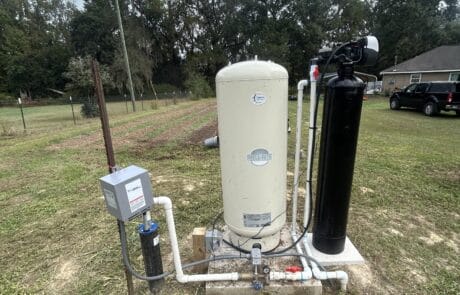
- Iron/Sulfur Filters: Tailored to well water issues, these systems remove iron stains and sulfur odors common in Perry and rural areas.
- UV Disinfection: Neutralizes bacteria, viruses, and protozoa, not chemicals or metals. Often a supplement to other systems for well users.
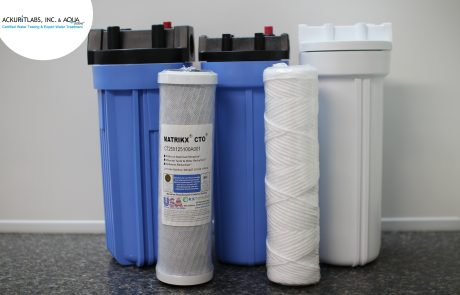
- Sediment Filters: Remove dirt, sand, and particulates, an essential pre-filter for households with visible water cloudiness or private wells.
Choosing the Right System for Your Home
This is where your test results come in handy:
- For Hard Water: Install a water softener system to protect plumbing and appliances.
- For Chlorine/Chloramine Taste and Odor: Carbon-based whole-house or drinking water filters are ideal.
- For Lead or Heavy Metals: Reverse osmosis or specific cartridges certified for metal reduction work best.
- For Bacteria or Viruses in Private Wells: Combine a UV filter with other filtration for comprehensive protection.
- For Iron and Sulfur: Look for iron/sulfur combo filters tailored to Florida's well water challenges.
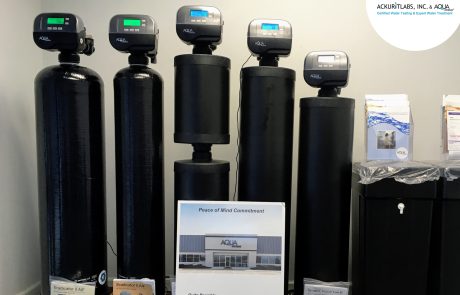
In Tallahassee and Perry, many homeowners benefit from a combination approach such as pairing a whole-house carbon filter with a point-of-use RO water filtration system in the kitchen or integrating a softener with iron/sulfur removal for well users.
Installation and Maintenance Matters
- Professional Installation: Provides proper sizing and optimal placement while avoiding plumbing complications.
- Regular Maintenance: Filters and membranes require periodic replacement monthly to annually, depending on system and usage. Neglecting maintenance can reduce effectiveness or even worsen water quality.
- Monitoring: Periodic retesting is wise, especially after major weather events, new construction in the neighborhood, or simply after a couple of years of use.
The Pros and Cons of Different Filtration Solutions
Let's look at the key benefits and limitations of common water filtration systems for Tallahassee and Perry homeowners:
Whole-House Systems
- Pros: Treat all water entering your home; great for chlorine, taste/odor, sediment, hardness if equipped with a softener, and iron.
- Cons: Initial cost is higher; needs professional installation; may not address all contaminants including lead or bacteria.
Point-of-Use Filters such as Under-Sink or Countertop
- Pros: Cost-effective; easy to install/replace; excellent for drinking/cooking water; RO can remove a broad range of contaminants.
- Cons: Only treat water at one tap; RO systems waste a few gallons for every purified gallon; filters require timely replacement.
Pitcher and Faucet Filters
- Pros: Affordable and simple; ideal for renters or small households; improves taste quickly.
- Cons: Limited capacity; frequent refills/filter changes; not effective against all contaminants.
Specialized Filters For Iron, Sulfur, or UV
- Pros: Address unique local water problems; can be tailored to well-water conditions found around Perry, Florida.
- Cons: Targeted solution, will not address unrelated issues such as UV, will not remove metals, and an iron filter will not kill bacteria.
Bottled Water and Delivery
- Pros: Immediate solution for known contamination events.
- Cons: Expensive over time; plastic bottle usage bad for the environment; not a practical long-term fix.
The Impact of Water Quality on Your Home and Health
Safe water is not just about what you drink; it is also about the health of your home:
- Appliance Serviceable Life: Hard water and minerals shorten the serviceable life of water heaters, dishwashers, and washing machines.
- Plumbing Integrity: Mineral scale and corrosion from acidic water or metals can cause leaks and clogs.
- Skin and Hair Health: Chlorine and hard water can lead to dry skin and brittle hair, and can aggravate eczema or allergies.
- Clothing and Dishes: Soft, filtered water prevents spots on dishes and keeps laundry brighter.
- Peace of Mind: Knowing your water is clean means one less thing to worry about in your busy life in Tallahassee or Perry.
Water Filtration Systems in Tallahassee and Perry Florida
Let's talk practical application. In Tallahassee Florida with its mix of city water and private wells, a whole-house carbon filter paired with a water softener is a popular water filtration solution, particularly in neighborhoods with noticeable hardness and chlorine taste. Many homeowners also add an under-sink RO system for pure drinking water.
In Perry and more rural areas, iron and sulfur filters are often considered essential for well owners, sometimes combined with UV sterilization if bacterial contamination is a risk. Local water treatment professionals can recommend systems based on well logs, previous test results, and even neighboring properties.
With so many great options, the best move is to take your time, start with good data from test results, and consult with local experts familiar with North Florida's unique water challenges.
Conclusion
Water quality awareness is rising across Tallahassee, Perry, and the entire state of Florida and for good reason. While our region boasts some of the best natural water resources anywhere, the reality is that every home's water supply can develop unique challenges, from nuisance minerals to health-threatening contaminants. Understanding what is truly in your water starts with testing, a straightforward, empowering step that makes certain that every filtration decision you make is a smart one for your home and family.
Water filtration systems today address nearly every problem you might discover, whether you need to tackle hard water, improve taste, remove bacteria, or safeguard against heavy metals. The key is to match the right filter to the right contaminants, relying on clear test results and expert advice. Investing in the right water filtration solutions for your Tallahassee or Perry Florida home means cleaner water for drinking, bathing, and cooking as well as protects everything from your health to your appliances.
Do not wait until a problem becomes a crisis. Take proactive steps to find out what is really in your home's water supply and take control of your family's hydration, comfort, and health. If you are ready to explore water testing or the best water filtration systems for North Florida, get in touch with a local professional for a customized assessment and recommendation. Your water and your peace of mind are worth it!
Key Takeaways
- Test First, Filter Later: Always start with an accurate water test for your home in Tallahassee or Perry. Test results provide the blueprint for choosing the right water filtration system.
- Understand Local Water Challenges: Florida's limestone aquifers bring mineral hardness, while rural areas face iron, sulfur, and bacteria concerns. City water users also contend with chlorine, chloramines, and potential aging in the pipes.
- Tailor the Solution to the Problem: Choose filtration based on your specific needs such as carbon for taste/odor, softeners for hard water, RO for broad contaminant removal, and UV for disinfection.
- Consider Ongoing Maintenance: Even the best water filtration systems require periodic filter changes and regular monitoring. Skipping maintenance can undermine all your efforts.
- Do Not Overlook Plumbing and Appliances: Clean water extends the serviceable life of water heaters, dishwashers, washing machines, and plumbing fixtures by preventing scale, corrosion, and staining.
- Consult Local Experts: Water treatment professionals in Tallahassee and Perry understand the region's unique water supply challenges and can offer practical, tailored solutions.
- Address Both Health and Comfort: Removing contaminants is about health, but improving taste, odor, and skin/hair comfort also enhances daily life.
- Check for Updates After Environmental Events: Severe storms, floods, or new development can alter your water quality, so retest if your water changes color, odor, or taste.
- Split Filtration for Best Results: Many homes use a combination of whole-house filtration for general issues and point-of-use RO systems for drinking water.
- Stay Informed and Empowered: Annual CCR reports, periodic retesting, and an understanding of your water's origin keep you informed and in control.
FAQs
1. How can I test my home's water supply in Tallahassee or Perry Florida?
You can use DIY water testing kits available at home improvement stores or schedule a professional lab analysis for detailed results. Testing should check for things like hardness, chlorine, iron, lead, bacteria, and pH. Both municipalities and local water filtration companies offer these services.
2. What are the main benefits of installing a water filtration system in North Florida?
Water filtration systems improve taste and odor, remove hazardous contaminants, extend an appliance's serviceable life, protect plumbing, and provide peace of mind that your water is safe for your family's use.
3. Which water filtration system is best for hard water issues in Tallahassee Florida?
A water softener system is most effective at treating the hard water common in Tallahassee and nearby areas, as it removes the calcium and magnesium ions that cause scale and other problems.
4. Is my city water in Perry Florida safe to drink?
City water in Perry is regulated and regularly tested to meet safety standards; however, local plumbing and aging infrastructure can introduce additional risks, so in-home testing and supplementary water filtration are recommended for maximum safety.
5. How often should I change my water filtration system's filters?
Filter replacement frequency depends on the specific system and usage. Generally, filters should be changed every 3 to 12 months. Always follow the manufacturer's guidelines to keep your water filtration system working at peak performance.
6. Can a water filtration system remove bacteria from well water?
Yes, but you will need a UV disinfection system or another technology specifically designed to remove microbial contaminants. Pairing UV filtration with other systems addresses bacteria and viruses in well water.
7. What is a Consumer Confidence Report or CCR and how do I get it?
A CCR is an annual water quality report provided by municipal water suppliers, detailing test results and any detected contaminants. Residents in Tallahassee and Perry can access their CCR online or through their local water utility.
8. Are water filtration systems difficult to maintain?
Most modern water filtration systems are user-friendly, but they do require periodic filter changes and occasional servicing. Professional installation and maintenance can help prevent complications or lapses in filtration.
9. Can agricultural runoff affect my water supply in North Florida?
Yes, agricultural chemicals can seep into groundwater or run off into wells and municipal supplies, especially after heavy rains. Regular testing and choosing the right water filtration system can mitigate these risks.
10. How do I know if I need a whole-house water filtration system versus a smaller unit?
Base your choice on testing results and your household's needs. Whole-house systems are ideal for addressing widespread issues such as hard water or chlorine, while point-of-use systems are often perfect for drinking and cooking water. Many homes use both for comprehensive coverage.